Why Did the CLARITY Act Fail? A Retrospective on Crypto's Political Maneuvering in Washington
By Dylan Tokar, Kevin T. Dugan, Vicky Ge Huang, The Wall Street Journal
Translated by Luffy, Foresight News
In January this year, while Maryland Democratic Senator Angela Alsobrooks was still on leave, her phone received a voicemail from Coinbase CEO Brian Armstrong lasting about three minutes. The Democratic senator is a central figure in the negotiations for the landmark CLARITY Act, which aims to promote broader adoption of digital assets. The two have been communicating for months, and when Alsobrooks and other lawmakers' discussions grew tense, some individuals involved in the bill's drafting felt the CEO's tone during his exchanges with the U.S. senator was inappropriate.
As the most recognizable lobbying figure for the crypto industry in Washington D.C.'s Congress, Armstrong accused Alsobrooks of pushing amendments that could restrict Coinbase from continuing to issue interest-like rewards on cryptocurrencies. Banks worry such products would siphon customer deposits and have strongly resisted the business model.

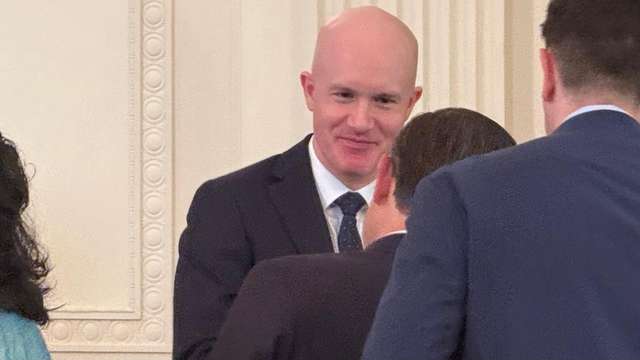
Coinbase CEO Brian Armstrong appears on Capitol Hill in January.
According to individuals familiar with the matter, he told the senator in the voicemail: Once you back down, banks will push further.
Less than two weeks later, just as the bill was nearing a vote, the Coinbase CEO took an action that shocked the entire industry by announcing he would no longer support the early version of the legislation. Before the Senate's crucial vote on January 15, he posted on X: Better no bill at all than a bad one.
The bill, known as the CLARITY Act, survived months of arduous negotiations only to fail in a Senate vote this week. Coming right after the crypto industry tasted the benefits of its growing lobbying clout and President Trump's backing, this defeat marks a major setback.
Blame has flown around. Some crypto executives and lawmakers attribute the failure to Democratic opposition. President Trump's disclosure of his massive crypto asset earnings in June reignited public ethical concerns over presidential business holdings. As 2026 progressed, geopolitical tensions over Iran, inflation, and societal pushback against data centers and out-of-control AI agents squeezed bills like this off legislators' priority lists. Others argued the industry missed the window earlier this year to finalize the legislation.
The CEO of Coinbase, the largest U.S. crypto exchange, found himself at the center of the storm. As the de facto leader of the crypto industry in Washington's political arena, he wielded enormous influence over the bill. Individuals involved in the negotiations say that apart from Trump, almost no one else held equal sway. Between the 2024 election and the September vote, he visited Washington 13 times, and his lobbying team held weekly tactical meetings with various industry players for months on end.
Sources indicate the 43-year-old billionaire effectively holds veto power over provisions he disagrees with and has used it multiple times, significantly complicating an already tangled legislative process. Many within the industry backed his hardline stance.
Ripple CEO Brad Garlinghouse stated: "Things were going well for us in January. But some in the industry ended up shooting themselves in the foot."
Coinbase stated that Armstrong's decision to withdraw support in January was made in consideration of the overall interests of the crypto industry, as his team identified issues across multiple provisions in the bill. Coinbase Chief Policy Officer Faryar Shirzad said in a statement: "We made concessions multiple times to maintain industry alliances and move the legislation forward."
The Power Broker Steps In
Armstrong co-founded Coinbase in 2012 and became a major political fundraiser and donor for the Republican Party in 2024, helping propel crypto enthusiasts into a formidable voting bloc.
After Trump took office, Armstrong quickly assumed the role of lobbying for crypto legislation. His first test was the Genius Act—a regulatory framework for stablecoins. While lobbying Congress on the bill, this Coinbase head cut a distinctive figure: bald, wearing a navy blue suit. The measure ultimately garnered substantial Democratic support, and Trump signed it into law last summer.
This was a major victory for the industry and cemented Armstrong's status as a political kingmaker for crypto. Following this, negotiations for the CLARITY Act began.
The bill can be seen as a companion to the Genius Act, but covers a vastly broader scope, touching numerous subsectors of the crypto industry. During the Biden administration, crypto firms faced regulatory crackdowns and multiple lawsuits. The industry hoped to codify a permanent regulatory framework into law to ensure new products could launch safely and prevent regulators from striking hard again if policy winds shifted. The new legislation would also drive further integration of crypto assets into the mainstream financial system.

Banks viewed the bill as an opportunity to eliminate activities within the crypto ecosystem that they equated to interest-bearing deposit accounts, viewing them as competitive threats. Stablecoin issuers were already barred from paying interest on tokens, but banks also wanted to end partnerships they believed circumvented those bans.
Coinbase is the most prominent example. The company entered into a revenue-sharing agreement with USDC stablecoin issuer Circle, with payouts tied to the amount of USDC held on the exchange. Additionally, Coinbase had previously marketed annualized rewards for USDC up to 3.75%.
Banking lobbying groups argue that arrangements like Coinbase's could trigger massive deposit flight, impair banks' lending capacity, and hamper economic growth.
As CLARITY Act negotiations intensified, Armstrong firmly opposed provisions restricting Coinbase's reward programs. People involved in the talks said that when negotiations stalled, he was highly inflexible, even alienating Senate allies who originally supported the bill.
According to sources, Armstrong would bypass congressional staff entirely, engaging senators directly in sharp-tongued conversations, including those who intended to push the bill through.
The dispute over stablecoin interest payments erupted publicly in January. Participants noted that the initial draft's contents dissatisfied Armstrong and others regarding the bill's trajectory.
Shirzad of Coinbase stated in a declaration that Armstrong maintains good relations with senators from both parties and always communicates respectfully. "This is high-stakes negotiation; disagreements are inevitable, but disagreement does not equal rudeness."
Alsobrooks's spokesperson declined to comment on private conversations but noted she had positive and productive communications with Armstrong and other leaders in digital assets and banking. "Senator Alsobrooks's goal has always been to bring this emerging technology worth billions of dollars under proper regulation."
A 15-Page Compromise Proposal
Shortly after the Senate committee vote shelved the bill, Armstrong accused banks of using depositor funds without permission during a TV appearance, targeting their long-standing lending practices. These remarks angered Wall Street executives. According to The Wall Street Journal, JPMorgan CEO Jamie Dimon confronted Armstrong at the World Economic Forum in late January, accusing him of telling outright lies.
With grudges mounting, negotiations related to stablecoin rewards dragged on for five months. Some in the crypto industry felt they were losing ground on core issues.
In May, Senator Alsobrooks and Republican lawmaker Thom Tillis announced a compromise: instead of directly banning stablecoin rewards, it would force Coinbase to adjust its existing reward programs. Armstrong agreed to the plan, and Coinbase called it a significant concession. But banks felt the compromise fell far short.
Negotiation teams then turned to resolving the remaining pile of unresolved issues. To pass the bill, Republicans needed a handful of Democratic votes. In late June, they pushed to restart bipartisan talks, submitting a 15-page document outlining multiple compromises to Democratic senators on the Senate Agriculture Committee. Sources say Democrats indicated the next day they could accept most proposals.
But Armstrong pushed back. Learning that the Coinbase CEO did not support certain provisions, Republicans were forced to shelve multiple proposals, leaving Democrats bewildered.
Soon after, the political environment for the bill deteriorated further. Trump disclosed that his family's meme coin and crypto ventures generated $1.4 billion in revenue in 2025, marking an unprecedented level of crypto earnings for a sitting U.S. president.
Democrats seized on the disclosure as a key attack vector ahead of the midterm elections. They also highlighted ethical provisions within the CLARITY Act, proposing to ban public officials from holding crypto assets. The provisions applied to Trump and his family, requiring the president and his children to divest their massive crypto holdings.
The Trump Factor
By late summer, the CLARITY Act text exceeded 600 pages. Negotiation participants said lawmakers from both parties were exhausted by the protracted talks and multitude of stakeholders. Banks used the delay to continuously water down bill provisions, with community bankers traveling to Washington to tell lawmakers the legislation was nearly an existential crisis for them.
Meanwhile, staff members in both chambers of Congress expressed frustration with crypto lobbying groups, particularly resenting how Armstrong and his team kept pressing for concessions favorable to Coinbase and the entire industry.
The negotiating atmosphere grew highly tense at one point. Staff for Republican Senator Cynthia Lummis, a primary architect of the bill and one of crypto's most important allies in Congress, declined to meet with a member of Armstrong's lobbying team earlier this year.
Lummis's spokesperson declined to comment on private meetings but noted, "We maintain a good relationship with Coinbase and appreciate their continued efforts toward passing the CLARITY Act."
In August, Trump convened crypto and financial executives like Armstrong at the White House for a meeting streamed online. The president joked during the session before escorting the executives on a tour of the Oval Office. The Senate recessed for its August holiday, postponing the vote on the bill.
Last weekend, Republican senators released an updated version of the bill. The Trump camp made a new concession: a newly added provision requiring the president to place crypto assets into a blind trust. But Democrats remained dissatisfied.
A White House official stated that the Trump administration agreed to the most comprehensive ethical provisions in history.
On Tuesday, the bill failed to secure the 60 votes needed to advance, meeting defeat at a final procedural hurdle. Coinbase stock closed down more than 10%. Just two days later, the industry saw a turning point: the Securities and Exchange Commission approved tokenized stocks for trading in the U.S., and Coinbase shares surged 12% on Friday.
Early Saturday morning, Armstrong posted on X stating that although the bill ultimately failed, the final text represented an improvement over the early drafts. "I'm proud of this effort, and I would do it again because negotiations produced a better bill. This is just one step in a long process."