First Post-IPO Move: SpaceX President Plans to Sell 340,000 Shares, Cashing Out Over $52 Million
By Bu Shuqing, Wallstreetcn
Following its public listing, SpaceX has received its first signal of executive stock reduction. President and Chief Operating Officer Gwynne Shotwell plans to sell over $52 million worth of shares. The timing coincides precisely with the eve of Starship's first orbital insertion test, bringing renewed market divergence regarding the company's high valuation back into the spotlight.
Regulatory filings show that Shotwell intends to sell 342,170 shares, totaling approximately $51.96 million in market value, acquired through cash exercises of stock options. Meanwhile, another financial disclosure reveals that an investment account held in the name of U.S. President Trump executed short-term buys and sells of SpaceX stock in July, further drawing external attention to insider trading.
The SPCX stock price rose by approximately 2% on Tuesday, closing at $154.72, halting a two-day consecutive declining trend.
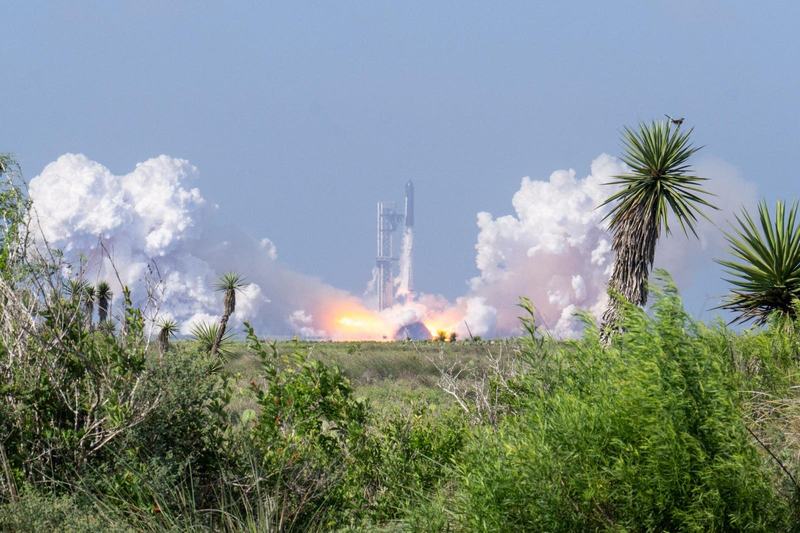
The aforementioned disclosures emerged ahead of the critical window for SpaceX's planned execution of Starship Flight 14. This mission, scheduled no earlier than September 28, will attempt for the first time to send the upper stage into Earth orbit and deploy 26 Starlink V3 satellites. The success or failure of this test will directly impact market expectations for SpaceX's commercialization progress and could potentially affect the stock price.
10b5-1 Plan Safeguards Transaction, Compliance of Reduction Backed by Evidence
Shotwell's share reduction this time was not a last-minute decision.
In its first quarterly report after listing, SpaceX disclosed that she adopted a 10b5-1 trading plan on June 23, covering up to 585,605 shares. The number of shares listed in this sale notice does not exceed the disclosure limit of the plan, and the company also indicated that most of her holdings remain within an extended lock-up period.
The 10b5-1 plan is a compliance tool under the U.S. securities framework that allows corporate insiders to pre-set stock trading arrangements, aiming to isolate transactions from the acquisition of material nonpublic information in time to avoid insider trading allegations. Since the plan was adopted before the Starship test window was finalized, the reduction holds clear legal grounds for compliance.
However, analysts point out that there is a gap between compliance and market perception. Against the backdrop of soaring company valuations and uncertain commercial prospects for Starship, executive share reductions are often interpreted by the market as implicit judgments on short-term stock prices, even when the transactions themselves comply with regulations.
Trump Account Short-Term Trades Raise Conflict of Interest Concerns
In contrast to Shotwell's planned reduction, an investment account held in Trump's name exhibits more controversial short-term trading characteristics. Disclosure documents show the account purchased SpaceX stock worth $15,001 to $50,000 on July 10, followed by a sale of stock worth $1,001 to $15,000 on July 17; prior disclosures also indicate that the account made purchases on June 23.
White House spokesperson Davis Ingles responded to this, stating: "President Trump and any of his family members have no ability to direct, influence, or provide advice on how to invest or the timing of buys and sells in investment portfolios."
Nevertheless, the aforementioned trades have still drawn widespread attention. SpaceX holds significant contracts with NASA and the U.S. Department of Defense. As the highest decision-maker in government, an account held under Trump's name possessing and trading the company's stock inherently carries a perceived risk of potential conflict of interest. For retail investors, the trading behavior of insiders—whether corporate executives or politically connected accounts—is often viewed as a reference signal for judging stock trends, thereby affecting their confidence in holding positions.
Starship Orbital Test: The Crucial Validation Moment for High Valuation
The timing of these reduction disclosures highly overlaps with one of SpaceX's most critical technological milestones.
The company plans to execute Starship Flight 14 no earlier than September 28. The mission objective is to send the upper stage into Earth orbit for the first time, complete six orbits around the planet during a 10-hour flight, subsequently deploy 26 active Starlink V3 satellites, and ultimately splash down the spacecraft in the Pacific Ocean.
This represents the most commercially significant test for Starship to date. SpaceX is gradually shifting its launch business focus from Falcon 9 to Starship. Some commercial clients have found it difficult to book Falcon 9 launch slots post-2028 and are seeking alternatives. The company has begun scaling down Falcon 9 production capacity, but the rocket is expected to remain in service for years, particularly in government missions, to bridge the R&D timeline for Starship.
If this orbital test proceeds successfully, it will provide strong backing to SpaceX's Starship commercialization narrative and support its current high valuation; conversely, if the test encounters major setbacks, it may trigger a market re-evaluation of the company's technological roadmap and profitability timeline, exerting downward pressure on the stock price. Given the already released signals of executive share reductions, the marginal impact of test results on investor sentiment will be further amplified.
High Growth Expectations Coexist with Uncertainties
Since its listing, SpaceX's stock performance has been strongly supported by market expectations regarding its monopolistic position in commercial aerospace and the profit potential of its Starlink business. However, the emergence of executive share reductions has brought market divergences regarding current valuation levels into sharper focus.
Supporters argue that once Starship achieves large-scale commercial operation, it will completely reshape the global launch market landscape, making the current valuation forward-looking and reasonable. Critics point out that Starship has a long R&D cycle and high technical risks, and there are transition period risks between the contraction of Falcon 9 production capacity and the commercialization of Starship. Furthermore, executives choosing to cash in their equity right before critical tests is itself a market signal.
For retail investors, finding the right balance among insider trading signals, technical testing uncertainties, and long-term growth narratives will be the core consideration in position decision-making.