Tether Sparks Scrutiny Over $6 Million Payment to Former White House Advisor’s Affiliate
Author: TechFlow
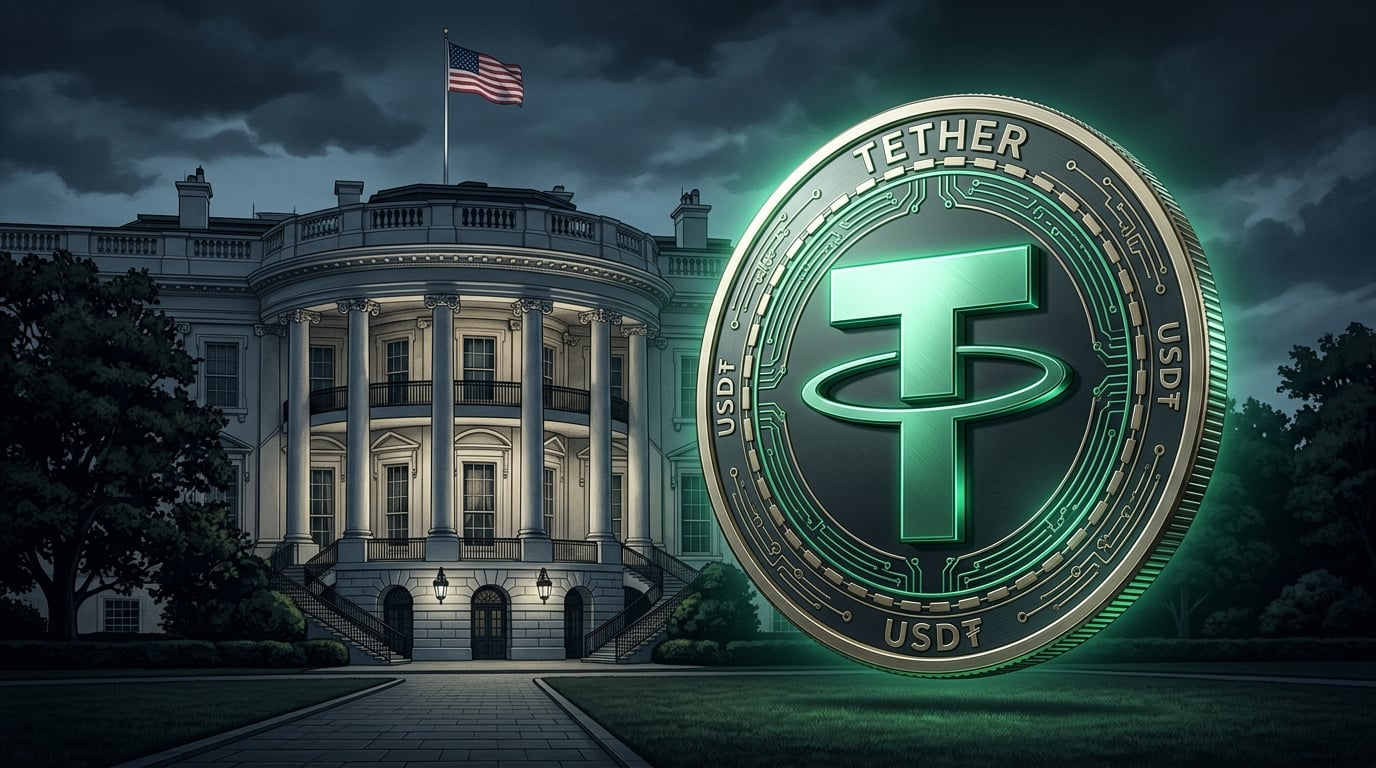
According to an exclusive investigative report by The Wall Street Journal, the world's largest stablecoin issuer, Tether, paid over $6 million to Nxum, a consulting firm co-founded and partially owned by former White House crypto advisor Bo Hines, during key phases of pushing forward crypto legislation. Internal financial records and communication logs show that the funds were ultimately distributed among the three partners of Nxum. Shortly after the legislation was signed into law, Bo Hines left his public office at the White House to become Chief Executive Officer (CEO) of Tether's U.S. stablecoin business, sparking scrutiny and debate in Washington regarding lobbying compliance and the revolving door between government and the crypto industry.
$6 Million in Consulting Fees and Signal Communications: Financial Exchanges During the Legislative Window
Internal documents and bank statements obtained by The Wall Street Journal indicate that the commercial relationship between the Nxum consulting firm and Tether began during a critical window when the U.S. Congress and the White House executive team were intensively negotiating the core provisions of the GENIUS Act (Guiding and Establishing National Innovation for Unique Stablecoins).
During this period, Bo Hines served as a White House crypto advisor, directly involved in policy coordination and driving the provisions of this top-level stablecoin regulatory bill. Although he signed agreements before taking public office stepping back from the daily operational management of Nxum, multiple encrypted communication records indicate that while fulfilling his duties at the White House, Bo Hines maintained high-frequency interactions with the other two partners of Nxum via the encrypted messaging app Signal, discussing legislative progress and policy narratives. During this phase, Tether transferred over $6 million to Nxum, which was then allocated among the three partners on a proportional basis after deducting operating costs.
Law Enacted in July, Resignation in August, New Role in September: A Seamless D.C. Revolving Door
Comparing public official records and timelines reveals a highly compressed temporal correlation between these personnel and business transitions:
In July 2025, the GENIUS Act, which established the federal regulatory compliance framework for stablecoins, was officially voted on by both chambers of Congress and signed into law by the President. The bill provided historically significant legal definitions for compliant stablecoin reserve assets, issuance qualifications, and entry boundaries for non-U.S. dollar-pegged tokens, widely regarded as a cornerstone for reshaping the liquidity landscape of digital assets in the official U.S. Congressional legislative archives.
Just one month after the bill was enacted, in August 2025, Bo Hines formally submitted his resignation and stepped down from the White House advisor office; in September of the same year, Tether officially appointed Bo Hines as the head of its newly established U.S. stablecoin business division. According to regulations on Post-Employment Restrictions within the U.S. Office of Government Ethics conflict-of-interest standards, public officials transitioning directly to specific private entities closely tied to their previous responsibilities immediately after leaving office easily trigger ethical review red lines for public servants.
Licensing Breakthroughs and Compliance Scrutiny: The Giant's Domestic Strategic Moves in the U.S.
For years, although Tether's USDT has accounted for nearly 70% of the global stablecoin market share, it has consistently faced strict scrutiny from federal regulators in the United States regarding look-through reserve disclosure and overseas compliance. Following the implementation of the GENIUS Act in 2025, establishing a compliant U.S. entity has become a core strategic imperative for leading issuers.
Tether's official spokesperson stated in a written response to the investigative report that its commercial partnership with Nxum falls under routine professional consulting procurement, with relevant funds used to acquire market strategy and business architecture planning services. Any interactions involving Bo Hines followed established compliance review procedures, emphasizing the independent operation of its U.S. business in an official Tether public statement. Regarding details on fund allocation and internal communications, some members of the U.S. Senate Banking Committee have requested the White House Office of Ethics Oversight provide files related to conflict-of-interest declarations for this case, with formal hearings scheduled to commence on November 3 (Beijing Time) upon the U.S. congressional return from recess.
Join TechFlow official community to stay tuned
Telegram:https://t.me/TechFlowDaily
X (Twitter):https://x.com/TechFlowPost
X (Twitter) EN:https://x.com/BlockFlow_News
 深潮TechFlow