Republican lawmakers step up efforts; could the Clarity Act pass next week?
By Mathew Di Salvo, Bitcoin Magazine
Translated by AididiaoJP, Foreisght News
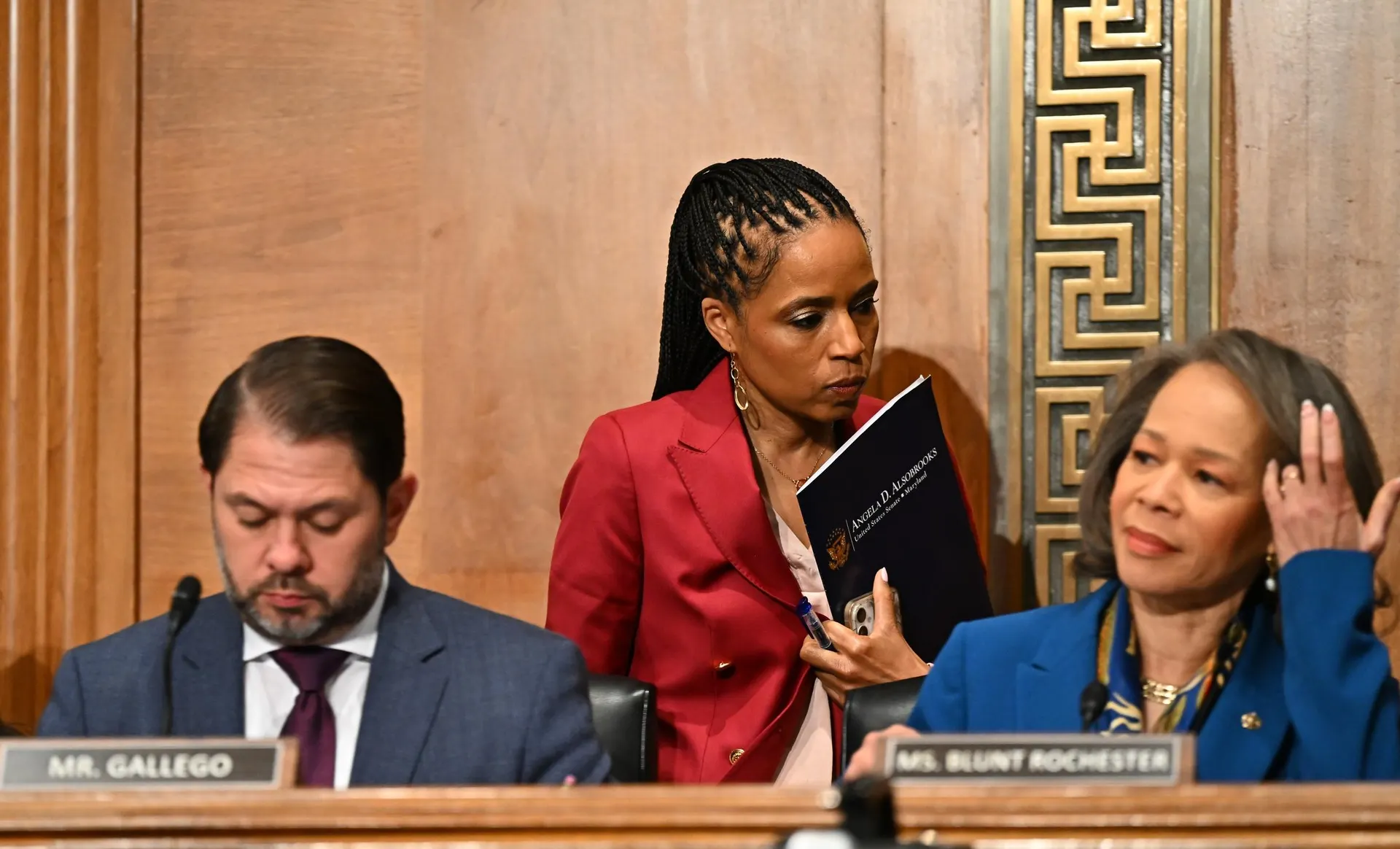
Pro-crypto Republican Senator Cynthia Lummis has once again turned her fire on Democrats. Her target remains the long-dragged-out crypto market structure bill: the Clarity Act.
She hasn't ruled anything out. The bill could still pass, provided Democrats make another concession.
On Tuesday, Lummis responded on X to a Semafor report. The report quoted several Republican senators predicting that the bill will likely not pass after the Senate reconvenes next week. Lawmakers had hoped to cast a crucial vote before a five-week August recess, but that was pushed back. The Senate has now scheduled a procedural cloture vote on the Clarity Act for next week. Passing this hurdle would open the floor for substantive debate; failing it would essentially scatter the legislative schedule.
Bitcoin Magazine quoted Lummis with a sterner warning: if it doesn’t pass next week, “we will not have another realistic opportunity before this decade ends.”
Looking at the legislative calendar, there’s no hope for a second round during this session. With midterm elections approaching, attention will shift to campaign trails. For a lengthy, contentious bill like crypto market structure—one watched by both banking and crypto circles—missing this window risks dragging through committees and procedural hurdles for years.
Lummis Clearly Attributes Potential Failure to Democrats
In her post, she wrote: “If this bill fails, it won’t be due to ethics concerns, but because Democrats failed to embrace a bipartisan bill alongside Republicans—one that protects consumers, solidifies U.S. leadership in digital assets, and empowers law enforcement to combat illicit finance.”
She noted that Democrats are still “demanding revisions,” which could allow future regulators to “strangle the crypto industry.”
“If these divisions can be bridged, I am confident we will pass Clarity. But it requires further compromise from Democrats, not the White House.”
This isn’t the first time she has shifted blame to the other side. Earlier this summer, she stated that if Clarity dies, Democrats killed it. Along with other pro-crypto lawmakers, she has repeatedly called out those she believes are intentionally delaying the legislation. Late in July, she was even more blunt on a podcast: starting from last Labor Day, she worked with Democrats to revise the draft, which grew from roughly 300 pages to nearly 700, with most additions demanded by Democrats. Constant tweaking and last-minute clause stuffing are “absurd, and I’m tired of being played.”
In early August, she told Fox Business that she negotiated overnight with Democrats, noting that the President had already accepted an “ethics provision no president has ever agreed to,” yet Democrats wanted more. “We will take a vote. If it dies, Democrats killed it. For eleven years, I’ve given them every regulatory concession I could.” The “eleven years” refers to her own personal timeline; intensive drafting negotiations with Democrats have occurred over the past eleven months.
The Bill Essentially Carves Out Three Regulatory Territories
What the Clarity Act aims to do sounds like regulatory technicalities, but its implementation will determine whether U.S. crypto companies can keep their headquarters domestic. It draws boundaries for digital assets: defining which count as securities falling under the Securities and Exchange Commission; which count as commodities overseen by the Commodity Futures Trading Commission; and treating stablecoins as a separate category. The House passed it last July. The Senate has been stalled on it for a year—not because no one is talking, but because two key areas remain unresolved.
The first area involves stablecoin yields. Banking lobbying groups oppose allowing crypto firms to pay interest or similar returns to customers on stablecoin balances, fearing bank deposit flight. Crypto firms view this as core to their product: why can’t users earn returns when they hold cash in on-chain USD? Both sides have clashed for a long time over “whether payment stablecoins can yield returns for customers,” making it one of the primary reasons for delay this year.
The second area is ethics. A new draft circulated starting in July would prohibit government officials from promoting cryptocurrency or profiting from it. Democrats have consistently highlighted the Trump family’s involvement in crypto business, arguing that the industry shouldn’t receive legislation until conflicts of interest are explicitly outlawed. On the Republican side, the argument is that ethics provisions have already been added, including requirements for public officials to liquidate digital assets or place them in blind trusts; continuing to modify them would ensure that what gets written into law isn’t conflict-of-interest prevention, but rather leaves future regulators with a tool to strangle the industry.
Despite the ethics revisions, a faction of Democrats argues the draft is insufficient and demands amendments. There’s also a layer of internal party political calculus: running election campaigns attacking Trump for profiting from crypto while simultaneously sitting down to regulate the industry creates conflicting narratives. Reports have noted that some Democrats fear reaching a deal on Clarity would undermine their ammunition regarding Trump’s conflicts of interest.
The White House is pushing for passage. In August, Donald Trump stated that for the U.S. to remain the “indisputable leader in Bitcoin and crypto,” it must pass this “very, very strong legislation.” His goal is to keep the U.S. at the center of the digital asset landscape, preventing companies, talent, and public listings from migrating again to Singapore, Switzerland, or other jurisdictions with clearer regulations. Lummis draws the responsibility line clearly: what’s lacking isn’t further concessions from the White House, but from Democrats.
The leaks from Semafor’s Republican colleagues predicting the bill’s demise and Lummis publicly declaring “it can still pass” are not contradictory. One prepares the ground for failure; the other piles pressure on the opposing side’s negotiating table. The cloture threshold requires more votes than a simple majority. Without enough Democrats joining in, Republicans cannot muster the numbers alone.
For the industry, the cost of Clarity’s delay is already highly tangible. Companies don’t know if tokens issued will be retroactively classified as securities; stablecoin products hesitate to embed yields in user terms; exchanges and custodians bounce between two regulatory regimes. Every delay cycle fuels another wave of migration to “secure licenses overseas first.” By invoking the ten-year window, Lummis is signaling that the next alignment of political forces won’t arrive soon.
If Democrats insist on further revisions, their stated reasons are clear: consumer protection, preventing officials from getting rich off crypto, and equipping law enforcement with real teeth. Lummis acknowledges these points are already embedded in the bipartisan text, but she refuses to grant regulators additional discretion that could “kill the industry.”
The timeline is now extremely tight. If a vote isn’t cast before the recess, next week’s procedural vote becomes the next gate. Whether it opens depends not on issuing more principle statements, but on whether enough Democrats are willing to sign off on the current text. Lummis lays out the failure scenario plainly: it won’t fail because ethics weren’t negotiated, but because the other side refuses to board.
Join TechFlow official community to stay tuned
Telegram:https://t.me/TechFlowDaily
X (Twitter):https://x.com/TechFlowPost
X (Twitter) EN:https://x.com/BlockFlow_News
 @BitcoinMagazine