Sky-High Crypto Ghost Ship: He Aims to Seize 3.8 Million Dormant Bitcoins Using "Lost and Found," US Congress Urgently Pushes CLARITY Act to Counter
TechFlow Selected TechFlow Selected
Sky-High Crypto Ghost Ship: He Aims to Seize 3.8 Million Dormant Bitcoins Using "Lost and Found," US Congress Urgently Pushes CLARITY Act to Counter
This lawsuit is testing a terrifying legal loophole: if your cold wallet is left for too long, will it be snatched away by others using "lost property law"?
 Navigating Web3 tides with focused insights
Author: CryptoSlate
Compiled by: TechFlow
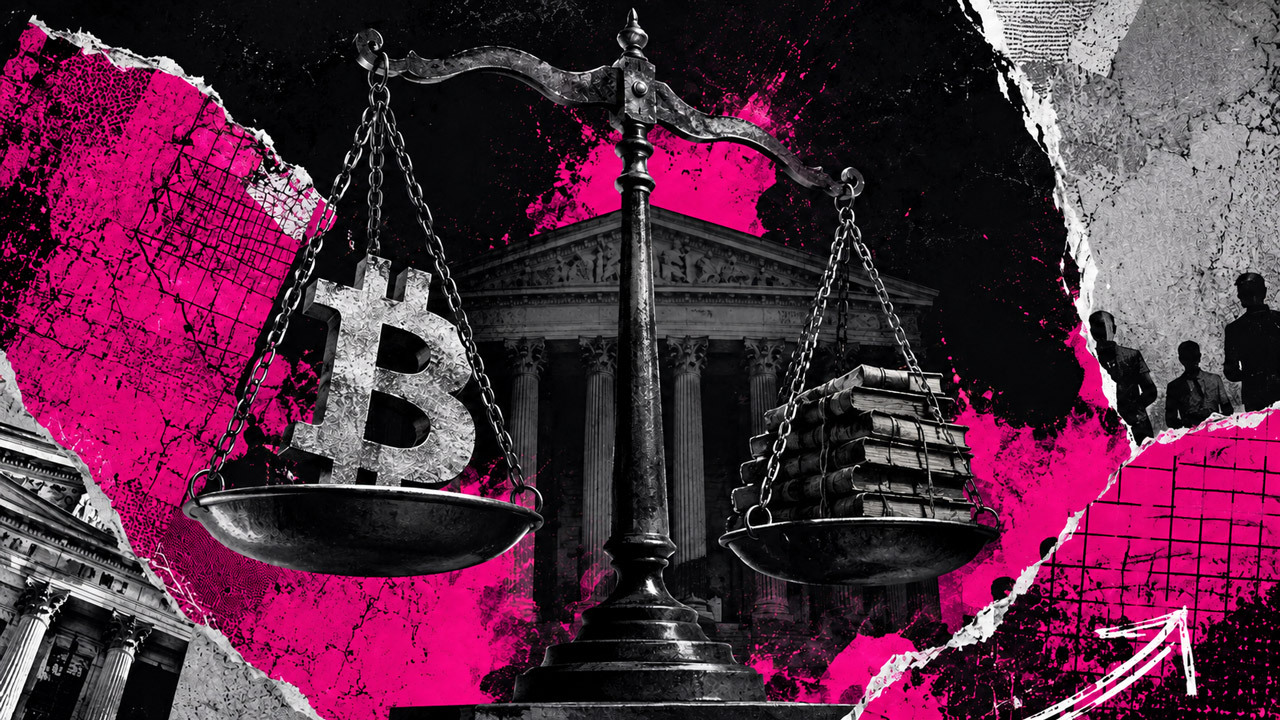
TechFlow Editor's Note: A person named Noah Doe is using New York State "police lost and found" laws to attempt to claim 3.8 million never-moved Bitcoins (worth about $200 billion, 18% of total Bitcoin supply) for himself—on the grounds that "the wallet has been dormant for years and unclaimed." The U.S. Congress urgently added a clause to the CLARITY Act: as long as you hold the private key yourself, an inactive wallet does not equal abandonment of ownership. This lawsuit is testing a terrifying legal loophole: If your cold wallet sits for too long, can someone else seize it using "lost property laws"?
Section 20216 of the latest draft of the CLARITY Act stipulates: Self-custody digital assets will not become abandoned property, unclaimed property, or confiscated property, nor will ownership or finder's rights be acquired by others due to long-term wallet inactivity or the holder failing to demonstrate continued interest.
This provision overturns state and local laws that use "years of wallet inactivity" as grounds for transferring ownership.
Senate drafts from May 8 and May 20 only protected the right to hold self-custody wallets, while the July 22 version expanded the scope into property law, covering whether the holder still owns the coins inside after the wallet has been dormant for years.
This clause defines self-custody digital assets as: Assets where the owner exclusively controls the private key, without relying on custodians, exchanges, or intermediaries.
This definition draws the line upon which the remaining clauses rely.
From Wallet Access Rights to Property Ownership
Courts must draw a line between two types of digital assets: Coins directly controlled by an individual via private key, and coins held at exchanges, brokers, or custodians. Federal protection under the new CLARITY Act draft applies to the first category.
State unclaimed property rules continue to govern the second category, as the draft explicitly retains these rules for custodial assets. Recent state amendments have treated exchanges, custodians, and custodial wallet providers as a distinct category of assets potentially belonging to missing owners.
A wallet holding its own private key and an exchange account holding Bitcoin of equivalent USD value will fall on opposite sides of this line.
In the case of exchanges, the custodian controls the private key, so the state dormancy, reporting, and delivery rules for that custodian continue to apply as usual.
The Case Making This Provision Urgent
New York State's own lost property law shows why this provision now has real teeth. Section 7-B of the state's "Personal Property Law" covers property lost by someone and later turned over to the police.
Section 257 allows ownership to be vested in the finder under specific conditions, including for property under $10, after a one-year failure to locate the owner.
Noah Doe and two companies are using this framework to claim ownership of 39,069 dormant Bitcoin addresses, which hold approximately 3.799 million BTC, close to 18% of Bitcoin's total supply. Their filings point to OP_RETURN notification activities, press releases, and claim windows as evidence that these coins count as unclaimed lost property.
This theory relies heavily on the wallet's silence, coins remaining unmoved for years, and no owner coming forward to contest the claim, and Section 20216 targets precisely this mechanism. Claimants can no longer use years of inactivity or lack of communication as a basis for acquiring ownership under state abandoned property laws.
Noah Doe's plaintiffs also cited police reports, OP_RETURN notifications, and their attempts to contact potential owners. This evidence goes beyond pure dormancy and may allow them to argue their claim is not based solely on silence, even if CLARITY becomes law.
This clause closes the legal loophole their case is testing, but will not resolve the lawsuit itself, as courts must still weigh whether this additional evidence changes the analysis.
What Happens Next to This Provision
In an optimistic scenario, Section 20216 survives Senate negotiations, its preemption language remains intact, and courts interpret the phrase "solely due to inactivity" narrowly enough to give self-custody real protection.
Dormancy-based theories like those behind Noah Doe become harder to construct, as claimants need evidence beyond years of silence to make progress. Holding one's own private key gains legal backing that self-custody advocates never truly had before.
In a pessimistic scenario, Senate negotiators strip or soften Section 20216 before the final vote, and the surviving language leaves room for courts to weigh inactivity alongside other factors when deciding claims.
Experiments with state laws regarding dormant wallets remain possible, and future claimants can still construct Noah Doe-like theories around prolonged silence plus notification activities.
Self-custody retains its protection as an activity; holding one's own private key remains legal, but ownership during years of inactivity remains an open question courts must resolve on a case-by-case basis.
Section 20216 removes the simplest argument claimants can make against silent Bitcoin addresses: that nothing happening for years equals abandonment itself. Whether this is sufficient depends on what survives Senate negotiations and what judges ultimately decide silence itself can prove.
Join TechFlow official community to stay tuned
Telegram:https://t.me/TechFlowDaily
X (Twitter):https://x.com/TechFlowPost
X (Twitter) EN:https://x.com/BlockFlow_News
 @CryptoSlate