New US Bill Prohibits President and Congress Members from Issuing or Holding Tokens; Trump Family Must Also Liquidate Holdings
TechFlow Selected TechFlow Selected
New US Bill Prohibits President and Congress Members from Issuing or Holding Tokens; Trump Family Must Also Liquidate Holdings
This is a key step for the United States to establish a nationwide crypto regulatory framework.
 Navigating Web3 tides with focused insights
Author: CryptoSlate
Compiled by: TechFlow
TechFlow Editor's Note: The updated CLARITY Act by Senate Republicans will prohibit the president, legislators, and other high-ranking federal officials from issuing or holding cryptocurrency, with the Trump family's crypto business also within the scope of restrictions. This is a key step for the US to establish a national crypto regulatory framework, but the bill still needs Democratic support to pass the Senate's 60-vote threshold, with official conflict of interest clauses becoming the biggest point of contention.
On July 22, US Senate Republicans released an updated version of the CLARITY Act, bringing this one of Washington's most important cryptocurrency bills back towards a possible floor vote.
The updated text, after weeks of negotiation, aims to establish a broad federal market structure framework for digital assets in the US.
The proposal addresses several controversies hindering its progress in Congress, including ethical restrictions on federal officials, stablecoin rewards, and regulatory treatment of crypto developers and intermediaries.
Senator Cynthia Lummis said regarding the legislation: "I want to thank my Democratic colleagues for their important contributions to this draft and express my commitment to reaching an agreement in the coming days to make this legislation law. Policies for consumer protection and supporting innovation are not opposed—this bill proves that."
Asset management company Grayscale also stated that the bill will unlock the next wave of adoption for this emerging industry.
Republicans expect to need Democratic votes to reach the 60-vote threshold required to overcome procedural obstacles in the Senate.
CLARITY Act Prohibits Federal Officials from Issuing Digital Assets
The revised legislation will impose a new set of restrictions on the cryptocurrency activities of the president, legislators, and other senior federal officials, addressing a conflict of interest issue that has become one of the biggest obstacles to Democratic support for the CLARITY Act.
According to the proposal, the president, vice president, members of Congress, federal judges, and other covered officials will be prohibited from issuing or sponsoring cryptocurrency and other digital assets for compensation during their tenure. Their spouses will also be subject to restrictions.
The legislation will further require covered officials to dispose of cryptocurrency and digital asset investments they already hold. They must sell affected holdings, place them into a blind trust they cannot control, or use a combination of both methods.
Cryptocurrency sales exceeding $1,000 must also be disclosed, adding digital asset transactions to the financial activities of officials subject to stricter scrutiny during their government service.
The proposal will direct the Government Accountability Office to study whether there are still additional loopholes in federal ethics rules governing cryptocurrency and suggest further changes if necessary.
These restrictions respond to months of pressure from Senate Democrats, who argue that Congress should not establish new rules for the cryptocurrency industry without simultaneously addressing the ability of the president, legislators, and other officials to profit from businesses that may benefit from these policies.
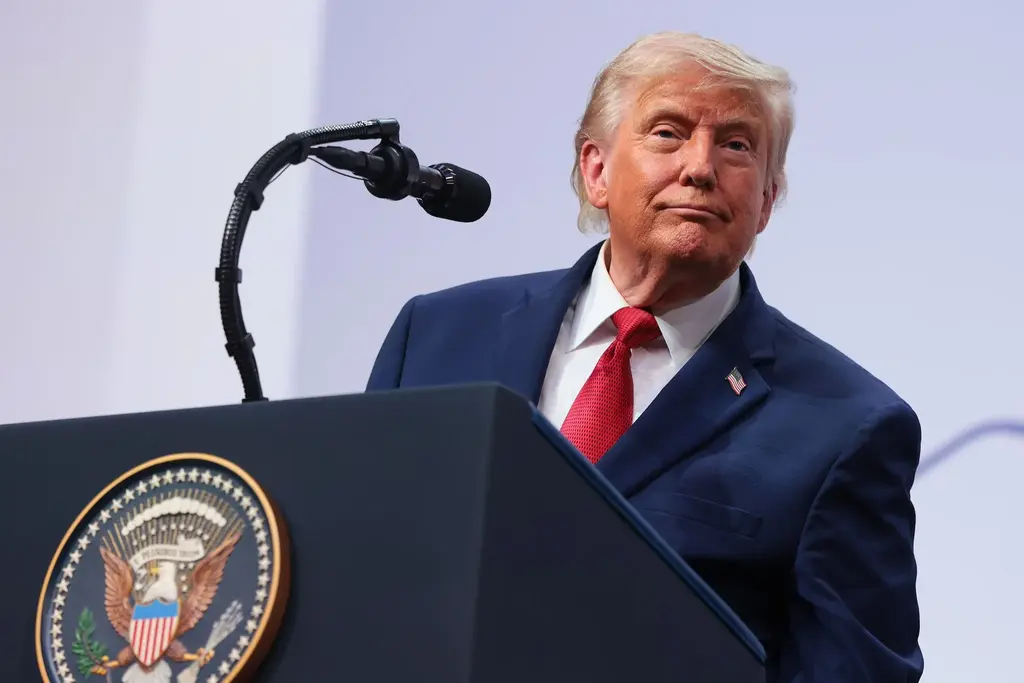
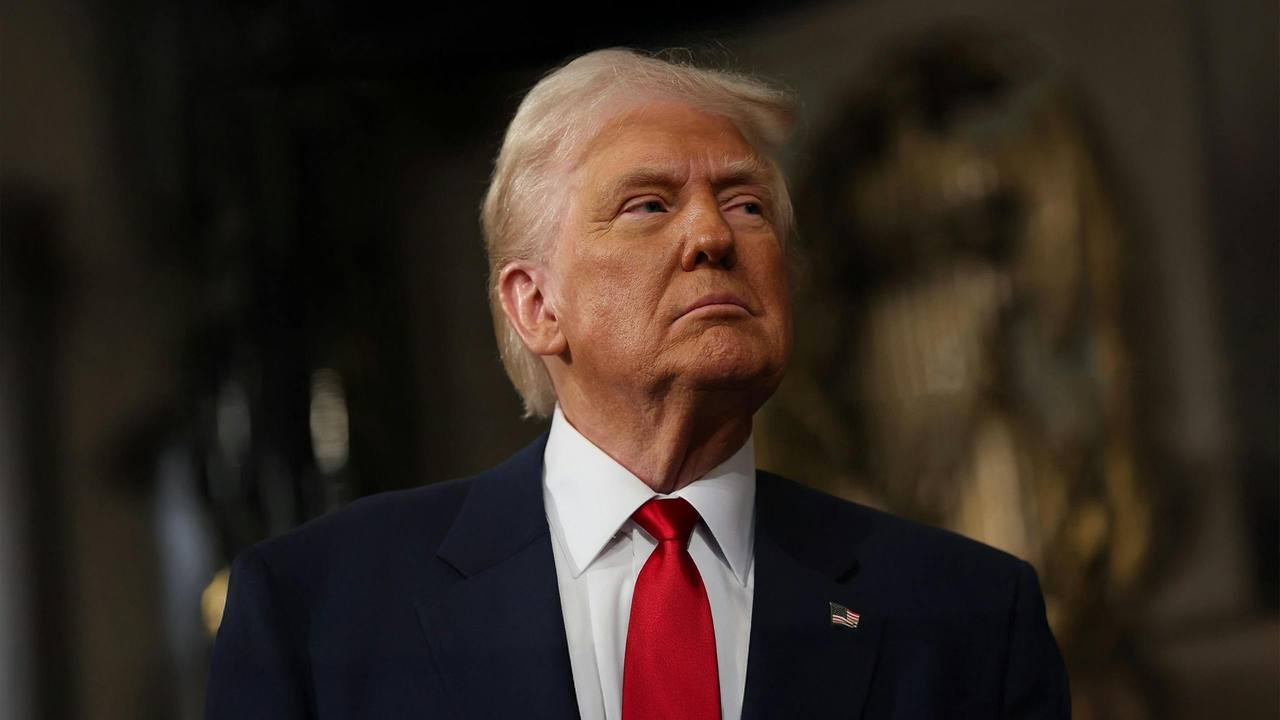
Much of this pressure has focused on President Trump and his family's growing involvement in digital assets.
Massachusetts Senator Elizabeth Warren, the senior Democratic member of the Senate Banking Committee, repeatedly cited Trump's crypto businesses when calling for stronger conflict of interest clauses.
These concerns persisted after the Banking Committee advanced CLARITY with a 15-9 vote in May. The committee version moved forward without the ethical protections requested by Warren and several other Democrats, leaving this issue to be resolved before the legislation can gain broader support across the Senate.
Trump's acceptance of the Republican proposal this week eliminated a source of uncertainty surrounding the negotiations, establishing the restrictions the White House is prepared to accept.
However, this language is unlikely to be final. Democrats have not yet signed off on the current wording and have expressed concerns about designating the Department of Justice as the primary enforcement agency without providing a role for state attorneys general.
Further negotiations on the ethics section are expected as Republicans seek the Democratic votes needed to advance the broader CLARITY Act.
Developer Protections Retained, Crime Provisions Expanded
While lawmakers adopted stricter rules for public officials, the revised draft also retained protections for software developers, sparking another struggle between crypto advocates and some enforcement groups.
The Blockchain Regulatory Certainty Act framework generally protects developers and infrastructure providers from being classified as money transmitters simply because they write software or maintain decentralized networks, provided they do not control users' assets.
This protection has become a significant issue for DeFi developers, who argue that writing software without custoding customer funds should not trigger the same regulatory obligations imposed on financial intermediaries.
The draft retains limitations on this protection for those who knowingly facilitate illegal transactions, preserving a pathway for prosecutors to pursue criminal conduct rather than extending a blanket exemption to activities involving decentralized technology.
Republicans paired these protections with a new package aimed at responding to enforcement concerns regarding crypto crime.
The draft will provide additional resources for state and local investigations involving digital assets and expand access to blockchain analysis tools.
It will also establish training programs for investigators and prosecutors and create a cyber-focused center to address threats related to foreign actors (including North Korea and Iran).
A public-private joint task force will coordinate government and industry responses to cryptocurrency fraud, while stablecoin issuers will face requirements to comply with valid government orders, including actions such as freezing or seizing assets.
These changes build on the earlier Banking Committee version, which already subjected digital asset brokers, dealers, and exchanges to Bank Secrecy Act requirements and included safeguards for developers who do not control customer funds.
This combination reflects a core balancing act in Senate negotiations: protecting peer-to-peer software development while ensuring these protections do not hinder investigations into money laundering, sanctions evasion, and other crimes.
Stablecoin Compromise Avoids Another Reopening
Another controversy that threatened CLARITY earlier this year has been largely resolved in the new draft, reducing the number of issues negotiators must re-negotiate before a floor vote.
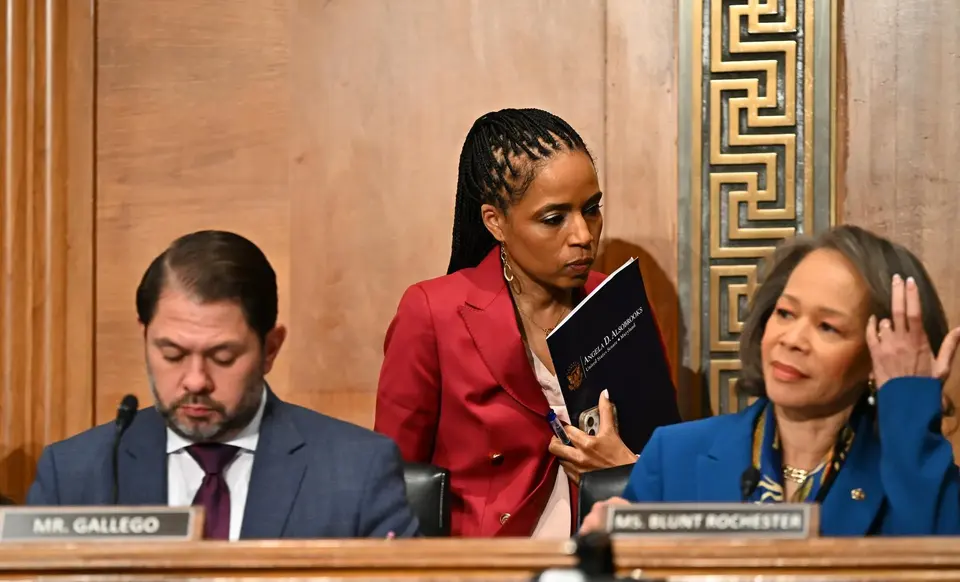
The stablecoin section retains the compromise negotiated by North Carolina Republican Senator Thom Tillis and Maryland Democratic Senator Angela Alsobrooks.
Companies will be prohibited from paying interest simply because customers leave paying stablecoins in accounts. Rewards related to qualified activities, including transactions and certain other token uses, can continue as long as they do not operate like interest paid on traditional bank deposits.
This distinction emerged after banks warned that allowing stablecoin providers to offer deposit-like yields could drain funds from insured bank accounts, while crypto companies argued that a broad ban could eliminate loyalty programs and other activity-based incentives.
Meanwhile, the updated legislation also retains bankruptcy protections aimed at clarifying what happens to customers' digital assets when an exchange or custodian fails.
Protected customer assets will remain customer property, rather than automatically becoming part of the bankrupt company's estate available to creditors. This distinction became a significant issue after failures like Celsius and FTX exposed how differently customer claims could be treated based on custodial arrangements and contract terms.
These clauses address asset ownership and creditor treatment during bankruptcy, rather than preventing fraud, liquidity issues, or management failures that could lead to crypto company collapses.
What's Next for the CLARITY Act?
The revised text now moves the CLARITY Act into another round of negotiations, where lawmakers still need to resolve disagreements regarding ethics and other clauses before Senate leaders can assess whether there is sufficient support for a floor vote.
The calendar adds pressure to these negotiations. The Senate plans to begin its August state work period on August 10, leaving negotiators less than three weeks to resolve unresolved issues, complete necessary procedural steps, and secure floor time.
As of press time, no Senate vote on CLARITY has been scheduled.
Even if the bill passes the Senate, it will still face another legislative hurdle before reaching the White House.
The Senate has significantly revised the version passed by the House of Representatives, meaning the two chambers need to reconcile their differences and approve identical language before the legislation can be sent to President Trump.
The Federal Market Structure Act assigns digital asset regulatory responsibilities to the SEC and CFTC, sets intermediary rules, involves self-custody and Bank Secrecy Act (BSA) coverage, and adds anti-CBDC clauses. As of June 3, 2026, the bill is awaiting a Senate floor vote.
Join TechFlow official community to stay tuned
Telegram:https://t.me/TechFlowDaily
X (Twitter):https://x.com/TechFlowPost
X (Twitter) EN:https://x.com/BlockFlow_News
 @CryptoSlate