Bloomberg: Predicting markets is gambling—Congress should step in
TechFlow Selected TechFlow Selected
Bloomberg: Predicting markets is gambling—Congress should step in
Congress should proactively intervene rather than wait for years of litigation to drag on, leaving a large number of users with total losses in the meantime.
 Navigating Web3 tides with focused insights
By: The Editorial Board, Bloomberg Opinion
Translated by: TechFlow
TechFlow Summary: In a rare move, the Bloomberg Editorial Board explicitly named Kalshi and Polymarket, labeling them “regulation-dodging gambling companies”—90% of their revenue comes from sports betting, their minimum user age is three years lower than that required at licensed casinos, and insider trading may be occurring.
With prediction markets now surpassing $10 billion in monthly trading volume—and Nasdaq itself entering the space—this editorial signals regulatory pressure that merits serious attention.
Full Text:
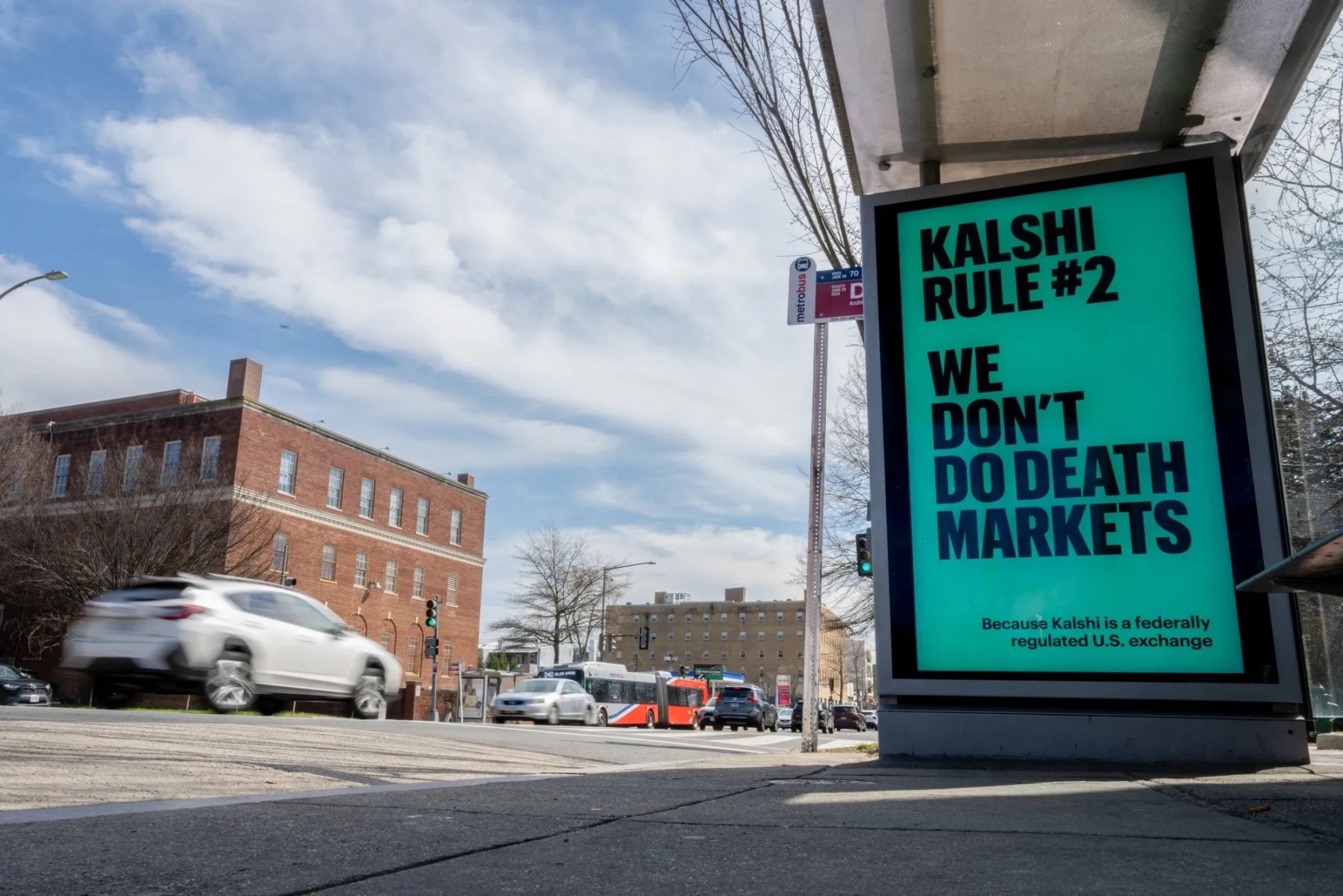
There’s an old saying about ducks: If it looks like a duck, swims like a duck, and quacks like a duck, then it probably is a duck. U.S. regulators are currently ignoring this principle—they’re accepting the claim by certain betting operators that “we’re not gambling companies; we’re prediction markets.” Congress should intervene before this charade causes further harm.
Over the past year, platforms such as Kalshi and Polymarket have thrived, allowing users to bet on sports outcomes, political developments, and other events. These platforms prefer euphemistic language: They’re not “betting brokers,” but “prediction markets”; placing money on a soccer match isn’t “betting”—it’s trading an “event contract.”
This is more than a semantic dispute—it reflects real regulatory arbitrage.
Traditional sports-betting firms like FanDuel and DraftKings must obtain licenses state-by-state and comply with age restrictions, geographic limitations, and responsible-gambling safeguards. By contrast, prediction-market platforms claim their products fall under the federal Commodity Exchange Act (CEA) and thus lie outside the scope of such state-level rules. They register with the Commodity Futures Trading Commission (CFTC) and seek regulatory approval for their betting operations.
The CFTC has shown willingness to accommodate—last month, it withdrew a proposed rule that would have banned sports- and politics-related contracts. Several states have already filed lawsuits to defend their authority over gambling regulation, and the question of who ultimately governs these firms may well land before the Supreme Court. But the underlying facts are clear.
First, these firms engage in sports betting and other wagering activities—activities with virtually nothing in common with traditional commodity-market trading.
Second, they enjoy significant advantages over competitors complying with state law. Roughly 90% of Kalshi’s fee revenue comes from sports events. Meanwhile, traditional sports-betting firms’ stock prices have been severely battered.
Third, Kalshi and Polymarket open their markets to users aged 18 and older, while most states set the legal minimum at 21. This exposes young users to risks including debt, financial instability, addiction, and criminal behavior. Some apps are even seeking permission to offer margin trading (i.e., credit-based trading), which could worsen the problem.
Fourth, Kalshi has partnered with Robinhood—blurring the line between broker and bookmaker—a development that could prove catastrophic for numerous investment accounts.
Beyond these concerns lies the risk of corruption. Shortly before Iran’s Supreme Leader Ayatollah Ali Khamenei was reportedly killed in an Israeli airstrike on February 28, accounts on Polymarket heavily purchased contracts tied to “his imminent loss of power”—suggesting some traders may have possessed insider information. Total trading volume related to that airstrike exceeded $500 million.
When Congress enacted the Commodity Exchange Act in 1936, it clearly did not anticipate that the law would spawn massive, nationwide gambling enterprises—or create public-affairs prediction markets so easily manipulated. Congress should act proactively rather than wait for years of litigation to drag on while countless users lose everything.
As a starting point, Congress should amend the CEA to clearly define “event contracts”—distinguishing those with legitimate market logic from purely gambling-oriented contracts (e.g., sports bets)—and restrict betting on political events; ensure prediction markets operate under clear, codified rules rather than subject to the CFTC’s ad hoc discretion; and adopt baseline consumer-protection standards for all gambling operators, modeled on the SAFE Betting Act, while preserving states’ authority to impose stricter requirements.
Ideally, lawmakers might also use this opportunity to reassess America’s smartphone-era experiment with “gambling everywhere, anytime”—an experiment already contributing to rising debt, delinquency, and broader social harms. For now, simply imposing order and commonsense limits on these unregulated markets would represent meaningful progress.
Join TechFlow official community to stay tuned
Telegram:https://t.me/TechFlowDaily
X (Twitter):https://x.com/TechFlowPost
X (Twitter) EN:https://x.com/BlockFlow_News
 @Bloomberg