The 'Whale' Whose Ledger Was Stolen Turns Out to Be a Fake-Trading Scammer: Lost Over 60 BTC
Author: TechFlow
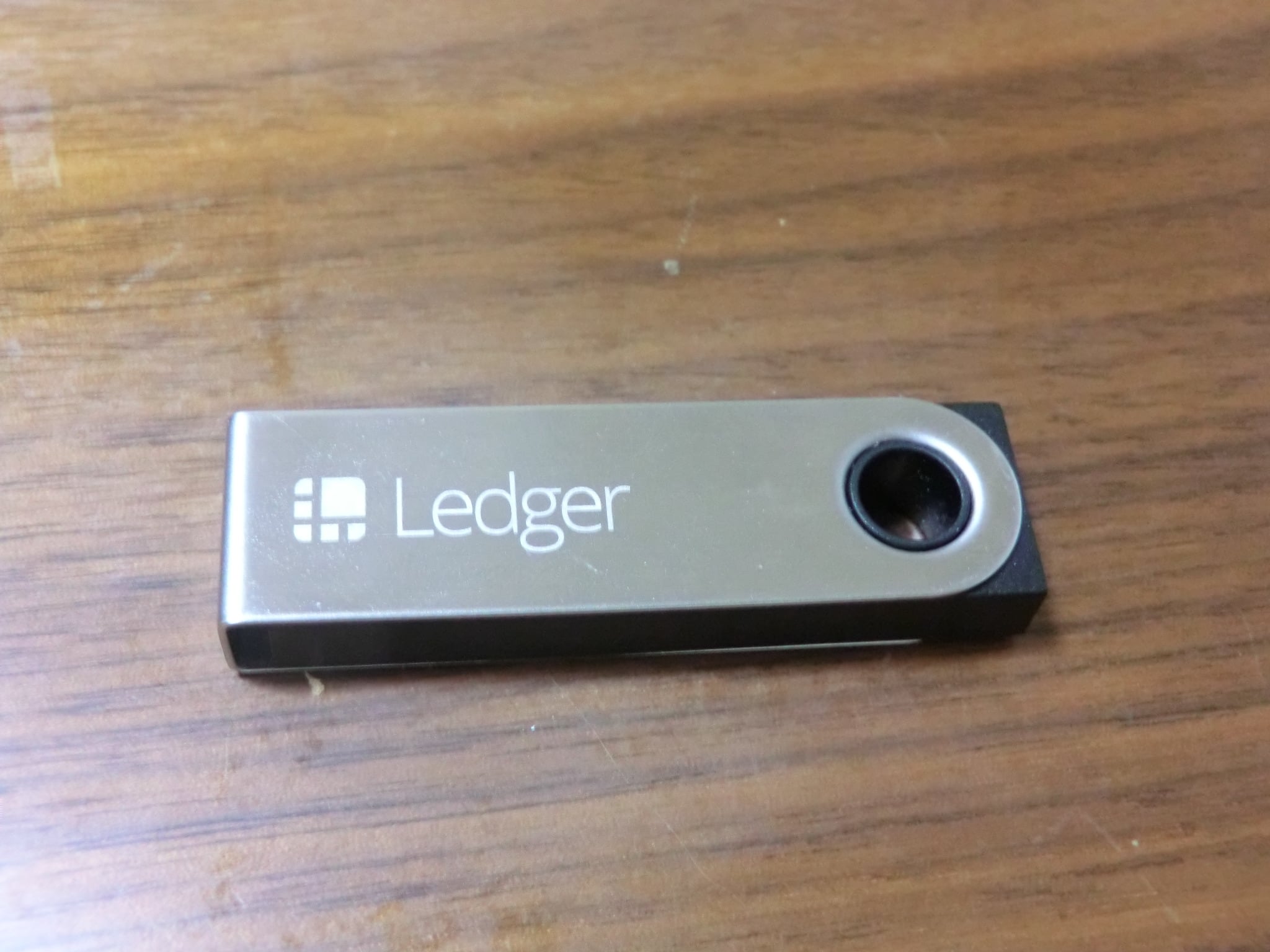
According to the original post from Chainalysis's official on-chain investigation, one of the most heavily impacted addresses in the previous security breach targeting Ledger, a hardware wallet vendor, did not belong to a compliant crypto investor. Instead, its true identity belonged to an organized telecom fraud syndicate that had long been operating online "brushing task" schemes. Through a series of interconnected tactics—including luring victims into fabricating fake transactions and positive reviews for specific e-commerce products, and subsequently deceiving them into topping up accounts due to alleged negative balances—the syndicate illicitly siphoned over 60 bitcoins (equivalent to approximately $4.8 million at the prevailing market price).
Fictitious Sales and Top-up Traps: The $4.8 Million Illicit Fund Chain
The funding source tracked by Chainalysis indicates that these involved assets originated from typical employment-based brushing telecom fraud.
The fraud syndicate widely deployed high-commission part-time job advertisements across social media and instant messaging apps. Initially, they established victim trust through small commission rebates, enticing victims to continuously advance funds to boost sales volumes and leave positive reviews for designated merchants. As the advanced funds accumulated, the fraudulent platform manipulated settlement data in the backend, triggering fabricated alerts regarding "account violations or negative balances." This forced victims to make further large top-ups to unfreeze their principal. Through multi-layer automated settlement channels, the scammers rapidly converted the defrauded fiat currency into over 60 bitcoins to launder the bank transfer trails.
September Diversion and October Raid: The On-Chain Trajectory of Hacker-on-Hacker Theft
After consolidating the funds, the perpetrators attempted to bypass risk control detection by centralized institutions using cold storage devices:
On-chain ledger data clearly recorded the complete circulation process. On September 22, 2025, the fraud syndicate distributed these illicit proceeds into three independent Ledger hardware wallet custody addresses. Due to an unrepaired supply chain injection backdoor in the external codebase relied upon by the hardware wallet's underlying software, hackers exploited a permission vulnerability on October 9. Using a single automated signature instruction, they instantly drained all Bitcoin assets from the three dispersed addresses, funneling a total of 60.3 BTC into a hacker-controlled address widely flagged by security firms. According to on-chain block explorer transaction records, this transfer required only 1 block confirmation, resulting in a one-way looting of the illicit funds.
Cold Wallets Are Not Absolute Safe Zones, and Legal Dilemmas Arise in Recovering Stolen Funds
This hacker-on-hacker case reveals practical challenges stemming from fractured defense layers within the crypto security ecosystem.
While hardware devices can physically isolate private keys from internet exposure, if users install tampered client firmware or malicious connection protocols, the protective efficacy of physical cold isolation will be directly nullified. To address supply chain vulnerabilities, users must regularly visit the Ledger Official Security Announcement Center to verify firmware hash signatures. From a legal perspective, the fraud syndicate, as the upstream criminal entity, forfeits its right to legitimate claims. Meanwhile, the batch of bitcoin assets looted into mixing pools has been placed on the secondary case-monitoring list by the global judicial cooperation network. Tracking and assistance procedures are scheduled to launch cross-border law enforcement data mutual recognition at 10:00 AM Beijing Time on October 28.
Join TechFlow official community to stay tuned
Telegram:https://t.me/TechFlowDaily
X (Twitter):https://x.com/TechFlowPost
X (Twitter) EN:https://x.com/BlockFlow_News
 深潮TechFlow