Clarity Hits a Roadblock: On-Chain Trading May Accelerate, but the Moat Remains with Coinbase
Author: Will Canny
Translated by: TechFlow
TechFlow Summary: Following the failure of the Clarity Act to advance in the Senate, regulatory oversight has shifted to the SEC and CFTC. Industry practitioners spot a window accelerating tokenization, M&A, and buybacks, while attorneys warn that without congressional legislation, rules could be overturned by political and legal shifts at any moment. Bitwise’s Hougan even noted bluntly that this instead thickens the regulatory moats for established exchanges like Coinbase and Kraken.
- SEC and CFTC measures are poised to expand regulated on-chain trading and institutional access.
- Legal experts anticipate that progress will be incremental, with gaps that must still be filled by Congress.
- Executives see opportunities in DeFi, but mature exchanges may continue to maintain their competitive advantages.
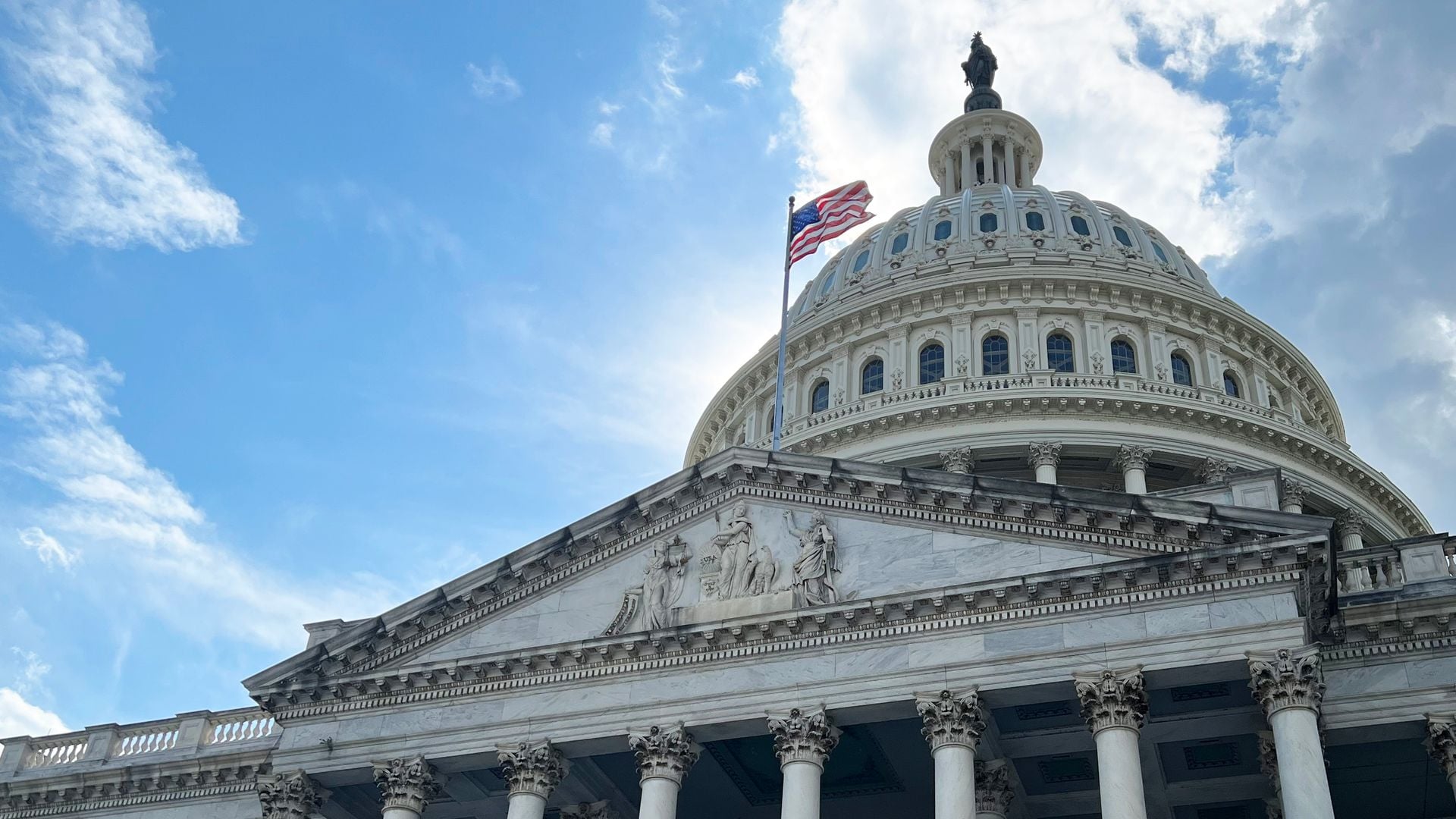
The Digital Asset Market Clarity Act failed to advance in the Senate, pushing the next phase of U.S. crypto regulation to the Securities and Exchange Commission (SEC) and the Commodity Futures Trading Commission (CFTC): more trading and investment is expected to migrate on-chain, but one core question remains unanswered—without Congress, how much genuine certainty can regulators provide?
Interviews with executives and legal experts indicate that all parties largely agree regulation will continue to move forward. The divergence lies in whether agency action can form a resilient foundation, or whether it will only leave behind a set of rules easily washed away by political and legal shifts, forcing companies to adapt repeatedly.
Lev Breydo, an assistant professor at William & Mary Law School, stated that the Clarity Act exposed divisions within the industry, ranging from ethical provisions to battles over yield with community banks.
He said, “What initially appeared to be a united front against Gensler later revealed that the definitions themselves create winners and losers.”
Despite this setback, agencies are rapidly filling regulatory gaps.
The SEC’s five-year Innovation Exemption, launched on September 17, allows qualifying trading venues to trade tokenized U.S. equities through blockchain liquidity pools, while the SEC continues drafting permanent rules.
The CFTC followed suit on October 5, soliciting comments on rules for leveraged retail crypto trading and a new registration category for the crypto market. This initiates a lengthy public comment and rulemaking process rather than immediately effective rules.
Meanwhile, a custody proposal put forward by the SEC on October 1 would allow state trust companies to hold client crypto assets and permit advisors and funds to self-custody under certain conditions.
Looking toward 2027, Breydo anticipates the SEC will focus on finalizing issuance and custody rules while building upon the tokenized equity exemption. He views the joint interpretive statement released by both agencies in March as a crucial foundation: it replaces earlier guidance and enables coordination within the existing statutory framework.
Yet a key gap remains: plain, unleveraged spot trading still lacks comprehensive federal oversight, particularly beyond the CFTC’s anti-fraud and anti-manipulation authority. Bridging this gap was one of the Clarity Act’s core objectives.
Faster Moves, Arriving Sooner
For some executives, legislative setbacks may actually accelerate business opportunities.
Paul McCaffery, head of digital assets at investment bank KBW, said, “The SEC and CFTC are already proactively providing the regulatory certainty the market needs, which is unlocking a wave of M&A spanning digital assets, traditional financial services, and fintech.”
Bitwise Chief Investment Officer Matt Hougan stated that he believes the agency path offers short-term advantages compared to legislation requiring years of follow-up rulemaking. He also anticipates more protocols adopting token buybacks, particularly buy-and-burn models—in his view, SEC clarification has boosted investor confidence.
Developers are closely watching whether regulators will distinguish between writing software and operating financial intermediaries. Cathy Yoon, general counsel at Temporal, a development company focused on Solana, said she hopes the SEC recognizes developers as software creators rather than turning their work into a securities activity.
Yoon said, “The fact that SEC staff are willing to explicitly state these points is itself a victory.” She simultaneously noted that staff FAQs are not official SEC rules.
Michael Lie, global head of digital assets at market maker Flow Traders, noted that as finance moves toward 24/7 trading, he considers comprehensive regulation inevitable. He is tracking developments in the Innovation Exemption and transfer-agent rules, noting that frameworks in Europe and Asia are already advancing.
A Test of Durability
Legal experts believe progress will arrive in phases, with implementation being the most difficult hurdle.
Derek Lowrey, head of legal at Newton Labs (formerly Magic Labs), said, “The biggest gap is enforcement.” Without legislation, regulating trading venues, intermediaries, decentralized finance (DeFi), and spot markets remains significantly harder, he said. However, existing anti-money laundering, sanctions, and record-keeping obligations still provide a foundation for compliance teams to build upon.
Kevin Kreuser, general counsel at domain tokenization company D3, stated that tokenized real-world assets especially require clearer jurisdictional boundaries.
He said, “Agency action is welcome, but it cannot provide the long-term certainty that legislation does.”
Jim Petrila, chief legal officer at Dromos Labs, which develops Aerodrome and Velodrome, holds a more bullish view: growing liquidity and tokenized securities on public blockchains may make going back impractical within two years.
He said, “The signal for DeFi is decidedly bullish.”
Nevertheless, the benefits may not be evenly distributed. Hougan argues that the failure of the Clarity Act preserved a regulatory moat for Coinbase (COIN), Kraken, and other incumbents, delaying competition that might have lowered costs. The emerging landscape suggests experiments will accelerate, but questions regarding who can compete and how stable new rules will remain go unresolved.
Breydo said that only Congress can provide a comprehensive framework with statutory durability.
Join TechFlow official community to stay tuned
Telegram:https://t.me/TechFlowDaily
X (Twitter):https://x.com/TechFlowPost
X (Twitter) EN:https://x.com/BlockFlow_News
 CoinDesk