Web3 August Security Monthly Report: 29 Major Security Incidents, Total Losses Exceeding $68.29 Million
Author: Beosin
According to monitoring data from the Beosin Alert platform, in August 2026, the total losses from various security incidents amounted to approximately $76.15 million. A total of 29 major security incidents occurred, primarily caused by contract vulnerabilities. Among them, there were 18 incidents due to contract/network vulnerabilities, and 2 incidents resulting from private key leaks. Smart contract security and private key management remain weak links in Web3 security.

Top 10 Losses in August
On August 13, an individual user address (0x13e3....179e) had encrypted assets such as WBTC, cbBTC, LDO, USDS, and CRV stolen due to a private key leak, with total losses of approximately $25.6 million, marking the incident with the highest actual losses. On August 30, the lending protocol Tectonic on the Cronos network was hacked due to a contract vulnerability, with estimated losses of around $74 million. This attack prompted the Cronos network to take emergency measures, halting block production and rolling back transactions. The hacker ultimately managed to transfer approximately $6 million to the Ethereum network via cross-chain transactions.
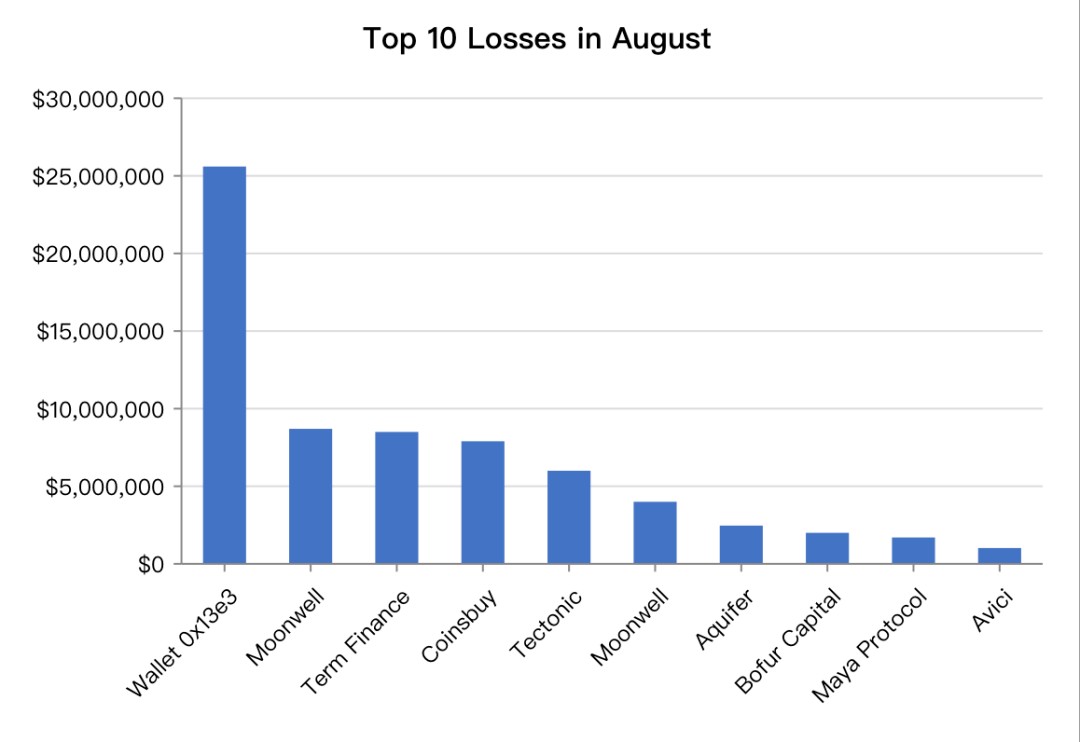
Additionally, the Harmony public chain suffered from the unauthorized minting of approximately 4 billion ONE tokens due to a vulnerability, resulting in nominal losses exceeding $4 million. However, the forged token states were ultimately cleared through transaction rollbacks, so they are not counted in the official losses.
Types of Targeted Projects and Losses Across Chains
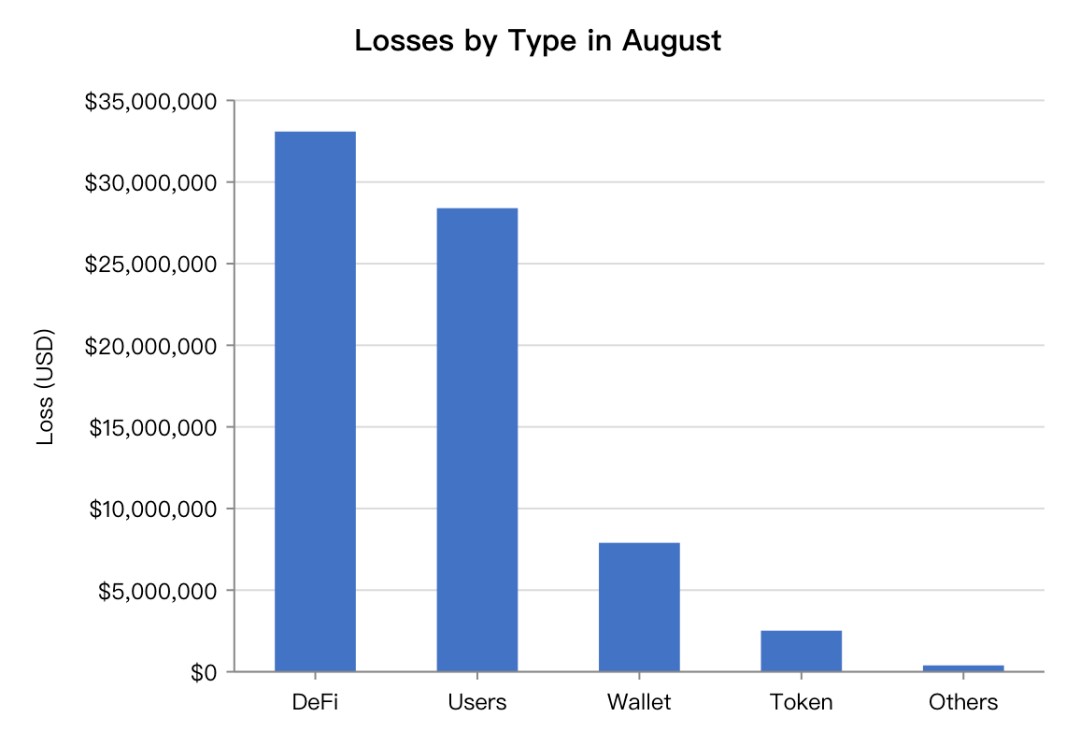
The targets attacked this month span various categories, including public chains, lending protocols, wallet applications, token contracts, cross-chain bridges, and regular users. DeFi projects suffered the highest losses at $33.09 million, while personal addresses lost approximately $28.4 million due to private key leaks or phishing attacks. Token contracts were attacked the most frequently with 10 incidents, followed by DeFi contracts with 9 incidents.
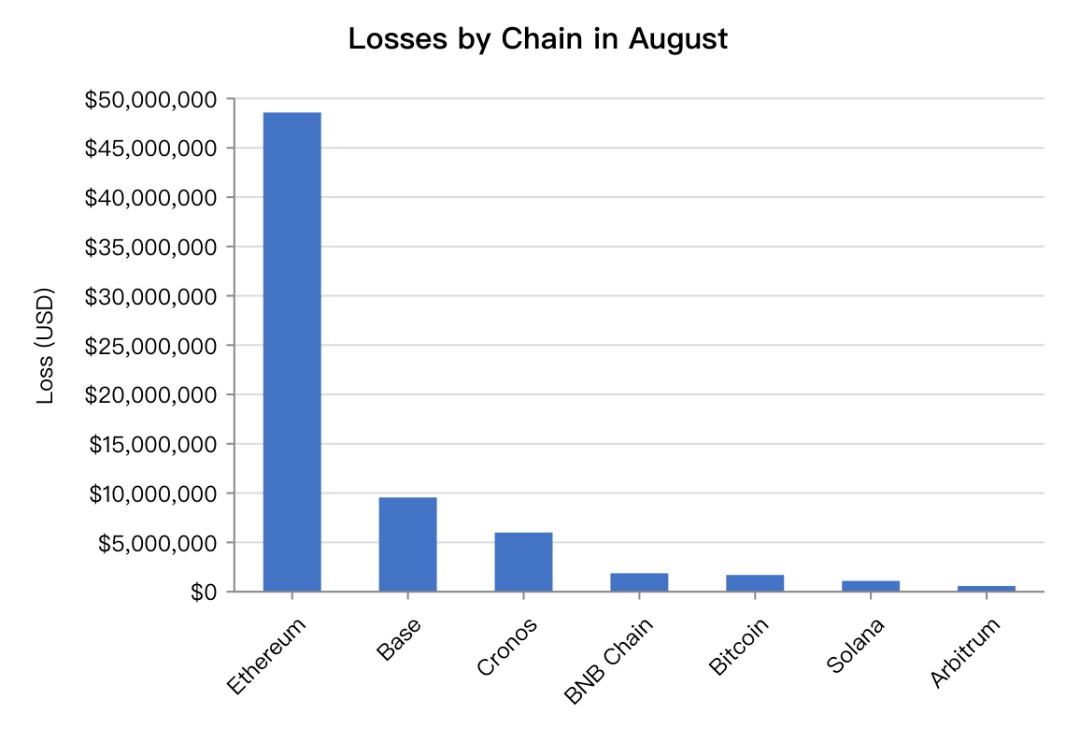
May losses peaked on Ethereum, exceeding $48.58 million across 15 security incidents. Currently, most DeFi protocols and whale-targeting phishing attacks still center on Ethereum. The second-most-attacked chain was BNB Chain, but the primary targets were token contracts, resulting in relatively small financial losses. Furthermore, security incidents also occurred on public chains such as Cronos, Base, Harmony, Bitcoin, and Solana, indicating a multi-chain trend in on-chain attacks.
Analysis of Major Security Incidents
1. Tectonic and Moonwell: Price Manipulation
Both Tectonic and Moonwell are on-chain lending protocols. They were both attacked because the prices of certain collateral tokens with thin liquidity were manipulated, allowing attackers to borrow excessively against artificially inflated asset values for profit. In the Tectonic attack, the attacker boosted the price of the protocol's governance token, $TONIC, by 100 times, securing a borrowing limit of approximately $74 million before withdrawing assets such as USDT. Following the incident, the Cronos network urgently halted block production. Before the halt took effect, the attacker successfully transferred about $6 million to Ethereum via cross-chain transactions. Subsequently, the Cronos network executed a rollback to recover the funds.
Hacker's Ethereum profit address: 0xc404160B79BD8905061a1cAecBeCa2EEab3f72DD and the flow of stolen funds:
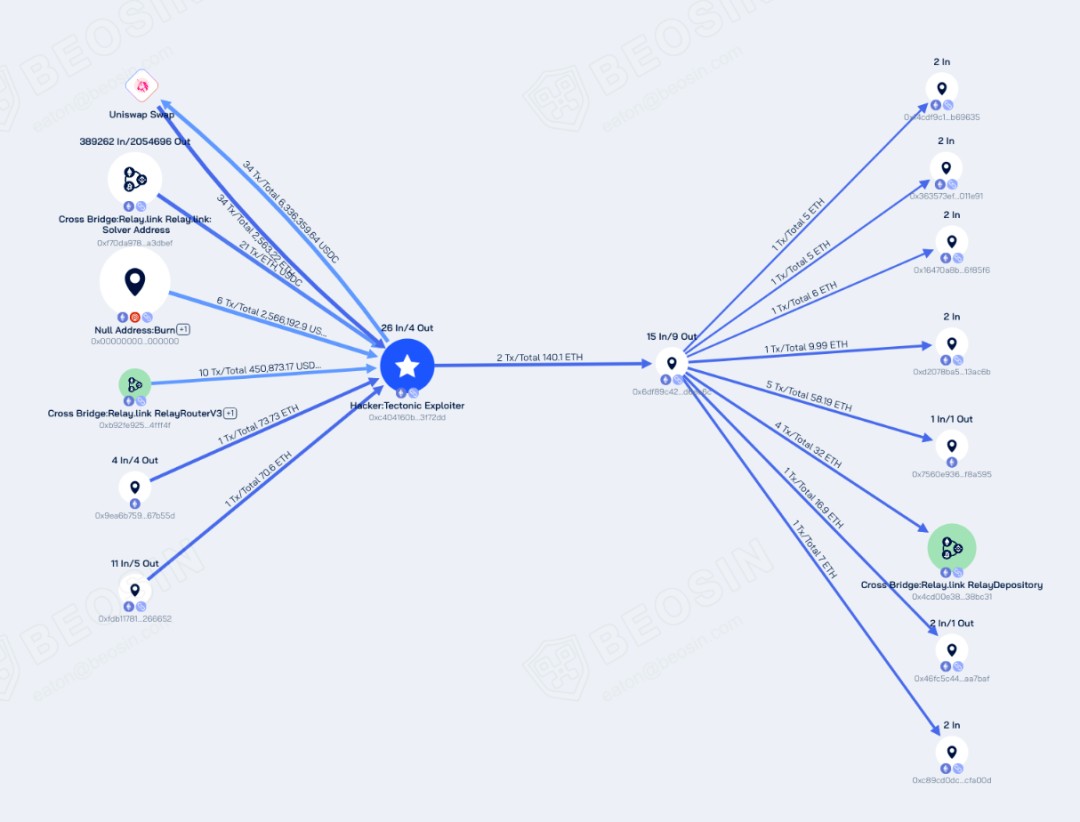
Currently, approximately 2,659 ETH remains stored at 0xc4041..., while 140.1 ETH was transferred to 0x6df89c42f0abdfaa2b5b77edcdafbc945ed6ee6c and subsequently dispersed across multiple newly created addresses.
In the case of Moonwell, attackers manipulated the price of the illiquid MAMO token to borrow cbBTC, resulting in losses of approximately $8.7 million:
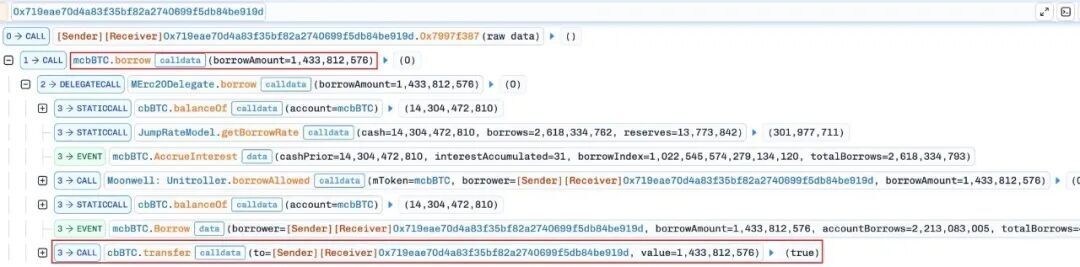
These two attacks were not based on smart contract vulnerabilities. Instead, they exploited the fact that the protocols priced collateral directly from thin spot liquidity, leading to incorrect valuation. To prevent such attacks, protocols can fetch data from multiple sources via different oracles and implement additional safeguards for cases of extreme price volatility.
2. Harmony: Replay Attack
Harmony is a sharded Layer 1 blockchain operating four shards, transferring assets between them via a receipt-based asynchronous cross-shard mechanism. The source shard generates cryptographic receipts for outbound transactions, while the target shard is responsible for verifying that the receipt and its Merkle proof match the signed source block header before crediting the transaction. Each receipt can only be used once.
The vulnerability exploited in this attack resided in a legacy component of Harmony's shard system. Previously, Harmony checked whether a shard receipt had already been used by inspecting two fields: CXMerkleProof.ShardID and BlockNum,
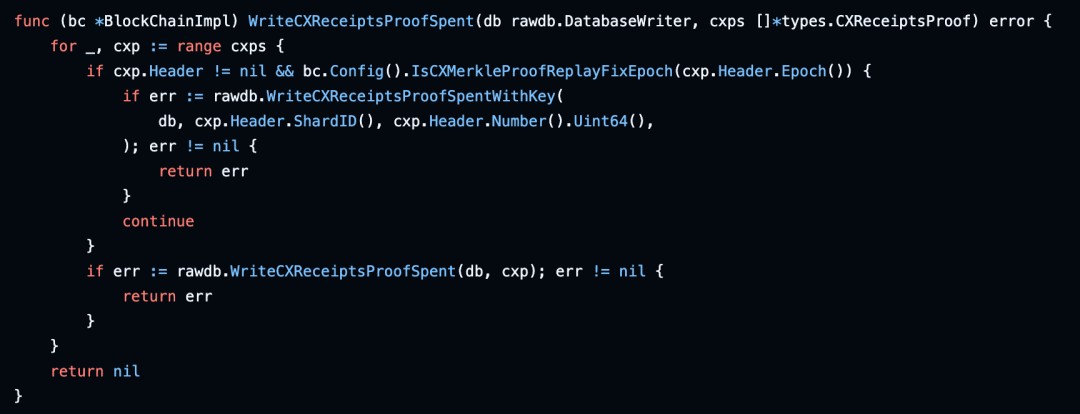
Because these two fields existed outside the signed block header, attackers could modify them without breaking any existing functionality. During this attack, the attacker obtained a cross-shard receipt, modified its ShardID and BlockNum fields, causing the validation program to recognize it as a brand-new receipt. The target shard accepted the modified receipt and credited the transaction again, while the source shard failed to deduct the corresponding assets.
This is a highly typical replay attack. Any field serving as a "single-use marker" must be part of the signed header authentication. When validating receipts, the shard ID and block number should be read directly from the verified block header, rather than trusting unverified fields within the proof structure.
3. Term Finance: Governance Attack
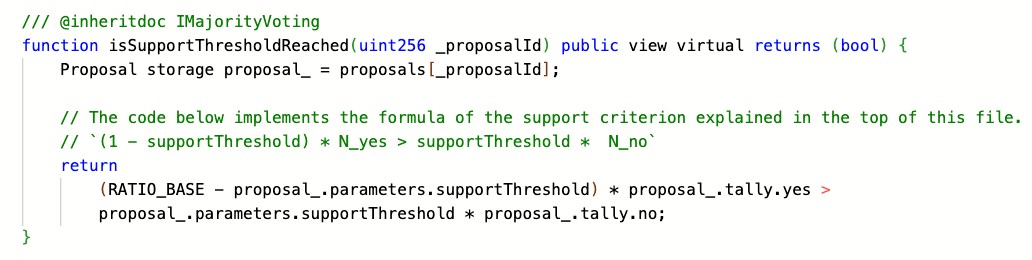
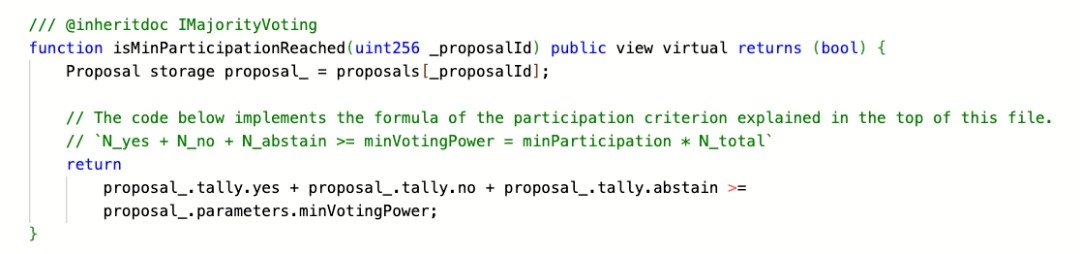
Term Finance is a DeFi fixed-rate lending protocol where each vault is an ERC-4626 Vault built upon Yearn V3 code. Treasury governance on Term Finance operates on a veto model rather than an approval voting model. When curators propose parameter changes, governors open a window for LP token holders to raise objections. However, the governance voting threshold settings contain critical flaws:
● Lack of absolute vote count or capital floor: The conditions for proposal passage, isSupportThresholdReached() and isMinParticipationReached(), only check relative proportions rather than absolute vote counts. This means proposals can pass as long as they meet a relative majority, regardless of the total number of voters or the total amount of capital involved.
● Extremely low participation: Almost no depositors have wrapped their vault shares (tmvETH) into governance tokens (gtmvETH) to participate in voting. This has resulted in an exceptionally low total supply of governance tokens for the relevant vaults.
Exploiting these design flaws, the attacker was able to execute a governance attack on the vaults at a very low cost:
(1) Obtain voting power: The attacker exchanged approximately 0.5 ETH for roughly 0.485 vault shares (tmvETH), which were then wrapped 1:1 into 0.485 governance tokens (gtmvETH), granting them voting rights.
(2) Initiate malicious proposal: When creating the proposal, the contract recorded the total governance token supply at the time as only 0.535 gtmvETH. This meant the attacker's 0.485 gtmvETH already accounted for 90.66% of the total supply.
(3) Vote and execute: Acting as the sole voter, the attacker cast an affirmative vote. With zero opposing votes, their support rate far exceeded the 50% threshold; simultaneously, their individual voting power surpassed the minimum participation threshold (minVotingPower) calculated based on the extremely low total supply.
(4) Extract assets: After the proposal passed, malicious operations were executed to withdraw the vault's assets (WETH).
Using the same method, the attacker compromised six vaults across Term Finance, causing losses of approximately $8.5 million.
This attack is another highly typical on-chain protocol governance exploit. For on-chain governance, project teams should implement the following checks to prevent similar incidents:
● Set absolute vote count or capital floors: Governance proposals cannot rely solely on relative proportions to pass. Hard thresholds based on absolute numbers must be established, such as requiring affirmative votes to reach a certain dollar amount (e.g., $1 million) or a minimum number of independent addresses.
● Equip timelocks with guardians or cancellation paths: Although governance execution typically includes a delay, this merely provides a reaction window. Project teams must equip the execution delay period with effective guardian mechanisms or proposal cancellation paths. If a malicious proposal is identified during the delay, guardians can intervene immediately to cancel it.
● Monitor governance participation: Protocols should establish real-time monitoring for governance participation rates across individual vaults. When abnormally low total supplies of governance tokens or voting participation rates are detected in a vault, alerts should be triggered promptly, potentially automatically activating protective measures.
Web3 Security Threat Trends
The deepest trend observed in Web3 security in 2026 is the systematic expansion of the attack surface. Vulnerabilities are now emerging simultaneously across code levels, daily operations, and interactive processes. Relying solely on occasional security audits or tools cannot cover operational security, on-chain governance, and business logic vulnerabilities. This presents new challenges for Web3 projects building comprehensive security defense systems.
Furthermore, attacks targeting DeFi contracts and individual users remain frequent. Contract vulnerabilities or approvals are easily exploited by attackers. Contract developers and operators should re-review contract security, subjecting core business contracts to multiple, multi-party security audits. For individual users, it is advisable to regularly use blockchain explorers or authorization revocation tools to review and cancel unused contract approvals. Additionally, staying informed about common and emerging phishing tactics is crucial for enhancing security awareness.
Join TechFlow official community to stay tuned
Telegram:https://t.me/TechFlowDaily
X (Twitter):https://x.com/TechFlowPost
X (Twitter) EN:https://x.com/BlockFlow_News
 @Beosin_com