Trump’s Baffling Fed Threat May Be a Gift to Warsh
Author: Mike Dolan
Translated by TechFlow
TechFlow Summary: Last Friday’s positive U.S. August employment data was met with an abrupt pivot from Trump criticizing the Federal Reserve, demanding “rate cuts, or I will stop trading with countries that run trade surpluses with us.” Reuters columnist Mike Dolan points out that this statement makes no logical sense, and the markets barely reacted; yet it precisely presents an opportunity for Fed Chairman Kevin Warsh, who took office in May this year, to push for a rate hike this month. This would both reaffirm the Fed’s commitment to its inflation target and prove he is not a White House “puppet,” thereby distancing himself from the president and establishing his own credibility.
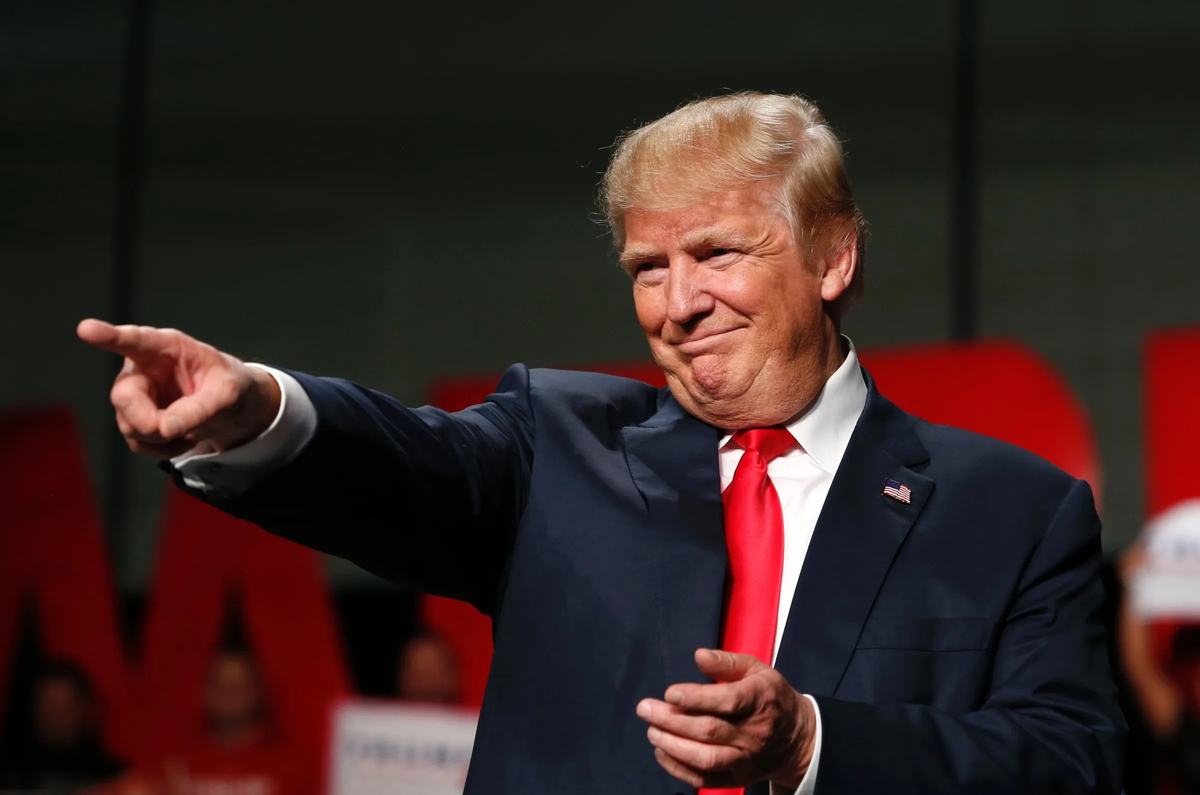
Trump’s inexplicable linking of U.S. interest rate policy to trade relations with America’s largest trading partner has sparked more confusion than market volatility. But the president’s outrageous remarks have instead handed Fed Chairman Kevin Warsh an opportunity: to push for a Fed rate hike this month, thereby convincingly distancing himself from the White House and boosting his own credibility.
Last Friday should have been a decent day for the president economically. After all, U.S. job growth in August tripled expectations, with a significant portion of summer's weak employment figures revised upward. Diesel prices did indeed hit record highs earlier that day, which could pose upside risks to inflation. Yet the moderate wage growth in the jobs report could also be interpreted as another reason for the Fed to hold steady while awaiting this Friday’s inflation data—just days before the central bank’s next meeting.
Trump needs some good economic news. With only two months until the midterm congressional elections, his overall approval rating remains at a low point across both terms, and 71% of Americans—including four-tenths of Republicans—disapprove of his handling of living costs.
However, instead of doubling down on the positive August employment data, Trump swiftly and somewhat inexplicably turned his sights on the Federal Reserve, telling the central bank what it should do and threatening retaliation if it didn’t comply.
“High rates put the United States at a very unfair disadvantage, and I won’t allow it to happen!” Trump wrote on his Truth Social platform, while praising Warsh as “great.” “We should have the lowest interest rates in the world... If they don’t cut rates, I will stop trade with countries that run a surplus with us,” Trump added.
The main problem with this argument is that it simply doesn’t add up. Even pundits who usually back the president either skipped trying to make sense of it or ignored it altogether. Given market concerns over the past 18 months regarding the president’s sustained political pressure on the central bank—including his willingness to use political appointments to force compliance—this conspicuous disregard is quite notable.
Throughout his second term, Trump has repeatedly demanded substantial rate cuts and multiple times threatened to fire Warsh’s predecessor, Jerome Powell, for refusing to oblige. He frequently questions why America’s economic strength shouldn’t simultaneously translate into having the lowest borrowing costs globally, even though most economists find the idea that a rapidly growing economy should have cheaper borrowing expenses hard to swallow. Given the inflationary pressures from an overheating economy, the opposite is typically true.
More importantly, core inflation has remained above the Fed’s 2% target for 65 consecutive months, growth is accelerating, financial conditions are accommodative, and full employment has essentially been achieved. Hardly anyone believes the Fed should cut rates now—even those who think a September rate hike (currently priced at over 50% in futures markets) might be slightly premature.
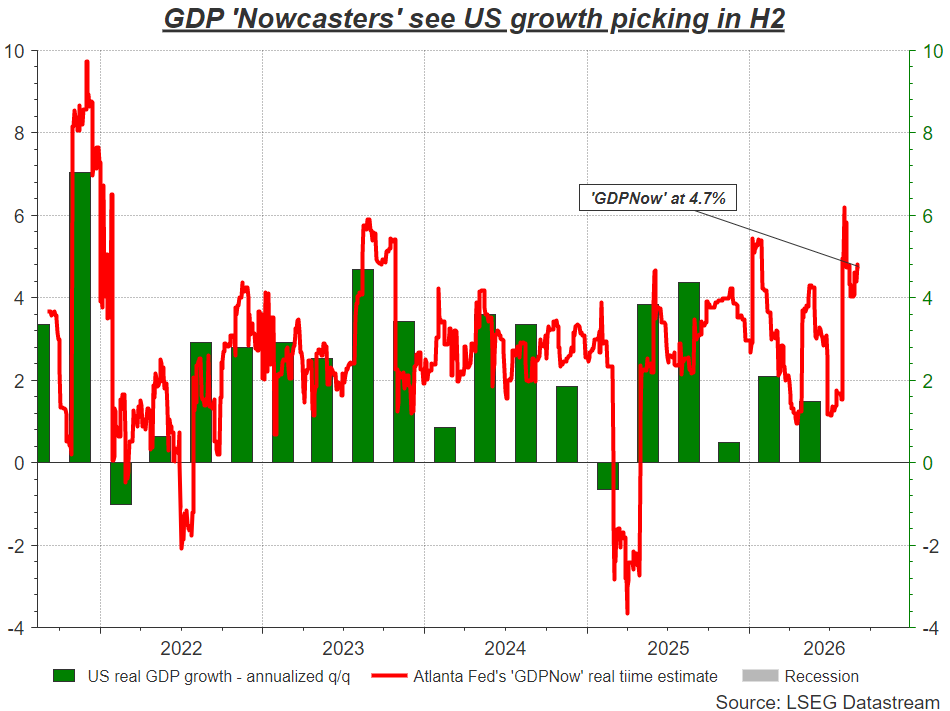
Even if you agree with calls to cut rates now, linking the Fed’s hesitation to the threat of “stopping trade with foreign countries” despite cost-of-living concerns leads most commentators and investors to question whether the president possesses basic common sense.
"Clueless" or "Puppet"?
Friday’s post may have simply been a hastily assembled effort to rally support for the latest round of his tariff war offensive. Even so, deliberately weakening foreign economies by cutting off imports through tariffs or executive orders could prompt those nations to cut their own rates while simultaneously driving up domestic import prices in the U.S. That still wouldn’t give the United States the lowest global interest rates.
The market’s muted reaction to Trump’s latest Federal Reserve remarks may indicate that investors are becoming increasingly skeptical and cautious of the president’s ever-more-absurd posts. For instance, Trump recently claimed he had bombed Iran’s Kharg Island oil hub to pieces, which turned out to be completely false.
So where does that leave Kevin Warsh? The chairman appointed by Trump has struggled to establish his credibility since taking office in May, constantly weighed down by concerns over White House political pressure.
However, Warsh struck a distinctly hawkish tone in his recent Jackson Hole keynote address.
Raising rates now would not only highlight the Fed’s commitment to its inflation target (regardless of how minor any shift in this week’s consumer price trend proves), but also affirm Warsh’s command over the central bank and help him distance himself from the president.
“A 25-basis-point rate hike is excellent PR. It ends the credibility narrative and puts to rest months of speculation over whether Warsh is a puppet,” wrote Dario Perkins, economist at TS Lombard. He noted that over the past 50 years, only Janet Yellen failed to raise rates within her first two months as Fed chair.
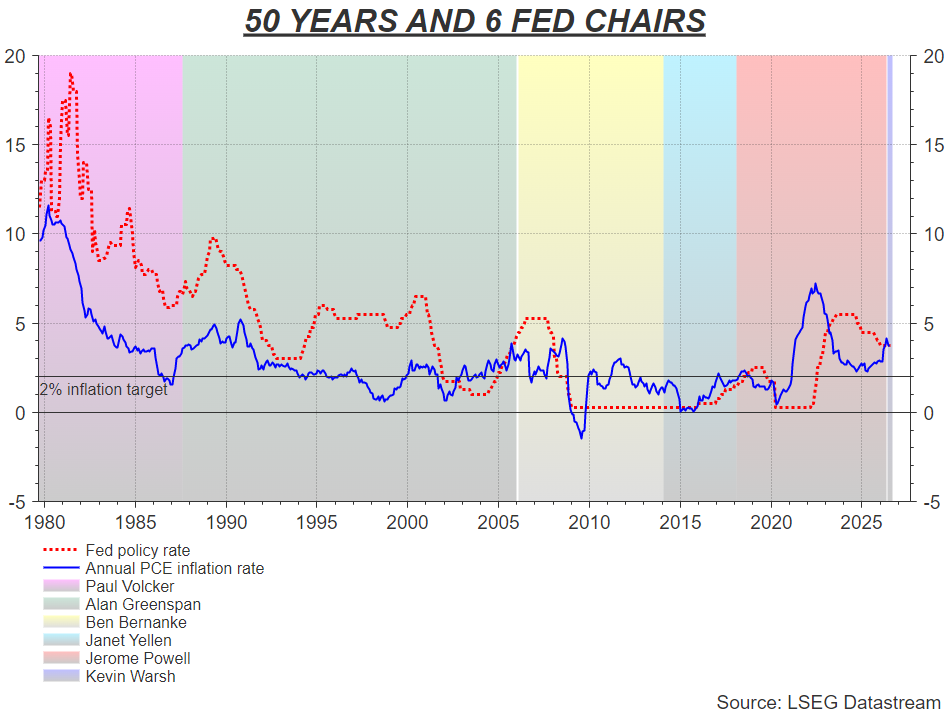
If the public perceives that the Fed and its current leader are being intimidated by a White House whose rationale is “hard to explain,” the cost of that perception outweighs any negative impact from a quarter-point rate hike. In fact, raising rates now could actually help push down long-term bond borrowing costs by reaffirming the Fed’s credibility in fighting inflation and alleviating some pressure on Treasury Secretary Scott Bessent, given that long-term rates arguably exert a greater influence on the economy than policy rates.
“Warsh won’t truly earn credibility until Trump starts calling him an idiot!” Perkins added.
For now, Warsh still appears “great” in the president’s eyes. But Trump went from praising Powell as “brilliant” to slapping him with the label “clueless” when rates kept rising in just one year. Warsh faces pivotal decisions ahead, even if they risk angering the man who appointed him.
(The views expressed herein belong solely to Mike Dolan, a Reuters columnist.)
Join TechFlow official community to stay tuned
Telegram:https://t.me/TechFlowDaily
X (Twitter):https://x.com/TechFlowPost
X (Twitter) EN:https://x.com/BlockFlow_News
 @Reuters