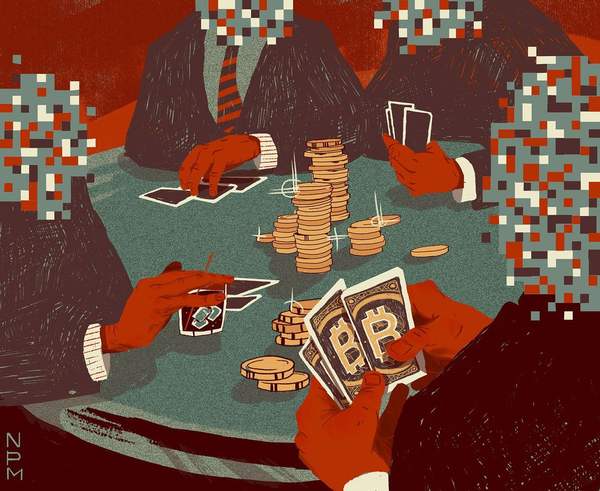
SocialFi Ecosystem Landscape and Investment Overview in 2023
TechFlow Selected TechFlow Selected
SocialFi Ecosystem Landscape and Investment Overview in 2023
With strong momentum in the cryptocurrency space, are we now at the early stage of SocialFi?
 Navigating Web3 tides with focused insights
Author: Pink Brains
Compiled by: TechFlow
Twitter took 5 years to reach 100 million users, while Facebook reached 1 billion in 8 years.
SocialFi, a relatively new concept gaining strong momentum in the cryptocurrency space, are we at its early stage? What does the SocialFi landscape look like in 2023? Let’s dive in:

Segments and Notable Projects
The SocialFi ecosystem is rapidly expanding, encompassing various subfields. Broadly, we can categorize it into three main layers:
1/ Networks, Storage, and Data
2/ Social Infrastructure
3/ Application Layer
Networks, Storage & Data
Decentralized applications (dApps) in SocialFi are primarily built on Ethereum, BSC, and Layer-2 solutions such as Base and Arbitrum. However, we are seeing growing trends of SocialFi projects on Solana and Avalanche.
Additionally, there are blockchains specifically built for SocialFi, such as Deso and Subsocial.

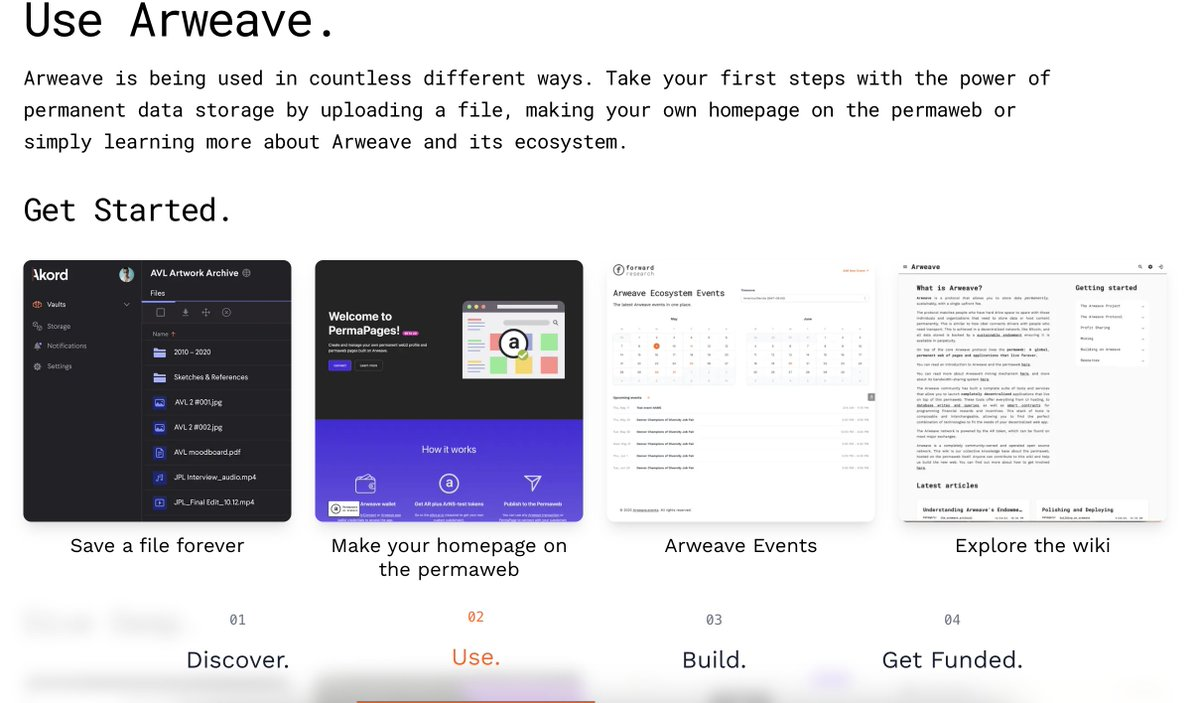
SocialFi applications can store data directly on blockchains, use decentralized data storage services, or adopt a hybrid approach. IPFS, Arweave, and Filecoin have long-standing reputations in decentralized data storage. The Graph is integrated into many dApps for data organization.
Social Infrastructure
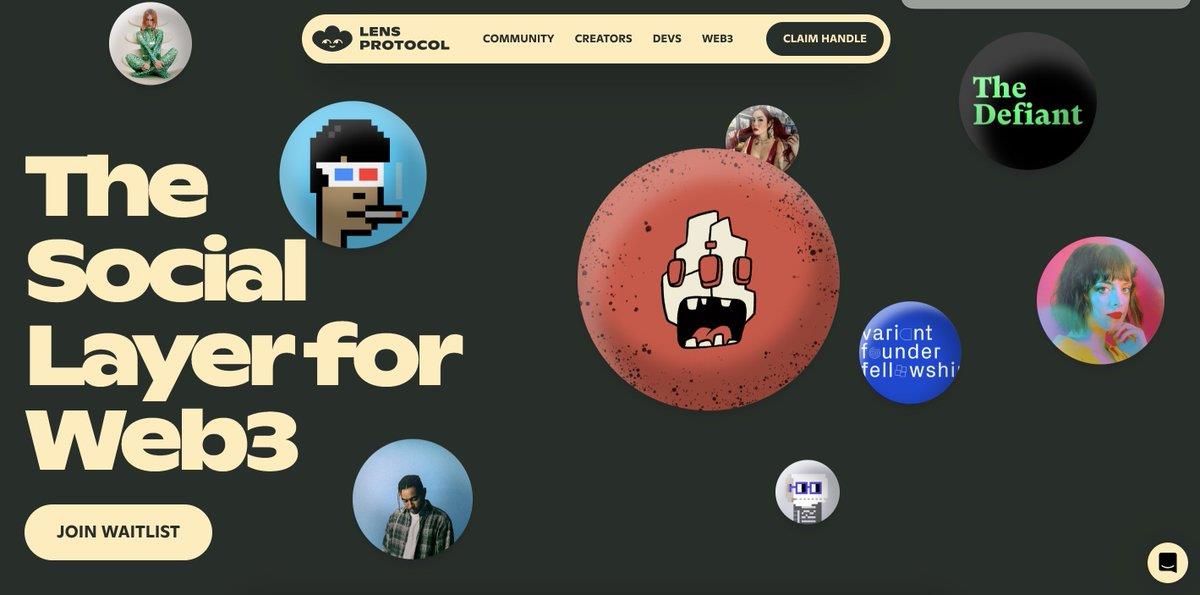
This is the core layer of the SocialFi ecosystem, comprising the infrastructure for SocialFi dApps. A key component is the social graph, which manages each user's network of connections.
Notable dApps: CyberConnect, Lens Protocol, Farcaster.
The second subcategory within social infrastructure is user identity protocols, known as "Identify."
Prominent projects in this space include: ENS, Space ID, Unstoppable.

The POAP project also enhances user identity by providing proof of participation.
If you're looking for incentivized community activities to join, don’t miss events on Galxe, Quest, Layer3, and TaskOn.
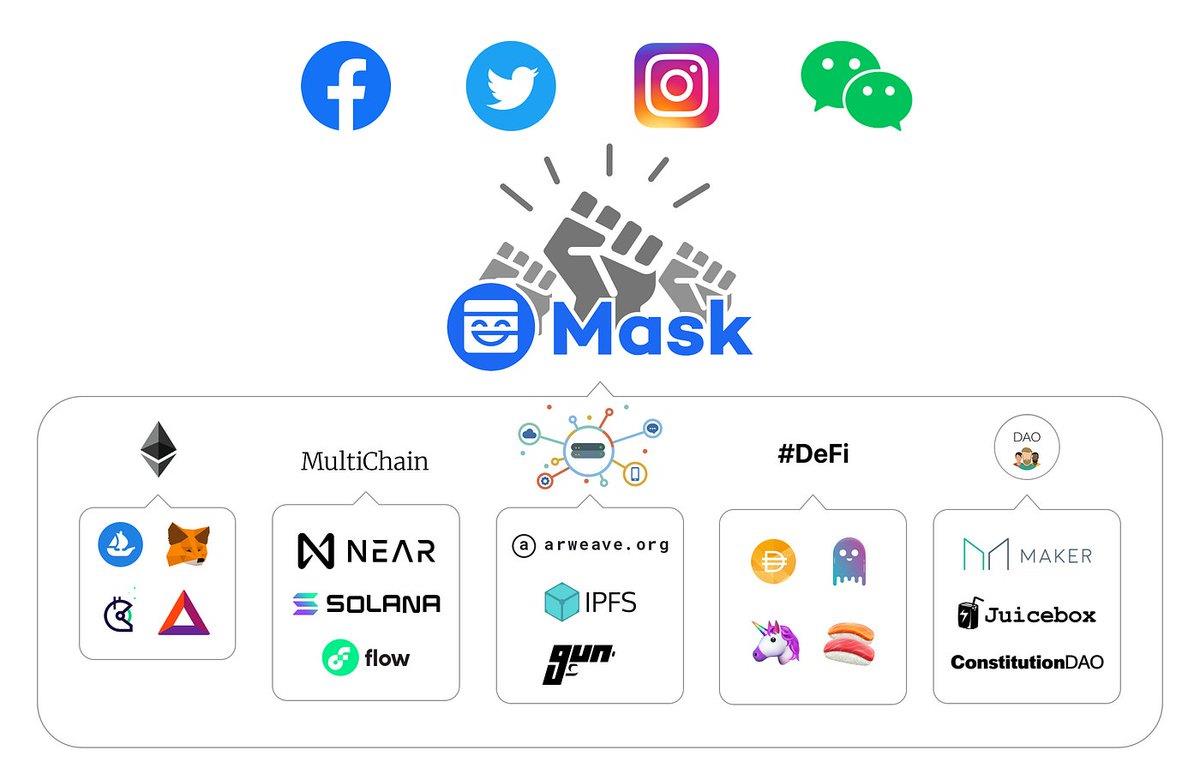
Moreover, some tools facilitate the transition from Web2 to Web3. A typical example is Mask Network, which gained significant attention due to its rapid growth at the end of last year.
Application Layer
The application layer represents the most exciting aspect of SocialFi—not only because of its diversity but also because it drives user engagement across the ecosystem.
Lens is revolutionizing social reputation through a unified social graph across multiple applications. Notable statistics:
-
Monthly transaction volume surged to 4.2 million;
-
Active user count hit a record high of 30,000 in February.

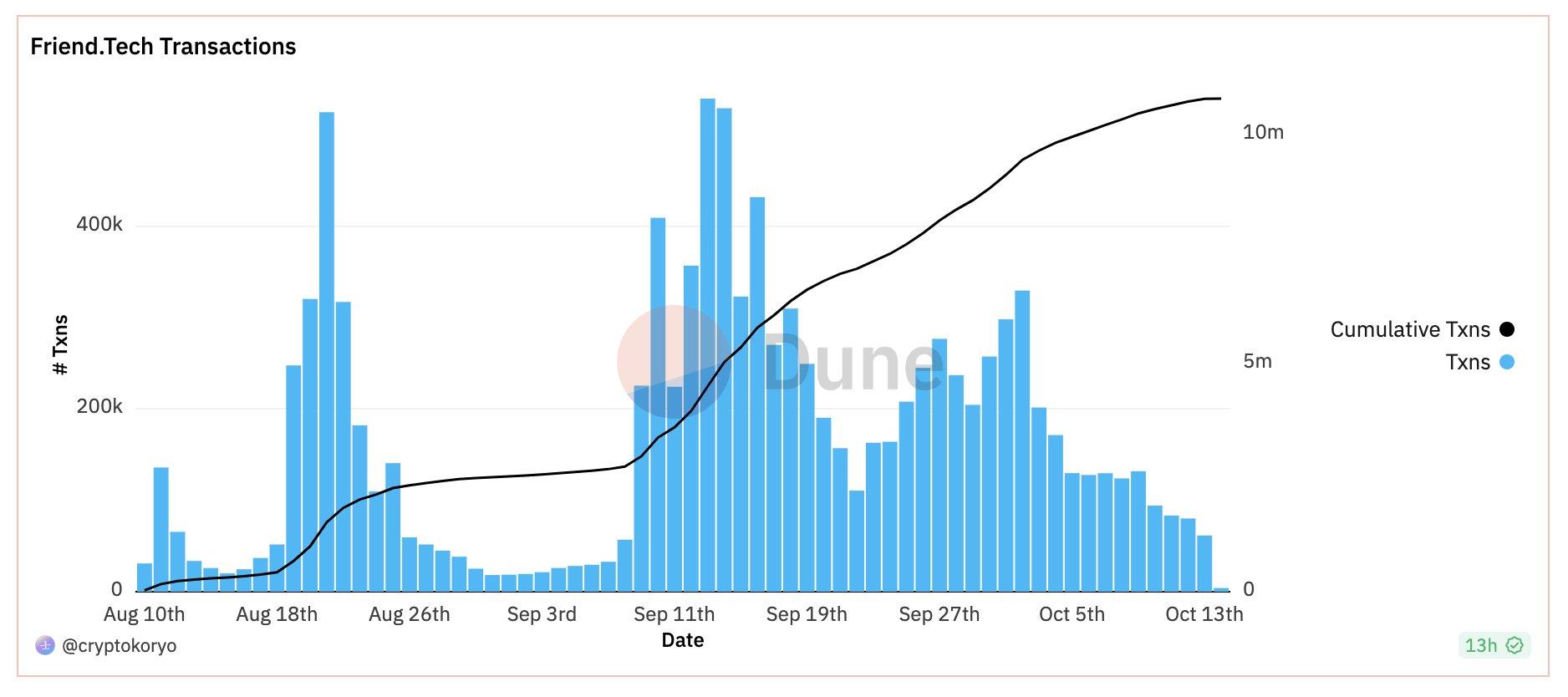
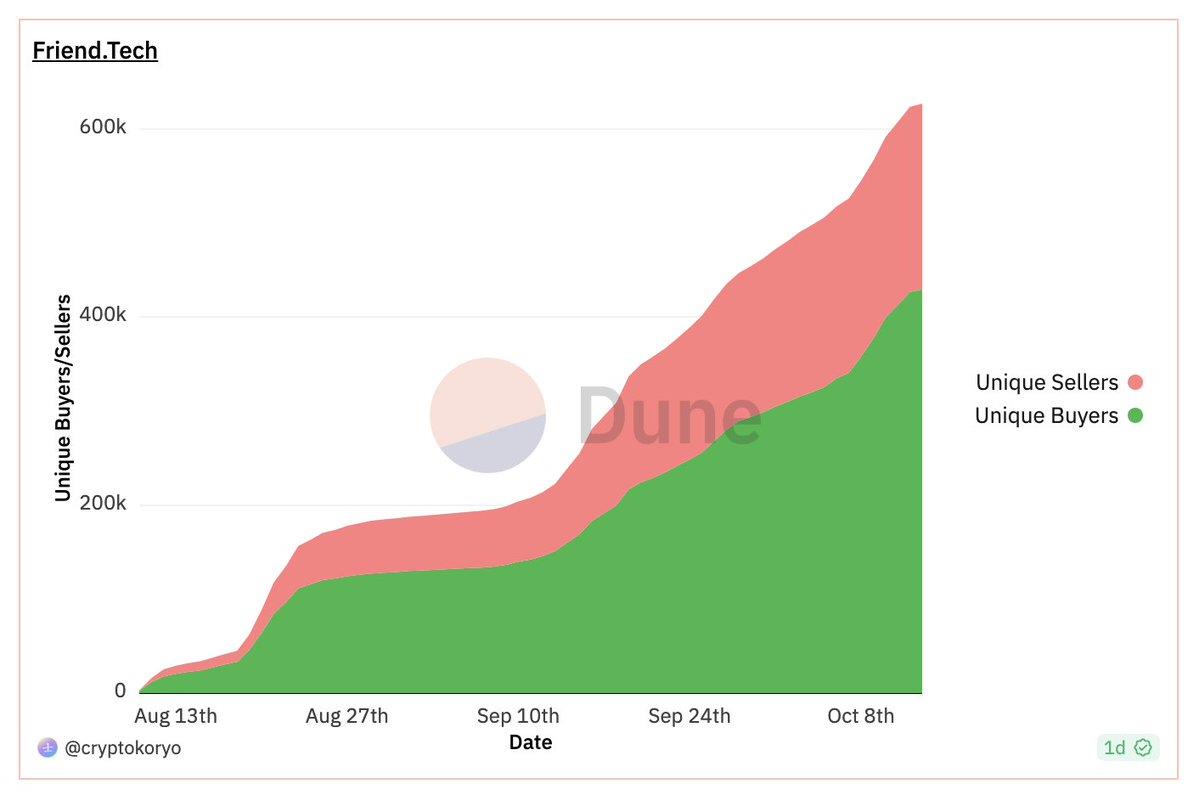
FriendTech is a unique SocialFi application on Base that allows trading of KOL “keys,” offering access to private chats, airdrops, and fee sharing. Its popularity skyrocketed, amassing over 100,000 users and generating $25 million in revenue within two weeks. As of October 2, its total value locked exceeded 30,000 ETH.
Next Trends
Deeper adoption from major Web2 companies: embracing NFTs, open-sourcing, transparent revenue-sharing models, and increased integrations (e.g., X, Threads, Reddit, and Telegram).
Top-tier venture capital firms focusing on seed investments in SocialFi, including Binance, Solana Ventures, Paradigm, and Coinbase Ventures.

So, do you think we are at the dawn or twilight of SocialFi? How long will it take for SocialFi to attract its first 100 million users? We hope this article has given you a general understanding of the 2023 SocialFi landscape. Let’s witness its evolution together and further explore your favorite projects.
Join TechFlow official community to stay tuned
Telegram:https://t.me/TechFlowDaily
X (Twitter):https://x.com/TechFlowPost
X (Twitter) EN:https://x.com/BlockFlow_News
 @PinkBrains_io