Metaverse Employment Outlook Report: Flexible Work Models, but Shortage of Comprehensive Talent
TechFlow Selected TechFlow Selected
Metaverse Employment Outlook Report: Flexible Work Models, but Shortage of Comprehensive Talent
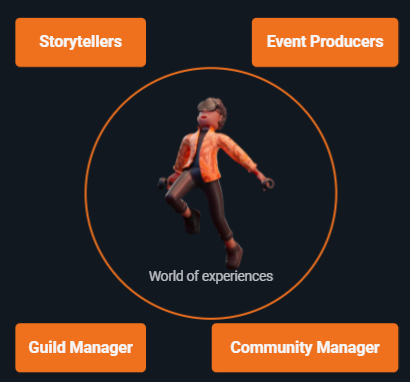
Alongside developers and functional departments, emerging professions such as story creators and event producers will see significant demand driven by the development of the metaverse.
 Navigating Web3 tides with focused insights
Written by: Harry Liu, CEO of Forj
Translated by: Wayne Zhang, Forj CN Community Manager
Foreword:
At 02:00 UTC on September 29, Forj CEO Harry Liu shared this report with Ultiverse DAO Moonlight on Binance Live. Below is a summary of the livestream content along with supplementary research material.
This report will present opportunities and future prospects in the metaverse industry from multiple perspectives, including market environment, employment and entrepreneurship landscape, job demand, salary standards, work environments, and future development trends.
What Is an Open Metaverse?
The metaverse is a gateway to digital experiences. An open metaverse goes beyond being just a closed digital space—it’s an open virtual world where people can digitally experience, communicate, and create.
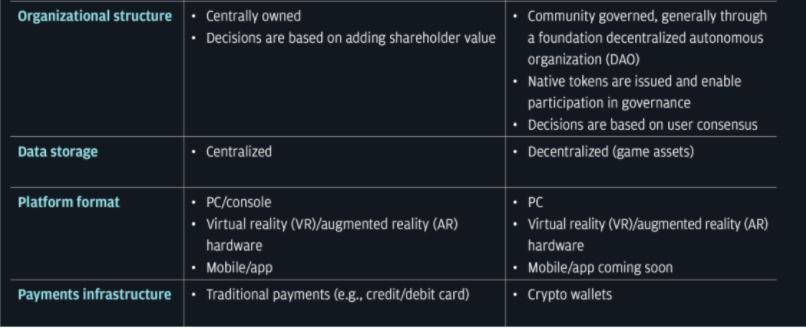
From organizational structures, data storage, platform formats, and payment infrastructure, Web3-based metaverses align more closely with our definition of an open metaverse. This makes them the primary focus and main source of data for this report.
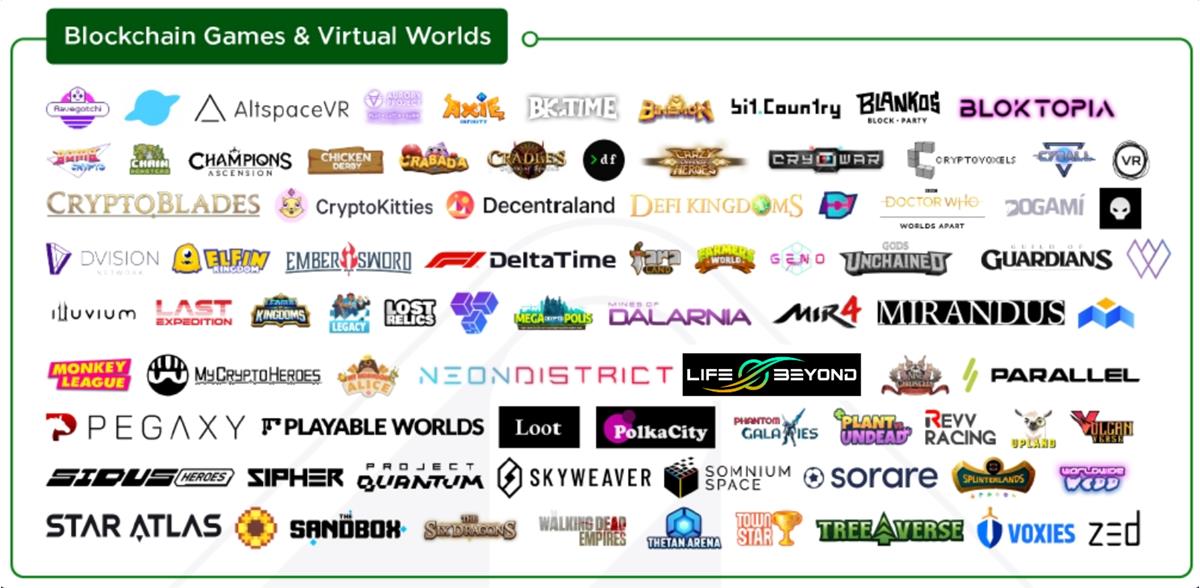
Since the rise of the metaverse concept, numerous metaverse games and worlds have emerged.
Metaverse Market Size
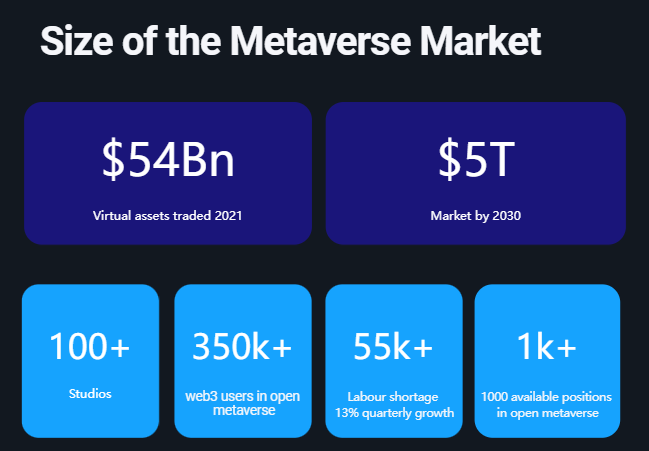
In 2021, trading volume for virtual assets reached $54 billion. According to forecasts by research institutions, the metaverse market size is expected to surpass $5 trillion by 2023. As of the report's publication date, there are already over 100 identifiable metaverse studios, with more than 350,000 users enjoying open metaverse experiences. Behind this growing user base lies a quarterly labor shortage rate of 13%—a talent gap of at least 55,000 people. Currently, over 1,000 job positions remain unfilled.
New Industries Empowered by the Metaverse
Historical data shows that every technological advancement triggers a new wave of employment. While we cannot directly map the metaverse to any single existing industry, we can extract insights from the industries it empowers.
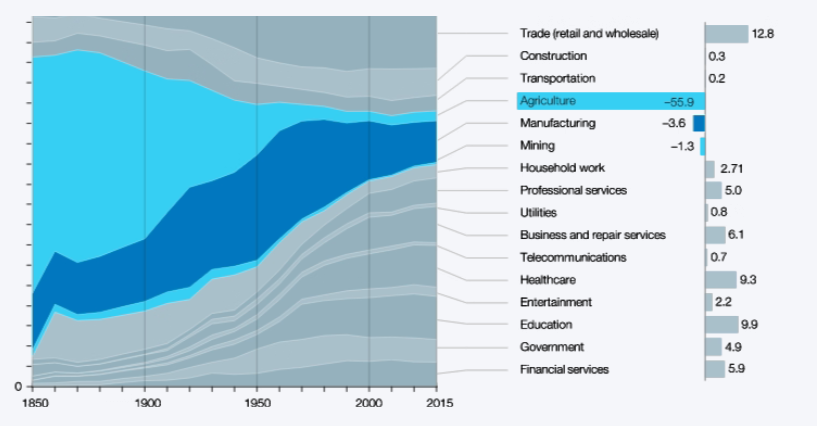
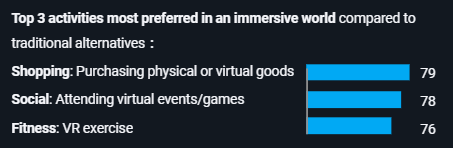
We believe the top three industries set to benefit most from metaverse development are gaming, retail e-commerce, and music/entertainment. Compared to traditional activities, the top three immersive experiences in virtual worlds are shopping, socializing, and wellness.
Existing & Future Job Roles
Metaverse teams require diverse talents. Building an open metaverse requires not only engineers, artists, and designers but also core functional departments found in traditional organizations, such as HR and finance.
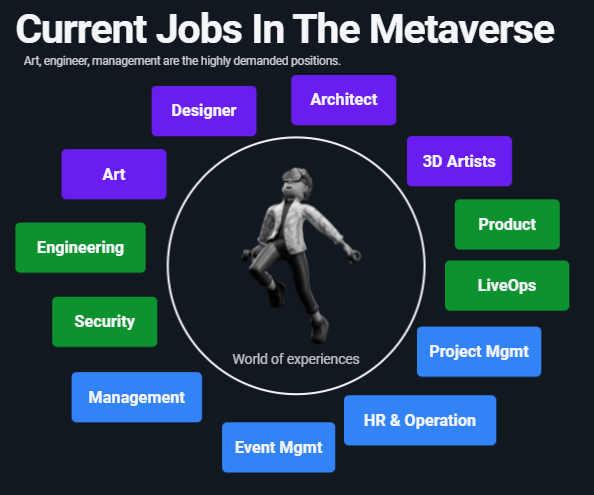
The above chart lists 12 functional departments. Some, like HR, are traditional roles. However, due to limited understanding of the metaverse industry, while certain traditional roles may be saturated, many related Web3 positions remain vacant.
As of the report’s release, we identified 4,000 job openings on LinkedIn, including roles at major metaverse companies such as The Sandbox (70 positions), Improbable (100 positions), Decentraland (20 positions), and Meta (100 positions).
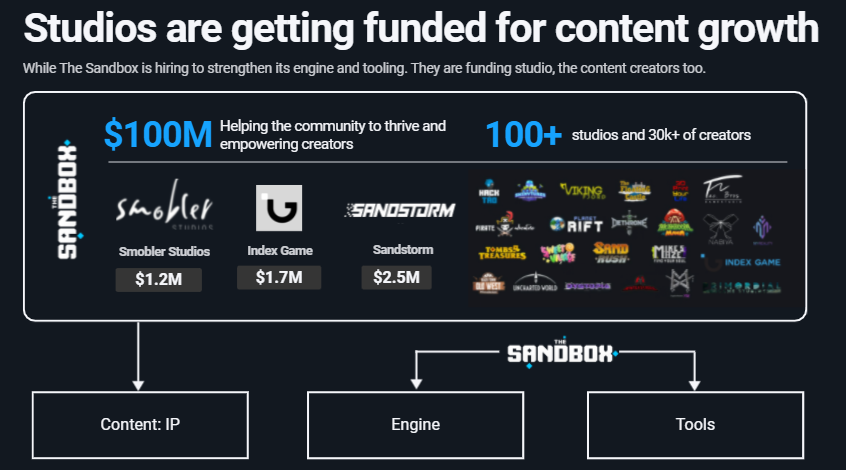
In the metaverse, income isn't limited to company employees—freelance creators can also earn rewards. For example, in The Sandbox, creators can generate revenue by building games, constructing buildings, or designing accessories. As openness and infrastructure improve, individuals and teams can establish studios to develop games, scenes, and architecture. The Sandbox further supports these studios with game engines and development tools, while studios focus on content and IP creation. To date, over 100 metaverse studios have been established and funded on The Sandbox, generating more than 3,000 creator jobs.
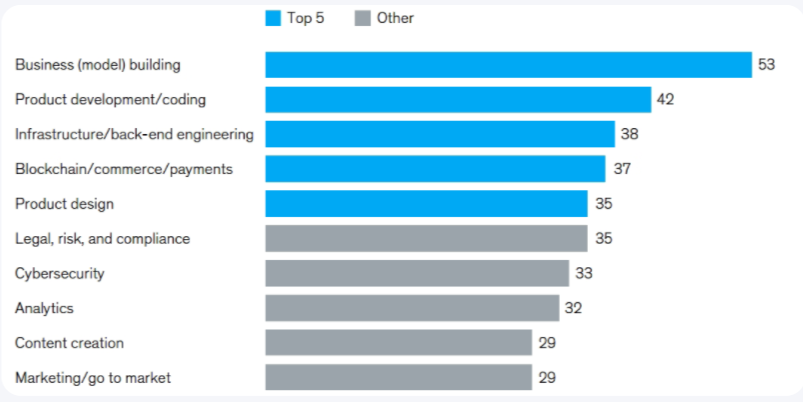
Survey results show the top five capabilities critical to metaverse project delivery are: business model development, product development/programming, infrastructure/backend technology, blockchain and e-payment systems, and product design.
Metaverse and Macro Policies
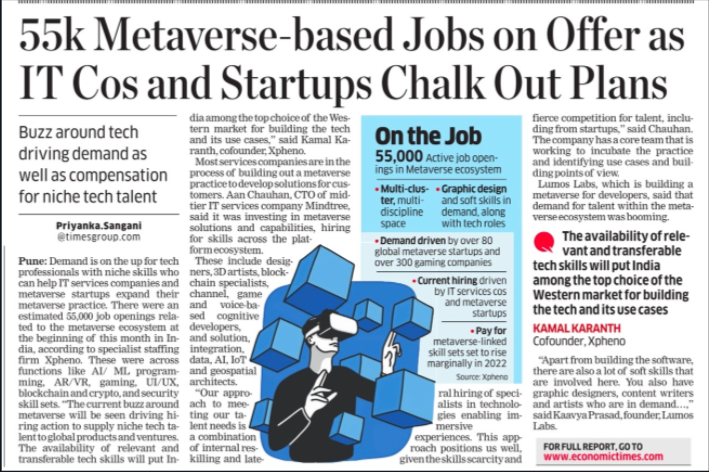
According to The Economic Times, the ongoing development of the open metaverse is expected to create 55,000 jobs, significantly boosting India’s industrial standing.
A royal prince of Dubai stated: "Dubai now hosts over 1,000 metaverse and blockchain companies. With modernized regulations for the virtual sector, Dubai aims to support over 40,000 virtual jobs by 2030 and contribute $4 billion to its economy within five years."
Salary Levels in Metaverse Jobs
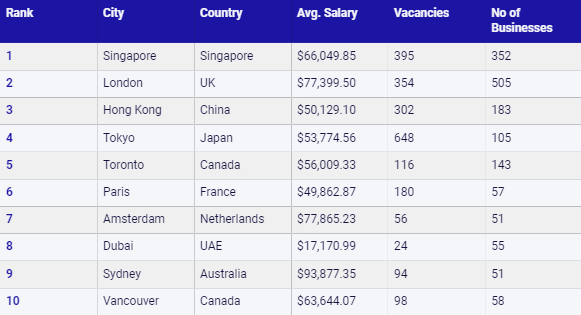
While Sydney, Canada has the highest average salaries, when factoring in salary, number of metaverse companies, and job availability, Singapore, London, and Hong Kong rank as the top three cities for overall metaverse employment opportunities.
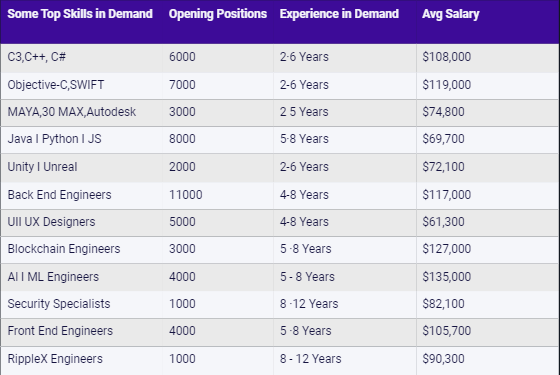
Beyond location, company, and role, income levels vary based on skill sets. For engineers, different programming languages, experience levels, and specializations lead to varying compensation. AI/ML engineers command the highest average salaries, while C++/C# engineers require the least experience and backend engineers have the most job openings.
High salaries attract talent, fueling industry growth. The average price of VR hardware has dropped from $500 in 2016 to $300 today. Lower prices and improved services—such as Oculus Quest 2 supporting over 200 games, double the number from five years ago—make hardware more accessible and feature-rich, encouraging broader adoption. As new users enter, they bring new demands and opportunities. We anticipate four emerging job types:
- Story Creators: Evolved content and narrative creators who integrate virtual worlds, goods, NFTs, metaverse portals, and communities into compelling stories;
- Event Producers: Specialists in deploying immersive metaverse experiences such as concerts, parties, art exhibitions, community gatherings, sports events, tours, and travel;
- Community Managers: Focused on building strong online and offline relationships to enhance platform engagement and retention;
- Guild Managers: Responsible for organizing gaming guilds and coordinating internal resources and creators.
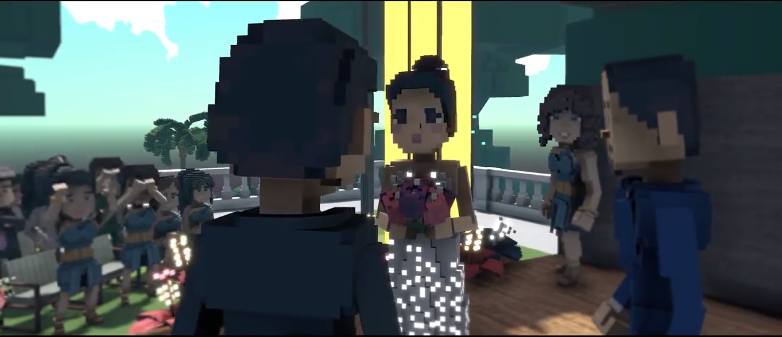
Beyond these four roles, many unimaginable opportunities may emerge. For instance, in September 2022, Smobler Studios hosted a metaverse wedding in The Sandbox—a concept previously unimagined, yet now realized.
Work Environments in Metaverse Companies
Although teams build metaverse products, not all operate virtually or remotely. Based on photos shared by official project channels and employees, physical offices differ significantly in culture and design from traditional workplaces, incorporating many Web3 elements such as NFTs. Below are images of actual workspaces:
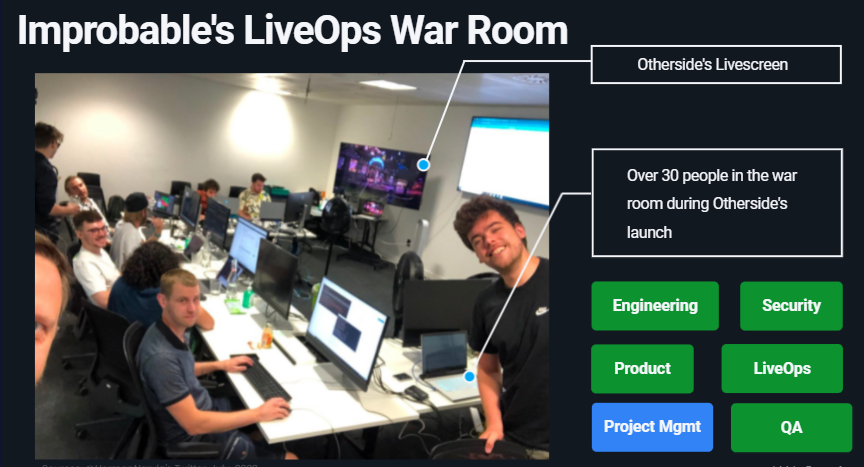
Improbable's LiveOps War Room
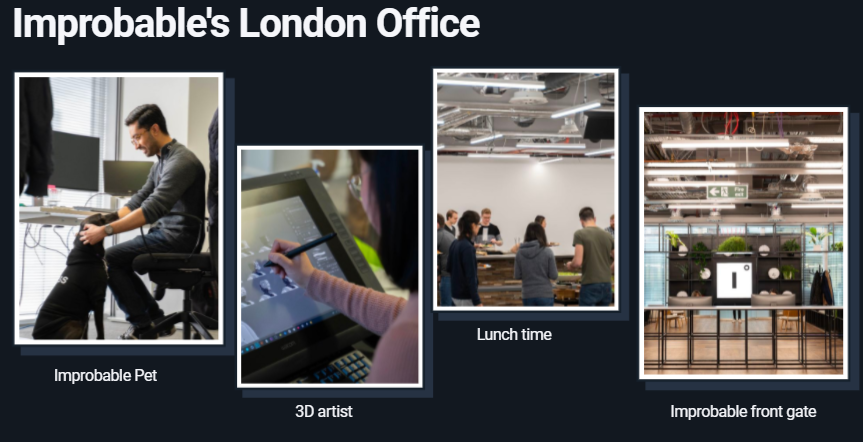
Improbable London Office
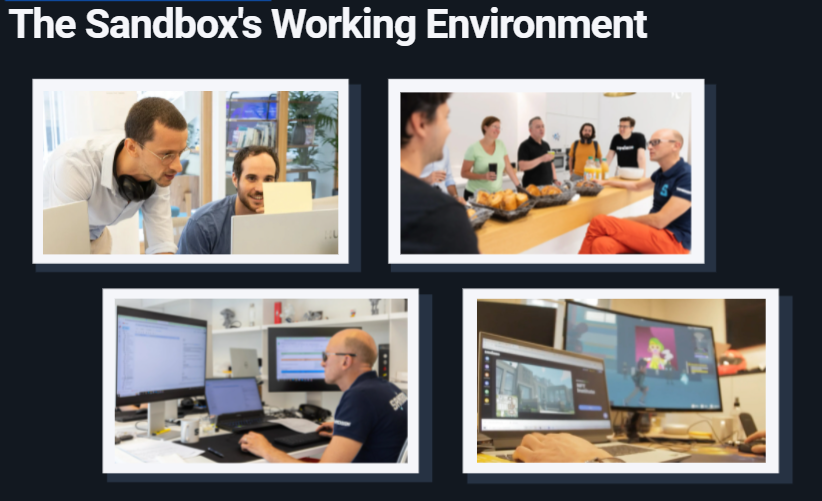
The Sandbox Workspace
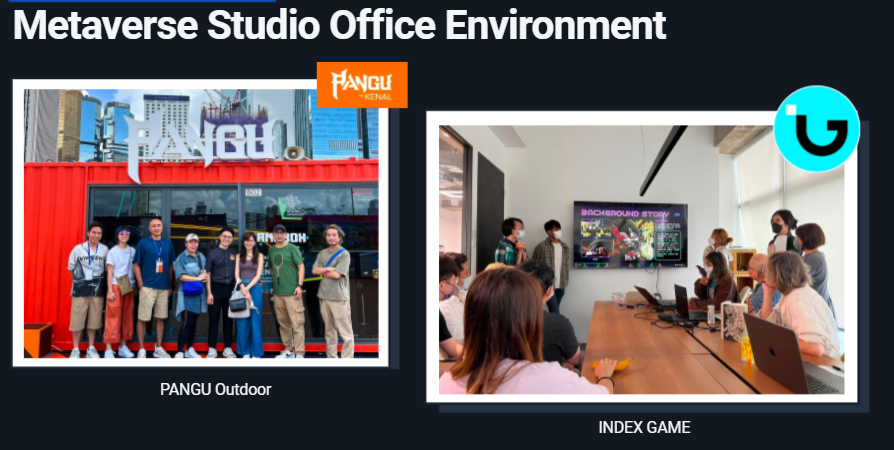
Workspaces from Other Metaverse Projects
Opportunities and Challenges in the Metaverse
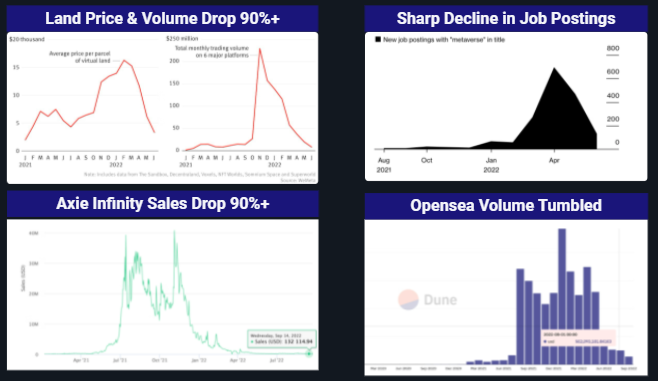
The bear market presents both challenges and opportunities for NFTs and the metaverse. During macroeconomic downturns, even thriving sectors face declines—assets such as metaverse land, NFTs, and tokens have seen significant price drops, some falling to around 10% of their peak values, with trading volumes at cyclical lows. This has led to reduced revenues for some metaverse teams and subsequent job cuts.
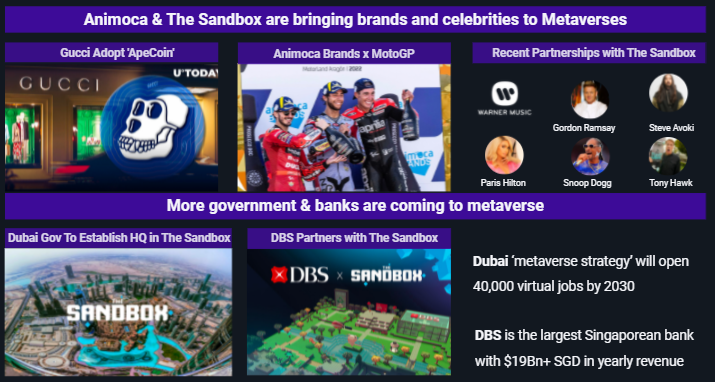
Yet winter brings hope for spring. Despite current challenges, the metaverse still holds immense potential. Many brands are entering the space and innovating their brand strategies. For example, Animoca Brands & The Sandbox have partnered with major names like MotoGP and Gucci, as well as individual IPs such as Snoop Dogg. Notably, even entities like the Dubai government and DBS Bank have collaborated with Animoca Brands to advance metaverse development.
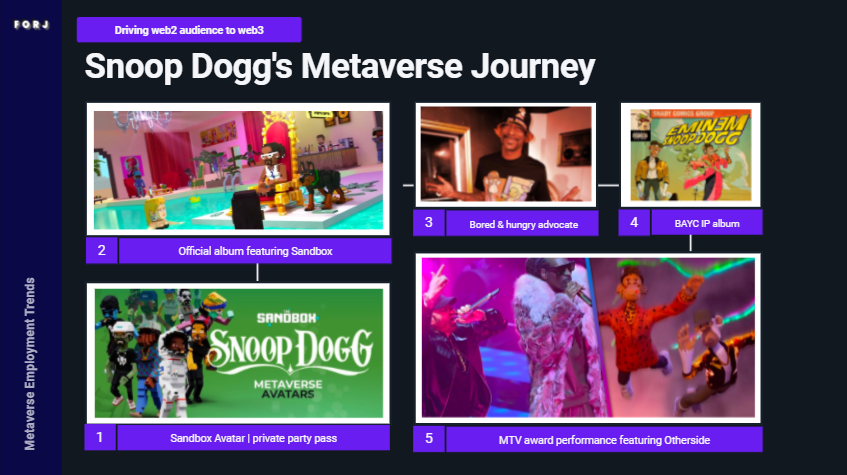
Snoop Dogg hosted a concert in the metaverse, launched a virtual avatar, and released a new album, offering fans a novel experience and gaining a large following in Web3.
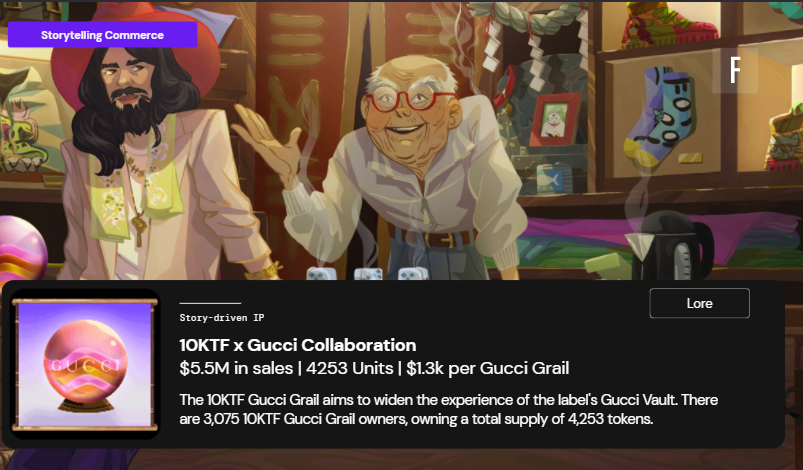
The fusion of metaverse and real-world experiences also creates new opportunities. For instance, 10ktf collaborated with Gucci to launch fashion items.
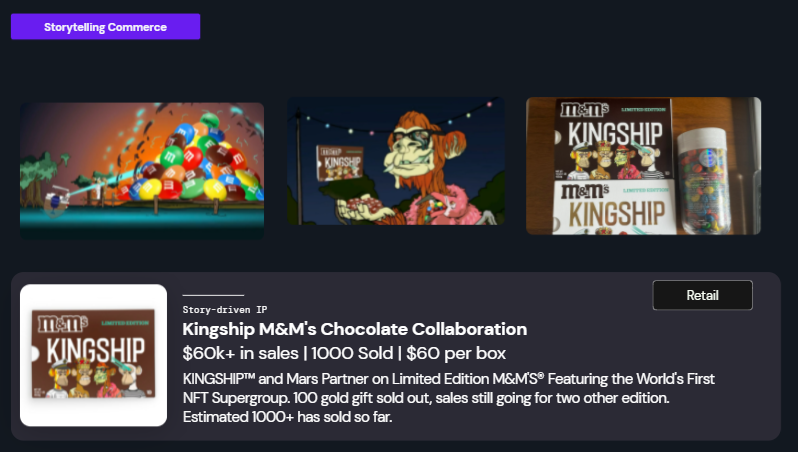
M&M leveraged metaverse IPs to develop new products that became bestsellers.
How many new jobs will brand involvement create? That remains a question worth exploring. But for those seeking entry into the metaverse industry, this trend is positive—it signals greater adoption. The best way to learn is through experience, so we recommend newcomers start by exploring metaverse products firsthand.
Future Trends in the Metaverse
- Cross-metaverse interoperability of assets and storylines;
- Fragmented metaverses;
- Less hype, more development;
- High demand for design and technical services;
- Gradual adaptation of brands and governments to the metaverse;
- Increasing demand leading to labor shortages;
- Lower hardware and software costs driving mass adoption.
Supplement
At the end of the Binance Live session, host MoonlightSt raised several audience questions about the report, which Harry answered in detail:
Q1: Are experience and metaverse familiarity valued more than academic qualifications in metaverse jobs?
A1: A good education does help in landing metaverse jobs, especially for strategic decision-making. Creating an experience is one thing, but considering whether customers will accept it and how to market it effectively requires strategic thinking. Managers need skills in strategic analysis and business planning—areas where formal education plays a key role. So yes, education matters.
Q2: What preparation is needed before entering metaverse work, particularly in terms of skills?
A2: The most important preparation is cultivating the right learning mindset. There are many information sources—choose reliable ones, such as YouTube tutorials or official project courses—and learn step by step. Actively engage with others when facing challenges. Self-learning ability is crucial. When I learned The Sandbox, I started by drawing static characters, then progressed to building scenes and dynamic behaviors, seeking tutorials and friends' help along the way. This process helped me deeply understand the community and The Sandbox, giving me insights beyond formal training—insights that proved invaluable for my future.
Q3: Are there internship opportunities in the metaverse?
A3: Yes, you can search for “internship openings” on LinkedIn or project-specific job boards. And if you’re confident and willing to learn, there are plenty of opportunities in the metaverse!
Q4: How can I access the full version of the report?
A4: Subscribe to Forj Alpha Report to receive the complete report.
Join TechFlow official community to stay tuned
Telegram:https://t.me/TechFlowDaily
X (Twitter):https://x.com/TechFlowPost
X (Twitter) EN:https://x.com/BlockFlow_News
 Forj Network