Apple's Vision Pro launch: Will it revive or destroy Web3 metaverse?
TechFlow Selected TechFlow Selected
Apple's Vision Pro launch: Will it revive or destroy Web3 metaverse?
The more Web3 use cases emerge, the more Apple will be compelled to recognize the importance of users truly owning their assets.
 Navigating Web3 tides with focused insights
Written by: Sander Lutz
Compiled by: TechFlow
The metaverse is dying. Some say it’s already dead. Then Apple showed up.
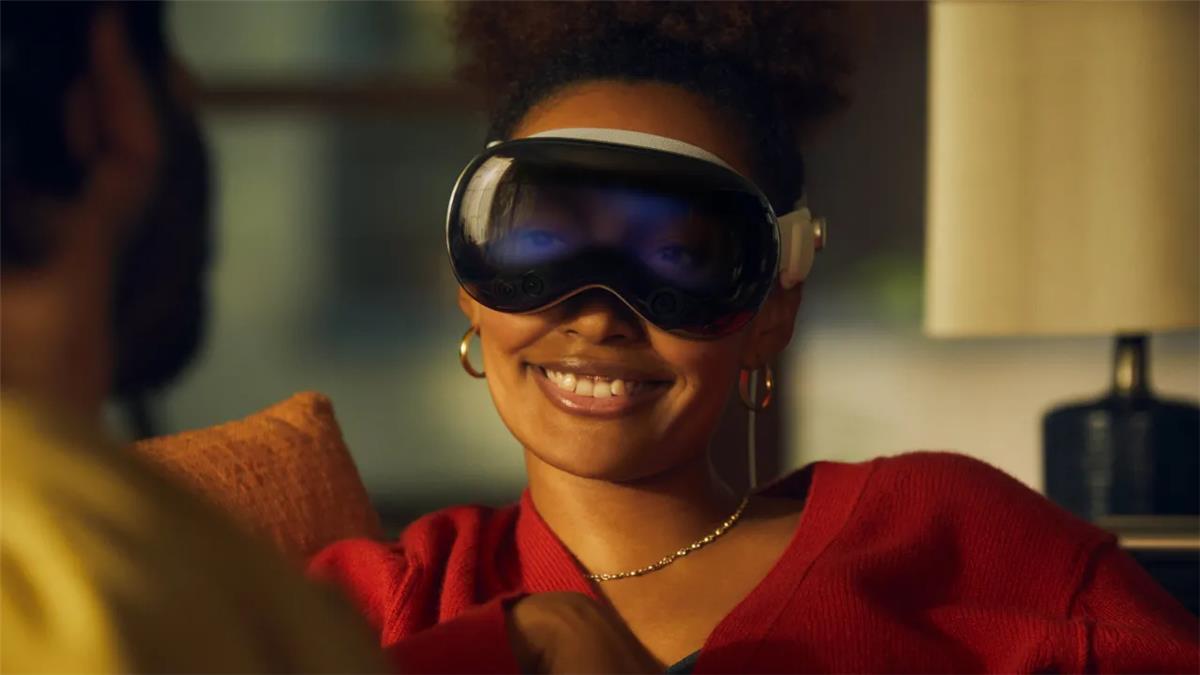
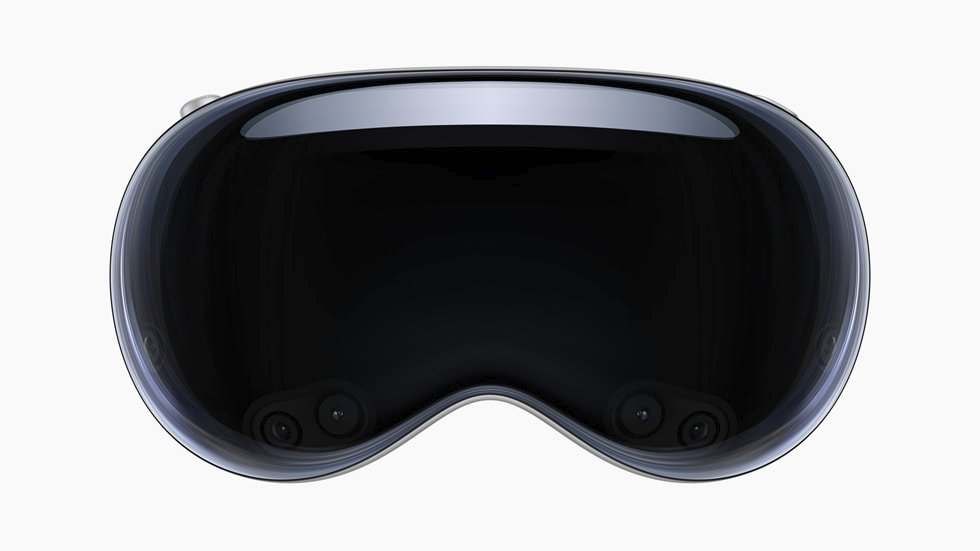
On Monday, the tech giant unveiled its Vision Pro headset—a cutting-edge, immersive mixed-reality device that Apple claims will single-handedly usher in a new era of “spatial computing.”
Throughout its 46-minute presentation, Apple did not once use the term “metaverse.” It made no mention of blockchain or delve into Vision Pro’s compatibility with tokenized digital assets (NFTs)—a seemingly obvious use case for bringing virtual objects to life. Instead, it portrayed the headset as a natural 3D extension of the iPhone or Mac.
Yet in Web3 circles, such signals don’t go unnoticed. Apple can frame its product launch however it likes, but we’re right to assume the world’s most valuable company is entering the metaverse.
“It’s a VR headset, and they didn’t even call it ‘VR,’” Danny Greene, head of Yuga Labs—the parent company of the Meebits NFT brand—told Decrypt. “It’s not fundamentally different from what Meta has been building and talking about—but the positioning is different.”
When Facebook rebranded to Meta in 2021 and quickly poured tens of billions into metaverse infrastructure, the move was met with outrage and outright hostility from many decentralized metaverse builders. Web3 creators have long dreamed of developing a virtual utopia where corporations would finally be forced to relinquish control over user assets and data.
Many of these builders, who identify as advocates of the “open metaverse,” saw Meta’s ambitions as an existential threat to their decentralized dreamworld. Web3 executive and Axie Infinity co-founder Jeff Zirlin described the clash between open metaverse advocates and Meta as “the battle for the future of the internet.”
Yet this week, many Web3 builders welcomed Apple’s announcement as an extremely positive development—one that appears poised to lend much-needed legitimacy to the idea of the metaverse as a viable technological reality.
“With this product, Apple is creating a bridge to mass adoption of the metaverse,” said Brian Evans, founder of Web3 venture studio BDE. “As digital assets become more accessible, Web3 can now become a household term.”
Other open metaverse advocates expressed similar enthusiasm.
“This is 100% good news for The Sandbox and the open metaverse,” said Sebastien Borget, co-founder and COO of the metaverse game “The Sandbox.”
Yemel Jardi, executive director at Decentraland, another prominent decentralized metaverse platform, echoed the sentiment.
“I think this is a positive for the industry,” he said. “The open metaverse needs better hardware. We want better hardware.”
But these platforms typically oppose tech giants like Meta, which seek to act as gatekeepers to metaverse experiences. A defining feature of the “open” metaverse is that digital assets—virtual clothing, items, or data—can freely flow in and out, existing as NFTs or digital collectibles on blockchains rather than being locked within any single company’s platform.
The opposite model is the status quo in gaming today: anything you buy in Fortnite exists only within Fortnite. Many fear Meta will erect similarly walled virtual gardens around its version of the metaverse.
Apple has hinted at openness to letting on-chain assets flow through apps on its devices, though it has made no commitments in its yet-to-launch visionOS app store guidelines.
After years of resisting NFT-integrated apps, Apple last fall officially allowed trading and purchasing of NFTs within iOS apps—but with a significant caveat: the company takes up to a 30% commission on any such transaction, just like other in-app purchases.
That decision drew widespread condemnation in the crypto community. Apple’s current guidelines state that apps must not “use their own mechanisms to unlock… cryptocurrency and crypto wallets.” Developers building NFT-based iOS apps must effectively abstract away the crypto elements and bundle fees into the asset price.
If the Vision Pro becomes the primary way people access the metaverse, Apple will determine how decentralized this novel virtual space can be by controlling which apps are allowed in its visionOS App Store.
For example, numerous factors—including the rapidly deteriorating U.S. regulatory environment for cryptocurrency—could easily pressure Apple’s leadership to ban on-chain assets from the visionOS App Store. And Web3 builders would have no recourse—at least not on the Vision Pro.
Some Web3 metaverse builders, like Justin Mellilo, are addressing these potential issues by ensuring their platforms aren’t limited to Apple alone.
Mellilo is co-founder and CEO of Monaverse, a decentralized metaverse platform and social network. While excited about Apple’s announcement and plans to bring Monaverse to Vision Pro, he remains cautious about making his startup overly dependent on Apple.
“We definitely expect to maintain web accessibility,” Mellilo said. “I think that’s really important for decentralization.”
But what if Apple is right? What if this week truly marks the dawn of the spatial computing era?
This is the double-edged sword of Apple’s entry into the metaverse. After a year of widespread disillusionment with the metaverse, many Web3 creators now seem to pin their hopes on the Vision Pro reigniting interest in the immersive internet.
But the more people get excited about Apple, the more “spatial computing” becomes synonymous with “Vision Pro”—just as “smartphone” became synonymous with “iPhone”—and the more unchecked power Apple will have to decide how decentralized this next version of the internet becomes.
Some open metaverse advocates, like The Sandbox’s Borget, believe Vision Pro will become so saturated with Web3 applications and blockchain-powered experiences that Apple will have no choice but to embrace the technology.
“The more [Web3 use cases] there are, the more Apple will be forced to recognize the importance of users actually owning their assets,” he said.
Judging by reactions to Vision Pro, Borget’s message seems well received in crypto circles: We may need you, Apple, but you also need us. This sentiment certainly marks a shift from the idealistic rhetoric of the early Web3 movement—whose core dream was to weaken centralized Web2 tech giants’ grip on market share and user data by creating a suite of new products and projects controlled by users themselves.
That future hasn’t fully materialized—not yet, at least, not at scale. Perhaps to achieve it, some compromises must be made. Maybe you need a Vision Pro to get the public into the metaverse. And who else could build a Vision Pro if not Apple?
“The strength of crypto and blockchain is that it’s trustless and doesn’t require intermediaries,” said Greene of Meebits. “But when you’re using a VR headset created by a centralized company that spent 10 years and hundreds of millions—or even billions—of dollars on R&D, there’s inevitably some compromise involved.”
Perhaps Web2 giants won’t be destroyed by the Web3 revolution. Maybe they’ll just temporarily join it. But Web3’s key advantage over Web2 has always been staying ahead. The reassuring crypto mantra has long been: “We’re very early.”
Now, it’s no longer early. A $2.8 trillion company is knocking at the door. Once you let it in, who ultimately owns the house?
Join TechFlow official community to stay tuned
Telegram:https://t.me/TechFlowDaily
X (Twitter):https://x.com/TechFlowPost
X (Twitter) EN:https://x.com/BlockFlow_News
 Decrypt