TechFlow Intel: OpenAI Claims to Solve Riemann Hypothesis-Related Math Challenge, Coinbase to Delist Blast
AI / Large Models
OpenAI Publishes 722 Math Manuscripts, Claims to Solve Hundreds of Mathematical Problems Including a "Quasi-Riemann Hypothesis"
The research team states that the o-series model has made breakthroughs on several famous mathematical conjectures, though academic validation remains incomplete. If proven true, this would mark AI's first time advancing pure mathematics frontiers rather than merely assisting with computations.
> Hot Take: The last time AI claimed to solve a math problem was when a student used ChatGPT for homework and got caught by the teacher. We'll see whether this is real or fake once mathematicians stay up all night to verify it.
Mistral Releases Large 4, Sparking Fierce Community Debate
The French team's new flagship model topped HN, garnering 1,868 points and 1,122 comments, with a focus on multilingual capabilities and reasoning. Mistral continues to prove that Europe hasn't fallen behind in the open-source large model race.
Mistral Official | HN Discussion
Princeton Trains 4B Small Model to Play Chess at 2700 Elo Level
The model can not only play chess but also accurately explain the intent behind each move, with no apparent bottleneck even when training halted. The research team claims this methodology is transferable to robotic control and computer operations.
> Hot Take: A 4B parameter model reaches grandmaster level; humans practice for twenty years to equal its few weeks of training. Next time, suggest it directly take the international chess coach certification exam.
GitHub Copilot Security Test Backfires: One Model Refuses to Leak Info, Another Leaks Half the Time
Adversa AI's cryptographic context injection testing reveals massive performance disparities among different Copilot models when facing malicious prompts. Enterprise users should revisit the assumption that "AI coding assistants are secure by default."
Crypto / Web3
Blast Announces Network Shutdown, Coinbase to Delist BLAST on October 20
The L2 project Blast has officially ceased operations, and holders must manage their assets before the deadline. Another "high FDV, low retention" L2 saga comes to an end.
Bitcoin Dips Below $84,000, Tanker Attacks in the Strait of Hormuz Drive Safe-Haven Sentiment
Iranian attacks on tankers are accelerating, causing oil prices to spike and the dollar to strengthen, putting simultaneous pressure on crypto markets. Analysts had previously marked $84,000 as a critical level for seller takeover, with short-term sentiment leaning bearish.
Zcash ETF Backed by Winklevoss Files Nasdaq Listing Application with the SEC
The privacy coin ETF takes another step forward; if approved, it would become another crypto asset to enter traditional financial channels after Bitcoin and Ethereum. Whether the privacy narrative can stage a comeback from this remains to be watched.
Onyx Treasury Transfers 620M XCN; Blockaid Flags Attack While Project Team Claims Migration
The project team claims they executed a migration proposal promoted earlier, but security firms and the community dispute whether the attacker's address has been verified. For large on-chain asset movements, the first question always remains: is this governance or theft?
Chips / Hardware
SpaceX Plans $40B Nvidia Chip Purchase Led by Apollo Financing
The debt financing is led by Apollo to stockpile computing power for AI infrastructure. Musk has also wagered the rocket company's balance sheet on the AI arms race.
Memory Chips Enter Super Cycle: Formosa Interconnect Raises Prices Up to 20%, Samsung Profit Surges 770%
AI demand is squeezing DRAM supply, with Samsung's Q3 profit expected to surge 770% year-over-year. Morgan Stanley estimates Nvidia has already secured approximately 37.3% of global HBM supply for 2027.
> Hot Take: Memory chip makers likely feel "finally it's my turn." Tortured by industry cycles for the past decade, AI has now turned DRAM into the new gold.
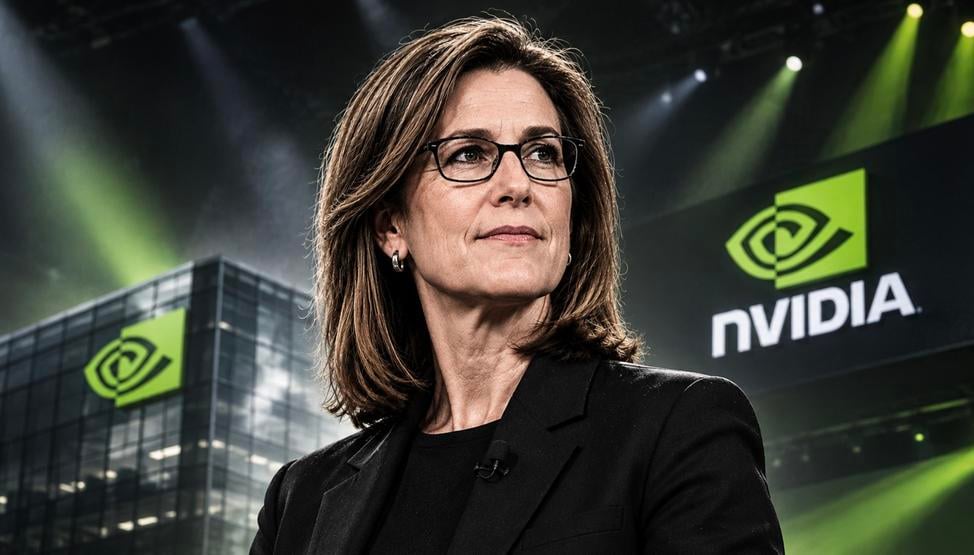
Lisa Su: Memory Supply Remains Tight, AMD to Significantly Expand Production and Increase Taiwan Investment
AMD CEO met privately with TSMC, confirming additional investment in the billions while acknowledging that memory bottlenecks cannot be resolved in the short term. The war for AI chips has now reached the upstream supply chain.
Tech Companies
Yu Chengdong: Huawei Forced to Raise Prices, Component Cost Increases Exceed $200 Per Device
CEO of Huawei Consumer Business Group stated plainly that surging component prices have hit the survival line. This is the most direct signal of the memory super cycle transmitting to the consumer market.
Hackers Obtain Forged TLS Certificates for Google and Other Major Services
Ars Technica reports that attackers have obtained forged certificates targeting mainstream services, meaning HTTPS encrypted connections could be vulnerable to man-in-the-middle attacks. The foundational trust of infrastructure security is being challenged.
"People Don't Search Anymore, They Ask AI, and AI Doesn't Know I Exist"
A Reddit post resonated with 470 votes: traffic for independent developers and content creators is being swallowed by AI answers, fundamentally altering the distribution logic of the search ecosystem.
Nobel Laureate Economist Acemoglu: The Math on a 5% Layoff is Backwards
Critiquing the view that "a 5% productivity gain outweighs a 5% automated layoff," he argues that businesses overestimate the benefits of AI replacing human labor while underestimating the loss of organizational knowledge.
Apple Tightens Full Disk Access Permissions to Prevent AI Agent Abuse
The new security policy restricts the scope of local file access for AI assistants, addressing recent concerns about AI agents excessively reading user data.
US Stocks
Treasury Sell-Off Pauses, Tech Stocks Bolster Index Record Highs, Nuclear Stocks Soar Together
The AI infrastructure narrative continues to spill over into nuclear energy, making the nuclear sector a new outlet for capital. Gold rose over 1%, while crude oil staged a V-shaped rebound.
Market Focus Shifts to Earnings Season, S&P and Nasdaq Hit New Highs
China Securities News reports that after macro pressures ease, investors are beginning to bet on tech stocks' Q3 performance. The earnings season will verify whether AI capital expenditures truly translate into profits.
Finance / Macro
Iraq Announces 13% Currency Devaluation Due to Disrupted Hormuz Shipping
Oil exports plummeted from nearly 3.5 million barrels per day last year to 1.25 million today, costing roughly $80 billion. The chain reaction from the disruption of the global energy chokepoint is spreading to sovereign currencies.
PBOC Continues Gold Purchases for 23rd Consecutive Month, Adds 23 Tons in September
Total reserves reached approximately 2,409.59 tons. Against a backdrop of geopolitical turmoil and pressure on the dollar system, there are no signs of the official gold buying pace slowing down.
German Transport Minister Publicly Pushes for Tesla FSD Approval in Europe
The minister stated at a Berlin conference that they will push for FSD coverage across the EU. If EU negotiations fail, Germany will explore an independent approval route. This marks a significant shift in the regulatory stance of major European countries toward autonomous driving.
Today's Undercurrent
There is a hidden thread in today's news: AI's frantic expansion is gnawing downward from the "software layer" into the "physical layer." SpaceX borrowing $40 billion for Nvidia chips, Samsung DRAM profits surging 770%, Huawei phones forced to raise prices due to storage cost hikes, Iraq devaluing currency due to shipping disruptions—AI's hunger for compute power has already transmitted to memory, energy, shipping, and even the stability of sovereign currencies. On the same day, OpenAI claimed to solve Riemann-hypothesis-like mathematical problems, while Blast announced its network shutdown.
Viewing these two events together is even more interesting: one proves AI can solve humanity's most abstract intellectual challenges, while the other reminds us that projects in the crypto space rapidly inflated by capital yet lacking real demand will inevitably clear out. Technological faith and speculative bubbles coexist within the same 24 hours. As AI begins consuming every DRAM module, every kilowatt-hour of electricity, and every tanker's capacity in the physical world, the real question isn't "what can AI do?" but "does this world have enough resources to sustain AI's continued expansion?" Blast's shutdown is not bad news; it is a signal that the industry is starting to conserve resources.
Join TechFlow official community to stay tuned
Telegram:https://t.me/TechFlowDaily
X (Twitter):https://x.com/TechFlowPost
X (Twitter) EN:https://x.com/BlockFlow_News
 深潮TechFlow