AMC CEO Slams Robinhood, Yet a $100M+ Market Cap MEME Emerges On-Chain
By angelilu, Foresight News
On the evening of September 3, AMC Theatres CEO Adam Aron lashed out on X against Robinhood for issuing tokenized AMC shares without permission, using terms such as “despicable,” “outrageous,” “disgusting,” “detestable,” “unforgivable,” and “treacherous,” while stating that external securities lawyers had been brought in. Robinhood CEO Vlad Tenev replied with only four words: “What’s the concern?”

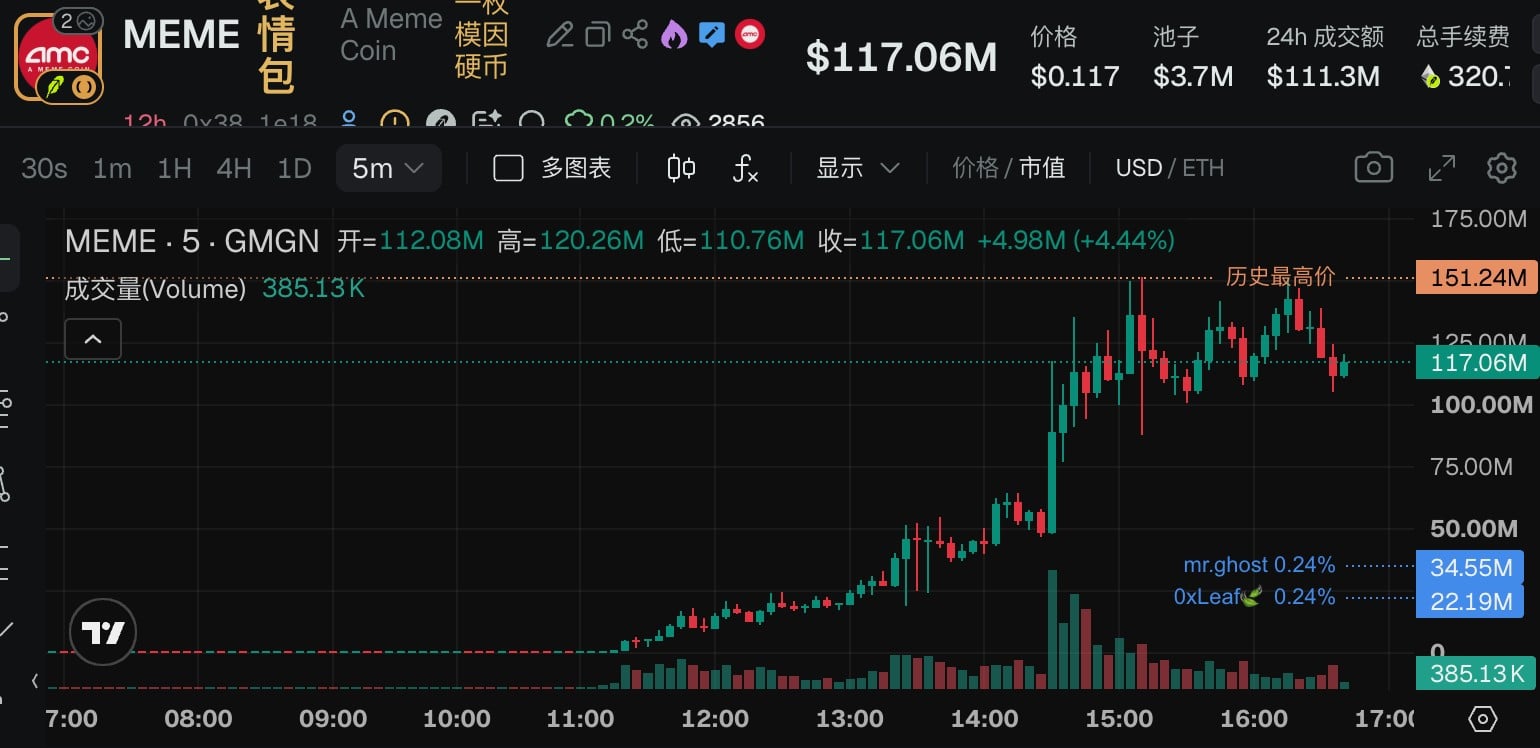
Almost simultaneously, a token called MEME went live on Robinhood Chain, paired precisely with tokenized AMC. According to GMGN market data, within 12 hours of listing, its market cap surged from zero to over $150 million. By the time of publication, the market cap had pulled back to around $100 million, with a 24-hour trading volume of $115 million.
The Target of the Criticism is a “Stock” Without Shareholder Rights
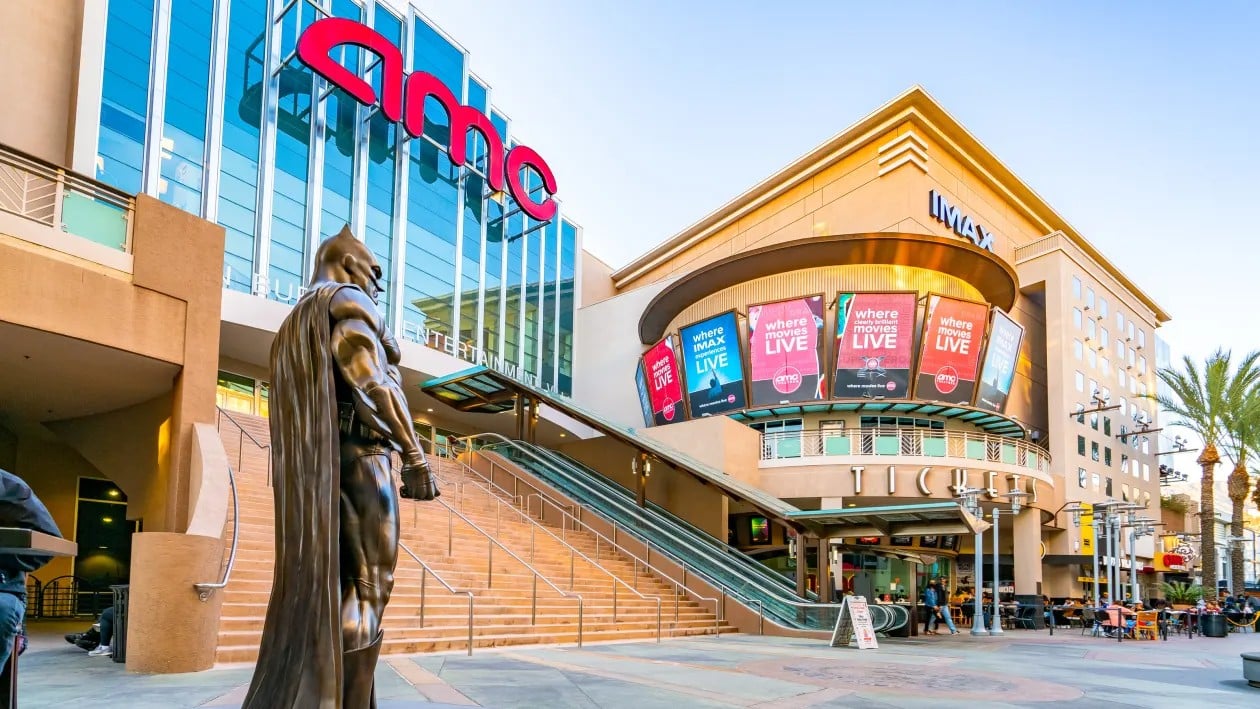
Some may still be unfamiliar with AMC. Founded in 1920, AMC Theatres is headquartered in Leawood, Kansas, USA, operating approximately 898 cinemas and 10,059 screens worldwide. It is the world’s largest theatre operator and is publicly listed on the NYSE (NYSE: AMC).
As of the market close on September 3, AMC’s stock price stood at $2.54, with a market cap of $2.27 billion. In other words, the market cap of a meme coin that had been live for just 12 hours already amounted to roughly 6% of the century-old company it referenced.
The subject of contention between the two CEOs is Robinhood’s tokenized stocks. On July 1, Robinhood launched its proprietary L2 network, Robinhood Chain, initially rolling out 95 tokenized U.S. stocks issued by offshore entities such as Jersey. These instruments provide price exposure similar to actual stocks but do not confer equity, voting rights, or ownership. They are not available to U.S. investors and are not registered under U.S. securities law.
Aron’s allegations consist of four points: Robinhood is a U.S. company yet operates this in an offshore jurisdiction to bypass U.S. regulation; this “fictional synthetic equity market” could undermine the company’s own fundraising capacity; what investors receive lacks genuine shareholder rights; and ultimately, it exacerbates public distrust in financial markets. He demanded that Robinhood voluntarily halt trading of tokenized AMC shares, warning that he would otherwise assess whether to force a suspension and report the matter to the SEC, while emphasizing that AMC is “completely unrelated and absolutely does not endorse” this initiative.
Robinhood’s stance has remained unchanged: Stock Tokens are derivative contracts that provide economic exposure, and holders hold no legal or beneficial rights to the underlying company. Aside from Tenev’s rhetorical question, the company has not issued a formal statement regarding the allegations.
The Surge is Fueled by a MEME Narrative Built on the CEO’s Wrath
The official account for MEME, @amemecoinrh, has a single narrative: “The cinema chain is just a cover; it has always been A Meme Coin.” This reinterprets the acronym AMC as A Meme Coin.
This meme has teeth because Aron himself was one of the biggest beneficiaries of its meme-ification. In January 2021, AMC’s stock plummeted to a historic low of $1.91, weighed down by over $5 billion in debt and nearing bankruptcy restructuring. Precisely because it appeared poised to collapse, it became a short target for hedge funds, with short interest briefly reaching around 25% of outstanding shares.
Retail traders on the Reddit forum WallStreetBets seized on this opportunity, pooling their resources to buy in and heavily purchasing call options. This forced market makers to buy underlying shares to hedge their exposure, creating a dual push from short covering and gamma squeezes: on January 27, it surged 301% in a single day, hitting an intraday all-time high of $72.62 on June 2. Riding this wave, Aron proceeded with continuous equity offerings, raising approximately $2 billion over the year and pulling the company straight back from the brink of bankruptcy.
(Note: AMC completed a 1-for-10 reverse stock split and merged APE shares on August 24, 2023. The aforementioned figures reflect actual transaction prices at the time and are not directly comparable to today’s $2.54 stock price.)
His posture at the time was one of full embrace: retail traders dubbed themselves the “Apes,” called him the “Silverback,” and he even donated $50,000 to a gorilla conservation fund—a nickname that remains attached to his Twitter bio to this day.
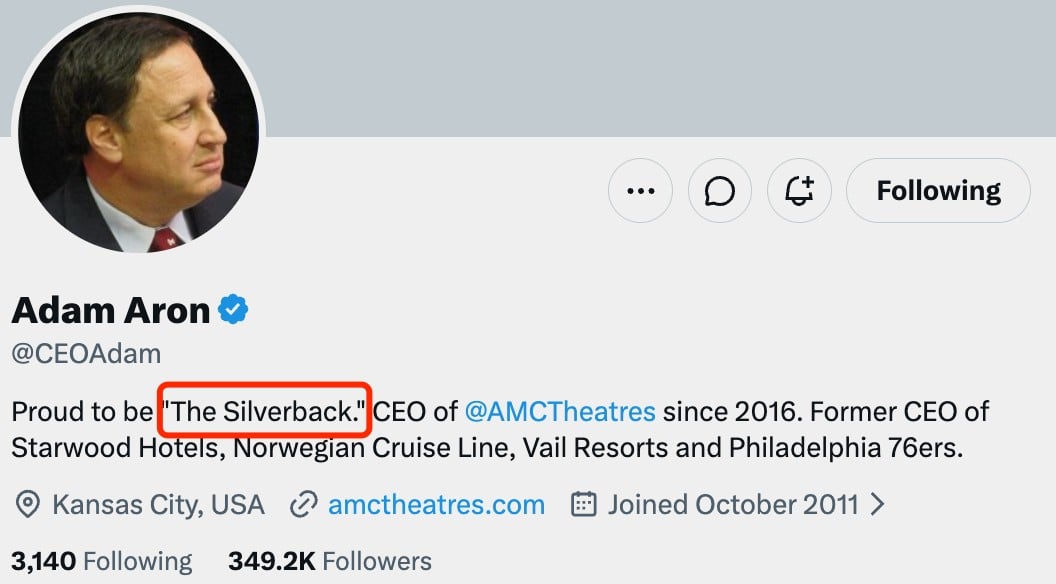
He is also hardly unfamiliar with crypto itself. In November 2021, AMC began accepting BTC, ETH, BCH, and LTC for movie tickets. In January 2022, Aron launched a poll on X to gauge whether to add Dogecoin, which garnered approval from over two-thirds of voters. By April of that year, AMC’s mobile app officially supported Dogecoin and Shiba Inu payments via BitPay. In other words, he welcomed meme coins for buying popcorn, but opposed turning his equity into a synthetic product—he drew a very clear line here. This conflict should not be simplistically portrayed as a “traditional CEO who doesn’t understand on-chain culture.”
Robinhood played a role in that story as well. On January 28, 2021, it briefly restricted users from buying GME and AMC, allowing only sales, which retail traders viewed as original sin. Robinhood claimed the move was necessary because its clearing firm raised capital requirements to manage volatile, highly leveraged stocks, forcing the restriction on certain purchases. Tenev appeared at a congressional hearing to apologize for it. Five years later, the same company, the same stock, arguing again in a new format.
Rallies like this are always accompanied by wealth stories. According to Lookonchain data, one address spent $2,972 to buy 16.11 million MEME tokens, generating over $2.1 million in unrealized profits in less than 12 hours—a 713x return. Frank, founder of the NFT project DeGods, spent $1,491 to buy 11 million MEME tokens, with his position briefly exceeding $1.2 million—a return of approximately 810x.
After the Rant, AMC’s Own Stock Rose 18%
The real AMC stock rallied on its own. In pre-market trading on September 4, AMC rose over 15%, trading at $2.94, implying a market cap back to roughly $2.7 billion. This public accusation, framed in the name of “protecting investors,” had the most immediate short-term effect of driving an attention rally for AMC itself—the logic is almost identical to 2021, except this time the spark was lit by the CEO himself.
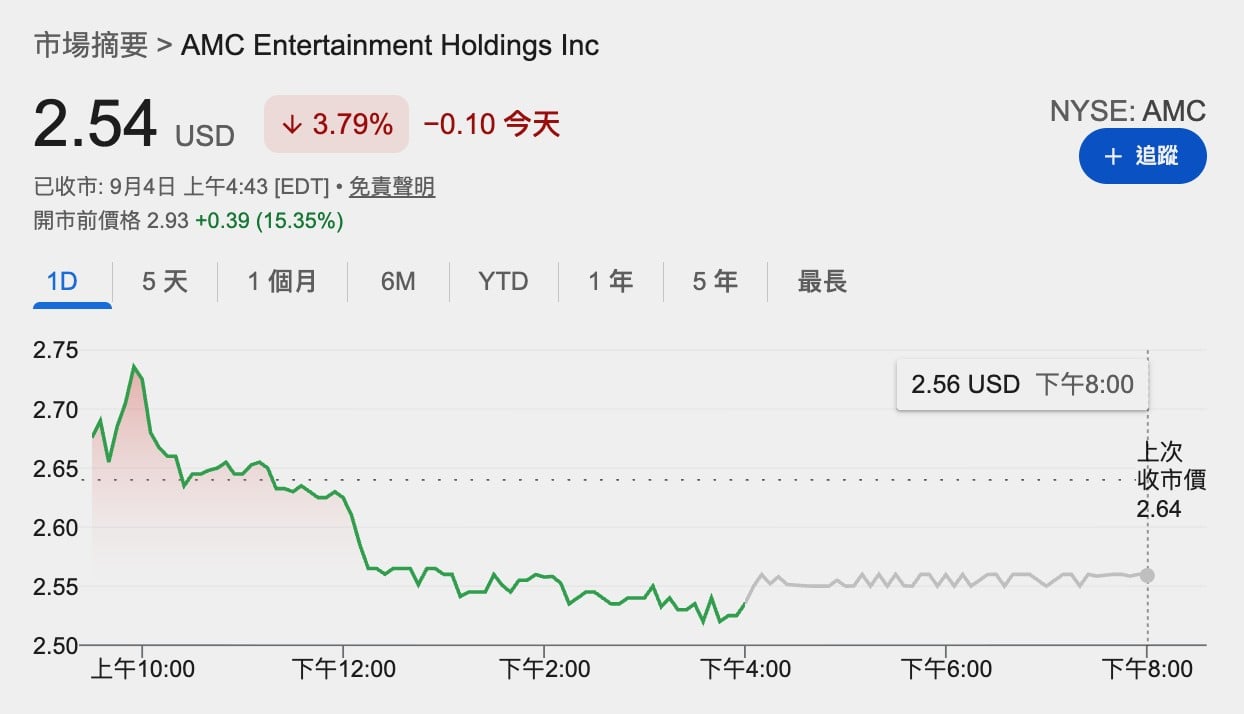
From a legal standpoint, AMC has merely engaged lawyers for an investigation; whether it will sue or whether it can actually stop the issuance remains unanswered, especially since the offshore issuance structure is specifically designed to circumvent such jurisdiction. On the market front, MEME is just one of many AMC-related meme coins on Robinhood Chain, embodying the classic “controversy equals alpha” dynamic: conflict generates narrative, and narrative drives liquidity.
Join TechFlow official community to stay tuned
Telegram:https://t.me/TechFlowDaily
X (Twitter):https://x.com/TechFlowPost
X (Twitter) EN:https://x.com/BlockFlow_News
 Foresight News