Unexpectedly Weak Non-Farm Payrolls Drive 11% BTC Rebound, FOMC Minutes to Test This Narrative
TechFlow Selected TechFlow Selected
Unexpectedly Weak Non-Farm Payrolls Drive 11% BTC Rebound, FOMC Minutes to Test This Narrative
Whether Bitcoin's current rebound can continue hinges on Wednesday's Federal Reserve FOMC minutes.
 Navigating Web3 tides with focused insights
Author: CryptoSlate
Compiled by: TechFlow
TechFlow Insight: Bitcoin has just rebounded 11% from a 21-month low, but the foundation of this rally is merely a weak jobs report. Wednesday's Federal Reserve minutes will reveal whether officials are truly as concerned about an economic slowdown as the market expects; this document will determine whether $64,000 can hold or if it will fall straight back to $58,000.
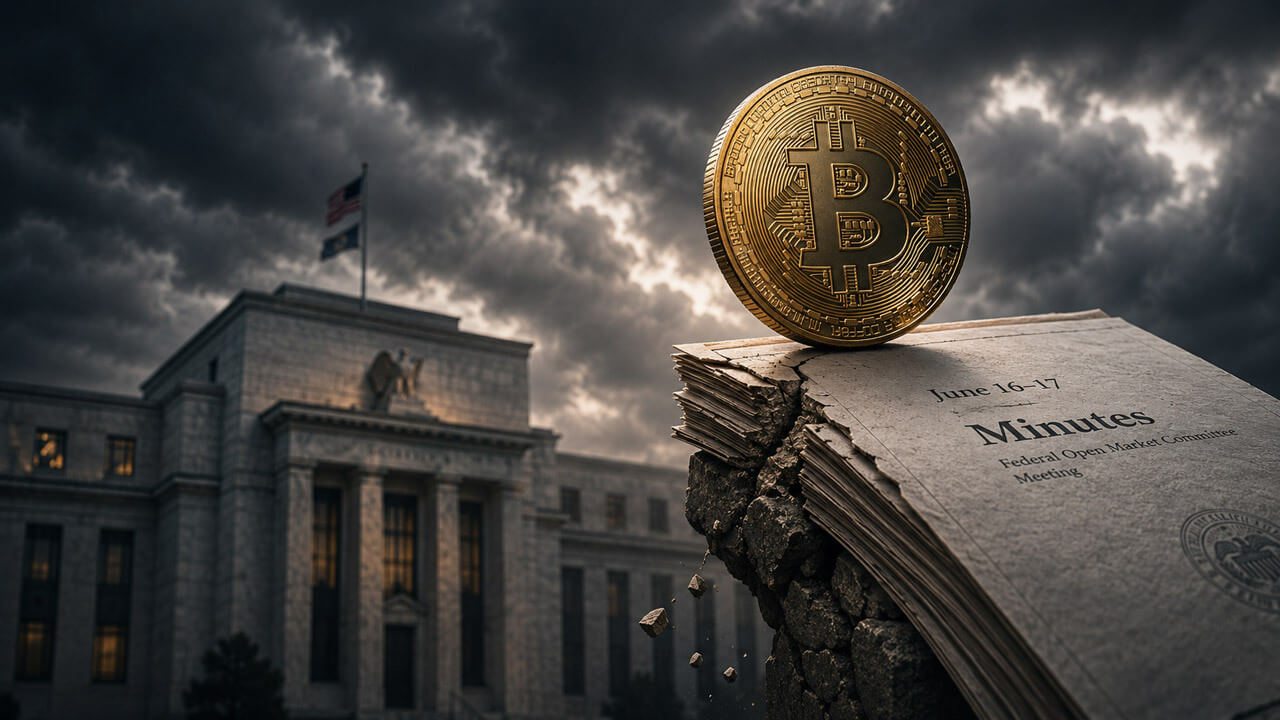
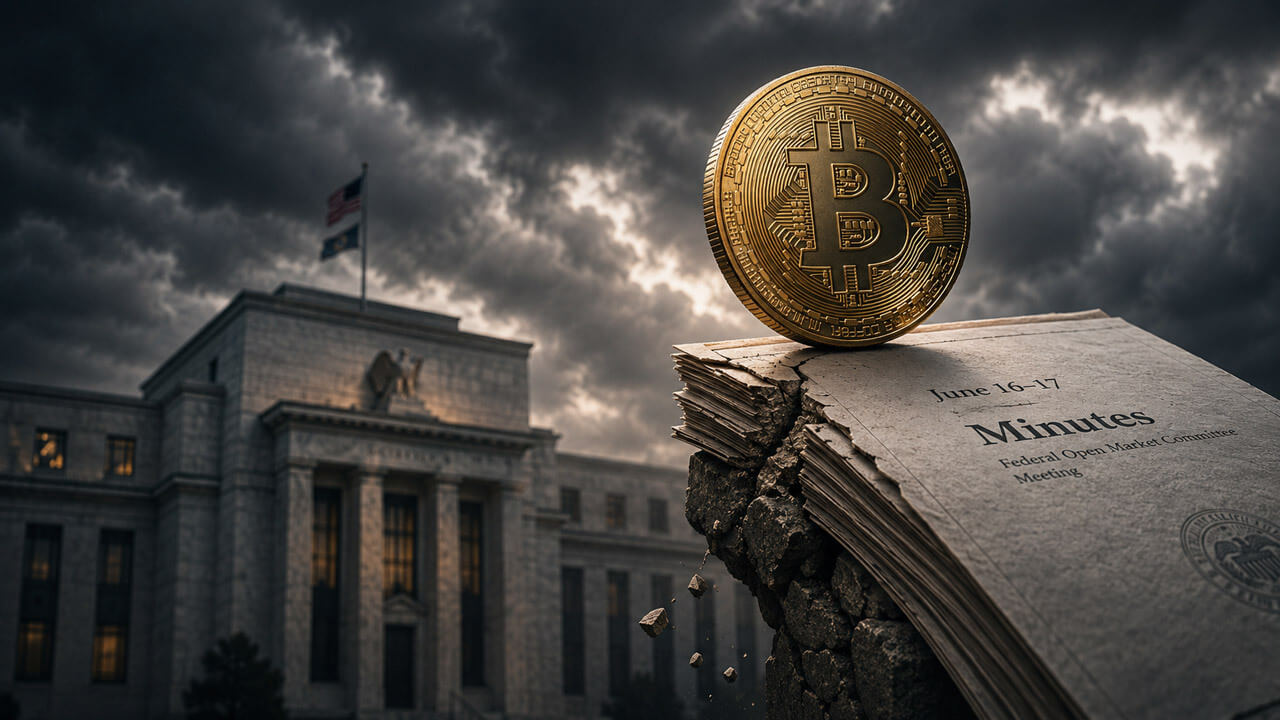
Bitcoin has rebounded 11% from the 21-month low touched on July 1, but whether this rally can sustain depends entirely on the June 16-17 minutes released by the Federal Reserve at 2 p.m. (Eastern Time) on Wednesday.
Traders bought into this rally based on a macro assumption: a weakening U.S. labor market limits the time the Federal Reserve can remain hawkish. The minutes are the first complete record of internal discussions since Kevin Warsh became Chairman, and will show whether officials were already aware of this issue in mid-June—weeks before the jobs data that triggered this rally was released.
This answer matters significantly. On Tuesday, Bitcoin traded near $64,000, up nearly 11% from the low below $58,000 set on July 1, with single-day volatility exceeding $3,400 on Monday, oscillating violently between $61,250 and $64,659.
This rally began with Thursday's U.S. jobs report, showing employers added only 57,000 positions in June, about half of economists' expectations. Weak labor data prompted traders to cut bets on another rate hike; Bitcoin rose alongside gold and stocks, described by Barron's as a repricing of U.S. interest rates.
Bitcoin Market Repriced Before Seeing Federal Reserve Reasoning
The June meeting gave almost no positive signals to the crypto market at the time. Officials kept interest rates at 3.50%-3.75%, deleted wording previously hinting at a rate cut soon, and adjusted the 2026 median forecast to at least one more rate hike. Bitcoin fell towards lows over the next two weeks as the market expected tighter policy for longer.
But the jobs report changed everything. Besides the overall data missing expectations, the U.S. Bureau of Labor Statistics (BLS) also revised down employment numbers for April and May by a combined 74,000 jobs; the unemployment rate dropping to 4.2% was merely because about 720,000 people exited the labor force, causing the labor force participation rate to fall to 61.5%.
Traders reacted by pushing back rate hike expectations: CME FedWatch pricing currently shows a probability of about 76% that the Federal Reserve will keep rates unchanged at the July 28-29 meeting, and a probability of about 40% for a rate hike by December.
If Wednesday's minutes show officials were already warning about risks of a weak labor market, tight credit, or overtightening, the market's dovish turn will gain support, and the rally will have a foundation.
If the discussion focused on persistent inflation and conditions for another rate hike—as Warsh has stated in public—then this rally loses its main pillar. Bitcoin has already priced in substantial easing, so if the document content falls short of the market's dovish expectations, it will be enough to pressure prices. The threshold for disappointment is low because the rally came too early.
One Day of Capital Inflows and 49,000 BTC in New Exchange Supply
From an ETF perspective, this rally is equally fragile. U.S. spot Bitcoin ETFs absorbed $223 million on Thursday, the largest single-day inflow since May, ending a 10-day divestment tide that lost $2.73 billion.
Stopping the bleeding in a single trading day did not reverse the trend: these products have lost nearly $8.5 billion since early May; institutional demand requires consecutive days of inflows to make the divestment look like an entry opportunity in the data.
On-chain capital flows add further caution. When prices returned above $60,000, whale-sized exchange deposits reached about 49,000 BTC, increasing supply that could be sold when prices rise after the minutes are released.
Options positions are concentrated in the same area; dealers' gamma is clustered at $60,000 and $62,000; these levels could lock prices or accelerate declines, depending on the direction of the breakout.
Holding the $62,000 area after the minutes are released will keep the rally intact; breaking through near Monday's high of $64,700 will confirm the rally. Falling back to $58,000 will mark the jobs-data-driven rally as a failed bear market rally; this bear market began with the all-time high of $126,198 set last October.
Bitcoin's 11% rally is built on speculation about the content of the Federal Reserve officials' closed-door meeting three weeks ago. Wednesday afternoon will replace speculation with the transcript; the gap between the two will determine the price direction.
Join TechFlow official community to stay tuned
Telegram:https://t.me/TechFlowDaily
X (Twitter):https://x.com/TechFlowPost
X (Twitter) EN:https://x.com/BlockFlow_News
 @CryptoSlate