Why does Wall Street think Micron is the next NVIDIA?
TechFlow Selected TechFlow Selected
Why does Wall Street think Micron is the next NVIDIA?
Has the cyclical curse of the storage chip industry really been broken?
 Navigating Web3 tides with focused insights
Author: Kirsten Korosec
Compiled by: TechFlow
TechFlow Editor's Note: Micron's stock price surged 236% in one month, with its market cap once surpassing Meta and Tesla, approaching $1.27 trillion. The frenzied demand for memory chips from AI data centers has created a supply crisis of 'RAMageddon' proportions, with Micron's Q3 revenue quadrupling year-over-year to $41.45 billion. Wall Street is betting it's the next Nvidia, but has the cyclical curse of the memory chip industry really been broken?
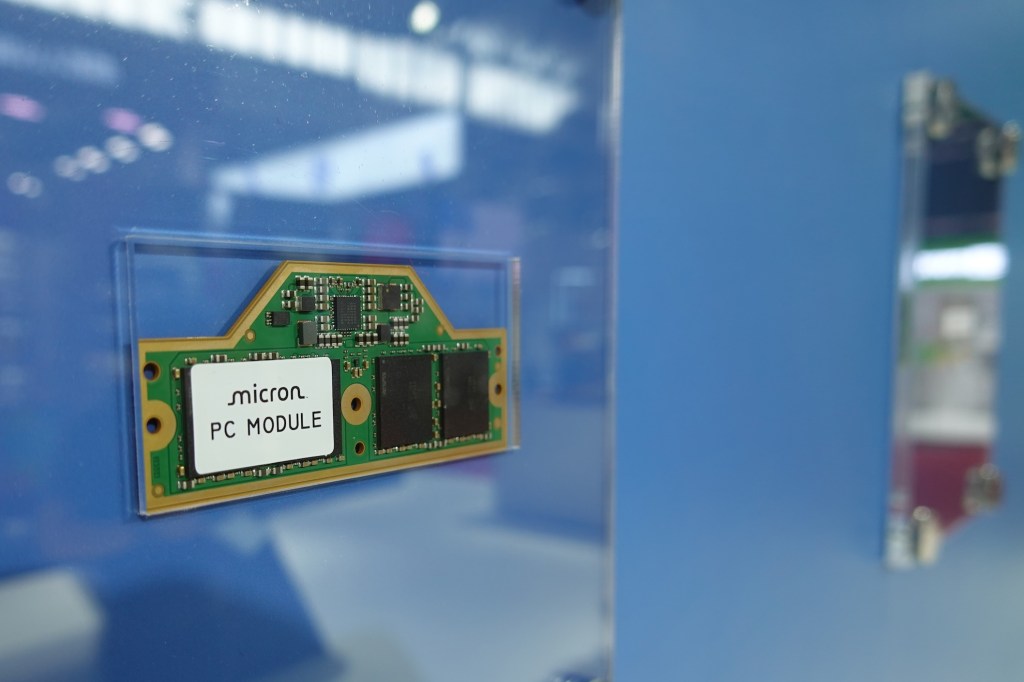
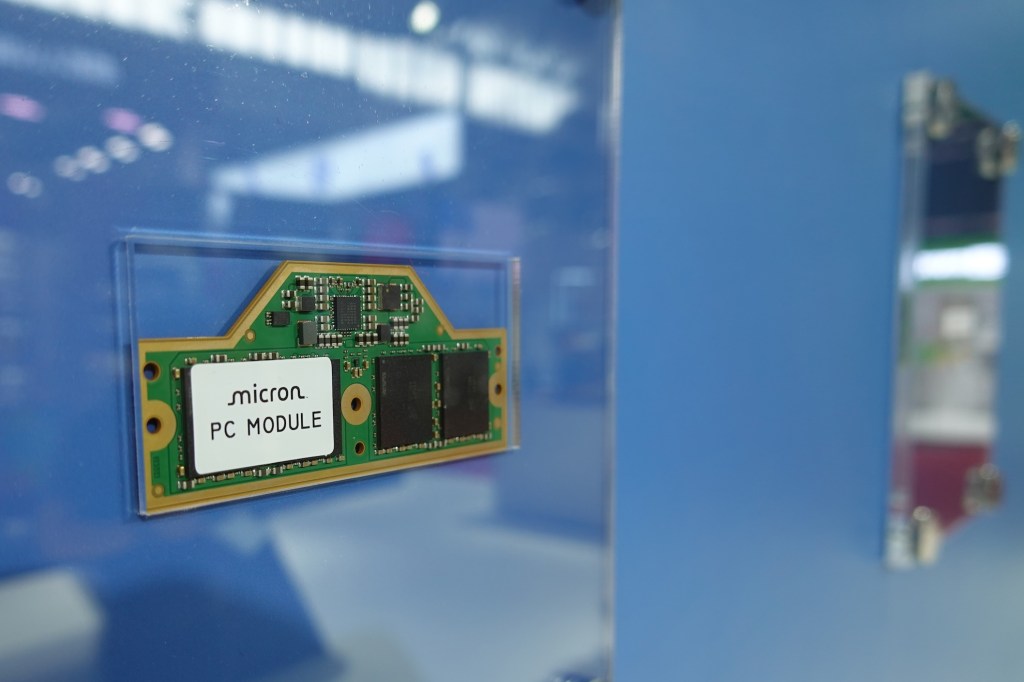
Caption: Source CFOTO/Future Publishing via Getty Images
Micron, a memory chip manufacturer headquartered in Boise, Idaho, has become Wall Street's new favorite. How long this honeymoon lasts largely depends on how long the AI-driven shortage of memory chips can be sustained.
Micron claims it is prepared for long-term stability, able to withstand even a sudden drop in demand or oversupply. Wall Street is buying it. Last Thursday, Micron's market cap once surpassed Meta and Tesla, and although it retreated slightly on Friday, it remains close to these two giants.
Specifically, Micron closed Friday with a market cap of approximately $1.27 trillion, Meta at $1.39 trillion, and Tesla at $1.42 trillion. Micron's stock price soared over 236% in the past month, closing at $1,132 per share on Friday. For comparison, before mid-2025, this stock often hovered below $100.
For a company that most consumers still remember as making 'little cards for expanding memory in computers and phones', this surge is dizzying.
AI Devours Memory Chips
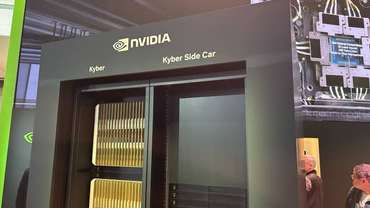
Wall Street is not looking at consumer-grade product lines. Micron benefits from the system-level memory chip shortage triggered by the AI data center construction boom, including DRAM, NAND, and High-Bandwidth Memory (HBM). A single AI server requires dozens to hundreds of times more memory than a standard laptop.
AI system vendors like Nvidia, as well as hyperscale cloud providers building their own systems such as Microsoft, Amazon AWS, Google, Meta, and Oracle, are all purchasing memory chips in large quantities. This forces all other companies needing storage to stockpile as well, from PC manufacturers like Dell and HP to various end-device manufacturers.
This supply shortage even has its own name: RAMageddon. It is predicted that the shortage will last until 2027. Moreover, it is already driving up prices for consumer electronics, including Apple products and Xbox game consoles.
Explosive Q3 Results: Revenue Quadruples, Profit Surges 14-fold
The entire tech industry is scrambling for memory chips, and Micron's third-quarter earnings report released last week was nothing short of explosive. Revenue quadrupled year-over-year, reaching $41.45 billion. Profit soared from $1.88 billion in the same period last year to $28.2 billion. The company also provided optimistic guidance for the next quarter, expecting Q4 revenue to be between $49 billion and $51 billion.
Wall Street has been looking for more listed companies that can replicate Nvidia's trajectory, and seeing this report card, they are even more excited.
The Old Problem of Memory Chips: Boom Followed by Bust
Memory chip manufacturers face a historic dilemma: building factories and expanding production is both slow and expensive. By the time capacity finally comes online, demand has often turned downward, leading to oversupply and plummeting prices. Both Micron and Samsung have suffered from this before.
This time, Micron has proactively addressed market concerns about an AI bubble burst. The company emphasized that it has signed a series of long-term supply agreements, with partners including Nvidia and AI lab Anthropic. In the earnings presentation, Micron stated it has signed 16 strategic customer agreements covering data centers, consumer electronics, and automotive markets, and the company believes these agreements will fundamentally change its business model.
This has convinced many analysts. William Blair technology analyst Sebastien Naji pointed out in a research report that the growth rate of demand continues to exceed the speed at which new capacity comes online. He maintained an 'Outperform' rating for Micron, reasoning that the average selling price of memory chips is still expected to rise in the coming quarters, plus the revenue visibility brought by the continuous expansion of long-term agreements, Micron's profit growth may be more sustainable than in the past.
Whether Micron can truly break the cyclical curse of the memory chip industry still needs time to verify. But at least at that moment last Thursday, the market cap of this American company did indeed surpass some tech giants.
Join TechFlow official community to stay tuned
Telegram:https://t.me/TechFlowDaily
X (Twitter):https://x.com/TechFlowPost
X (Twitter) EN:https://x.com/BlockFlow_News
 TechCrunch