TechFlow Logo
Login/ Sign up
ETH Gas
Gwei
Fear
gas
Taxes eat more than half the profits? 3 legal profit protection strategies for crypto whales

Taxes eat more than half the profits? 3 legal profit protection strategies for crypto whales

2025.08.27
Share

TechFlow Selected TechFlow Selected

techFlow

Taxes eat more than half the profits? 3 legal profit protection strategies for crypto whales

Wealthy investors rarely sell cryptocurrency directly.

2025.08.27 - 11:06:47
巨鲸
Wealthy investors rarely sell cryptocurrency directly.

By: JetStart

Translated by: Chopper, Foresight News

If you sell cryptocurrency the wrong way, over half your profits could go straight to taxes. Imagine earning $200,000 and having to hand $110,000 directly to the IRS. Here’s how wealthy investors legally keep their profits.
When you make big money, you face big problems. Banks will question every transaction, tax authorities will monitor your every move. Even buying a car or a house could turn into a nightmare. Without proper planning, your profits can vanish quickly.

Strategy One: Borrow Instead of Selling

Use your Bitcoin or Ethereum as collateral to borrow cash or stablecoins. This way, you unlock capital without touching your holdings.
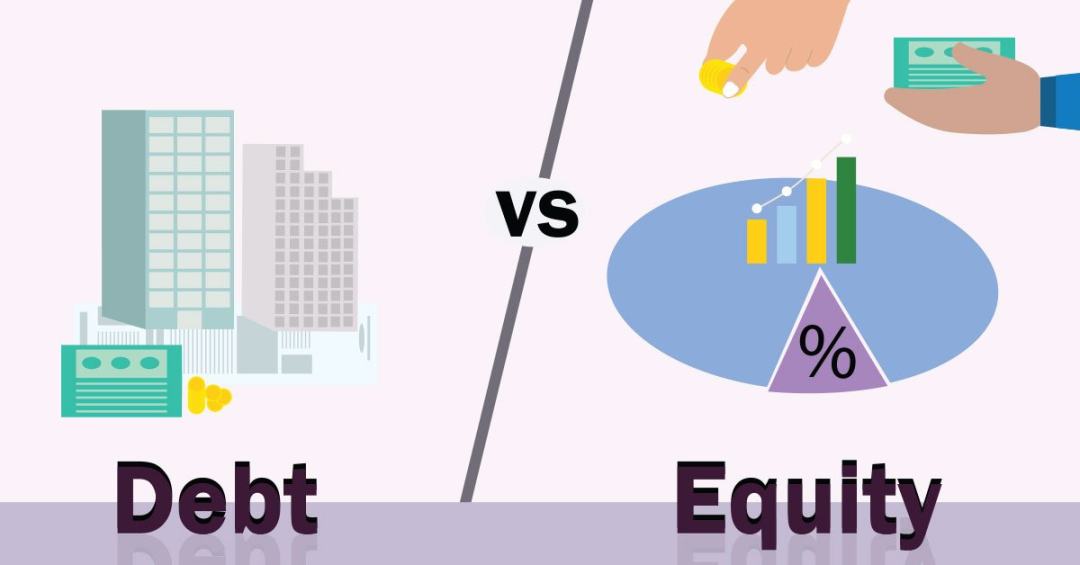
Example: $1 million in Bitcoin, at a 30% loan-to-value ratio, allows you to borrow $300,000. You maintain your position while accessing tax-free funds.

The reason this works is simple: loans are not considered income.

When you borrow, the IRS does not treat it as a taxable event. Your cryptocurrency remains under your control, avoiding capital gains tax.

Majors use low loan-to-value ratios to borrow safely.

Strategy Two: Relocate Before Selling

Different countries have different tax rules for cryptocurrency gains. Moving to one of these locations before cashing out could save millions in taxes.
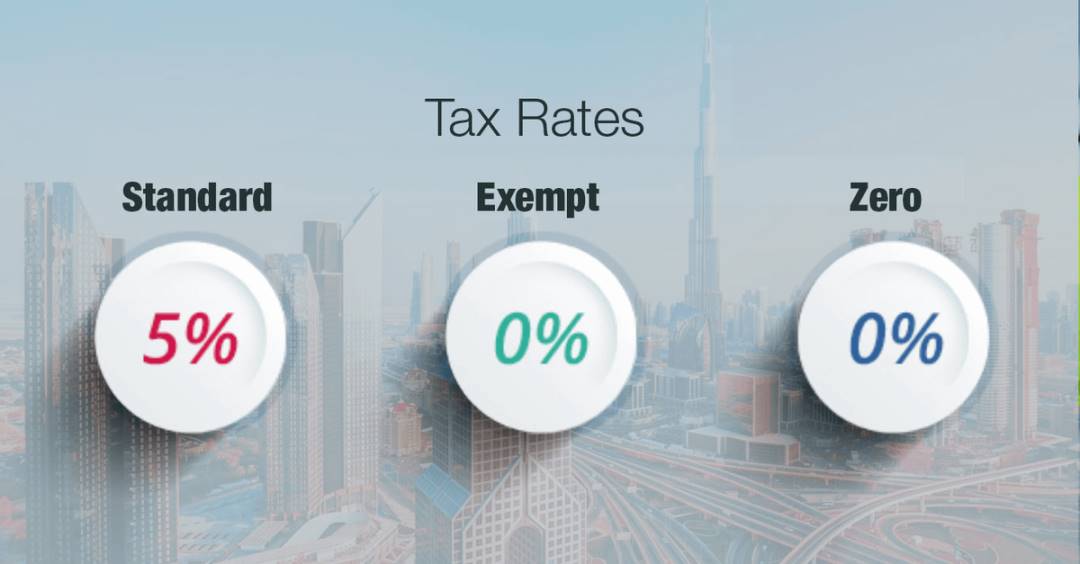
Popular choices include Puerto Rico (under Act 60, 0% tax rate) and the UAE (no income or capital gains tax).

Strategy Three: Use Offshore Entities

Establish a company in tax-free jurisdictions such as the Cayman Islands, British Virgin Islands, or Seychelles. Hold cryptocurrency through the company rather than personally. When the company sells crypto, your personal capital gains tax is not triggered. If structured correctly, this method is entirely legal.

You don’t need to withdraw profits personally—your offshore company can lend the funds to you. Loans are not treated as income, so no tax is due. You can use these funds to buy real estate, pay salaries, or invest.
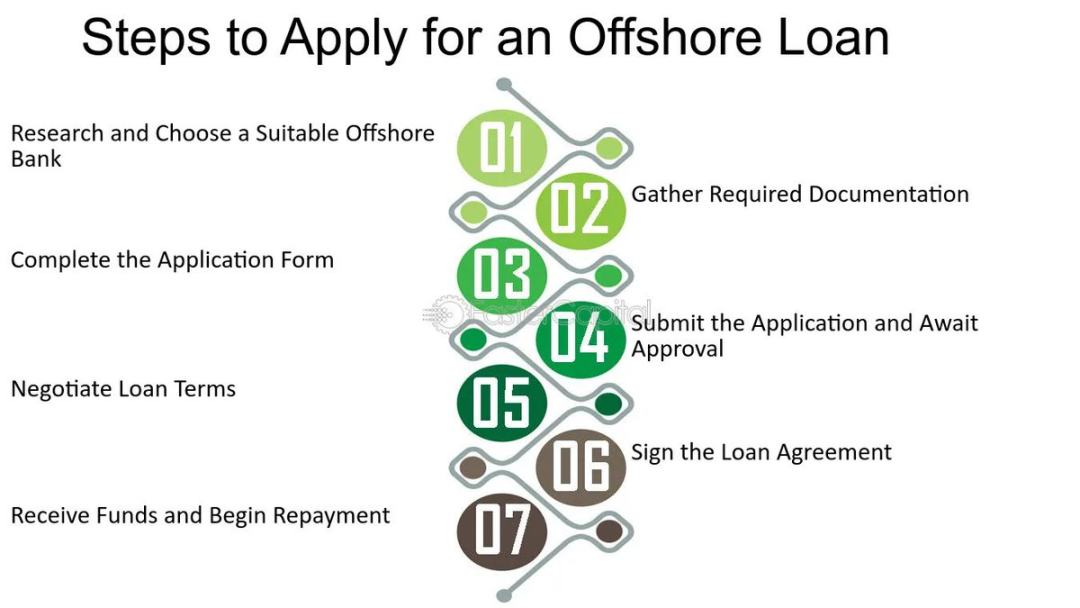
Doing it this way offers major whales a series of benefits:

  • Personal wallets remain private and harder to track.

  • Bank statements show loan repayments, not taxable income.

  • On-chain activity avoids direct traces of selling cryptocurrency.

  • If properly structured, taxes can be legally minimized or even eliminated.

Summary

Wealthy investors almost never directly sell their cryptocurrency. They protect profits using strategies like collateralized borrowing, relocation, and offshore entities. Today, understanding these rules is more important than ever.

Join TechFlow official community to stay tuned

Add to Favorites
Share to Social Media

Related Articles

2026.07.20

If you make money from virtual currency, do you actually have to pay taxes?

The taxation issue of virtual currency is essentially a process where a gray area gradually becomes clear.

If you make money from virtual currency, do you actually have to pay taxes?
2026.04.15

Are People Holding Cryptocurrency Actually Filing Taxes?

Whether the libertarian, anti-tax ideology—popular in the crypto space since its inception—can endure remains to be seen, especially as Tax Day approaches.

Are People Holding Cryptocurrency Actually Filing Taxes?
2026.01.19

Balancing Compliance and Innovation: A Study on France's Cryptocurrency Taxation and Regulatory Framework

This article reviews France's existing regulatory framework, tax policies, and its alignment pathway with international standards.

Balancing Compliance and Innovation: A Study on France's Cryptocurrency Taxation and Regulatory Framework
2026.01.13

Crypto Taxation and CRS Are Coming: Three Practical Tips for Crypto Investors

"Facing the wave of transparency in cryptocurrency taxation, panic is useless, because compliance is an inevitable path for the Web3 industry, and taxation is a necessary component of compliance."

Crypto Taxation and CRS Are Coming: Three Practical Tips for Crypto Investors
2025.12.08

Crypto mining companies face pressure on profits—can tax planning be the way out?

Mining profits continue to decline under the influence of multiple factors, and the global cryptocurrency mining industry is quietly entering a new industry cycle.

Crypto mining companies face pressure on profits—can tax planning be the way out?
2025.09.02

Enterprise Overseas Expansion: Architecture Selection and Tax Optimization Strategies

How important is the right enterprise architecture?

Enterprise Overseas Expansion: Architecture Selection and Tax Optimization Strategies
2025.08.25

Whales Vote with $2.2 Billion: Why Are They Selling BTC But Choosing to Stake ETH?

The value assessment system in the crypto world is undergoing a profound paradigm shift.

Whales Vote with $2.2 Billion: Why Are They Selling BTC But Choosing to Stake ETH?
2025.08.11

Web3 Compliance Insights: Do Crypto Earnings Need to Be Taxed?

How should one respond?

Web3 Compliance Insights: Do Crypto Earnings Need to Be Taxed?
2025.07.30

Ancient whale's liquidation insights

Ancient whales are cashing out, while institutions are gradually taking over.

Ancient whale's liquidation insights
2025.07.16

When fossil whales start dumping, have we hit the peak?

The way whales exit the market highlights the decline in market transparency and the importance of risk education.

When fossil whales start dumping, have we hit the peak?
TechFlow Logo

Navigating Web3 tides with focused insights

Contribute An Articleemail
Media Requestsmsg

Risk Disclosure: This website's content is not investment advice and offers no trading guidance or related services. Per regulations from the PBOC and other authorities, users must be aware of virtual currency risks. Contact us / [email protected] ICP License: 琼ICP备2022009338号