Are People Holding Cryptocurrency Actually Filing Taxes?
TechFlow Selected TechFlow Selected
Are People Holding Cryptocurrency Actually Filing Taxes?
Whether the libertarian, anti-tax ideology—popular in the crypto space since its inception—can endure remains to be seen, especially as Tax Day approaches.
 Navigating Web3 tides with focused insights
By Olga Kharif
Translated by Saoirse, Foresight News

IRS headquarters in Washington, D.C. Photo: Eric Lee / Bloomberg
Tyler Menzer said he has reviewed IRS data for several years to gain deeper insight into cryptocurrency investors—and concluded they may be deliberately avoiding taxes.
Much like the now-famous internet meme from several years ago—when the late Arizona Cardinals coach Dennis Green, furious after losing to a rival team, declared, “They are who we thought they were!”—so too are typical cryptocurrency investors when it comes to fulfilling their tax obligations to Uncle Sam. (In other words, it turns out we were right: crypto investors really don’t want to pay the IRS.)
Tyler Menzer is an assistant professor of accounting at the Neeley School of Business, Texas Christian University, and has access to millions of anonymized taxpayer records provided by the IRS for research purposes. In a recent study co-authored with colleagues, he found that, at least between 2013 and 2021, very few taxpayers reported cryptocurrency transactions on their returns—and those who did differed markedly from traditional stock investors.
“Cryptocurrency holders are more likely than other investors to hold meme stocks,” Menzer said in an interview. “They tend to be younger and may have lower incomes. The core conclusion of our paper is that this is a distinct group of taxpayers and investors: they trade differently and likely comply differently. A large number probably fail to report their crypto assets to the IRS.”
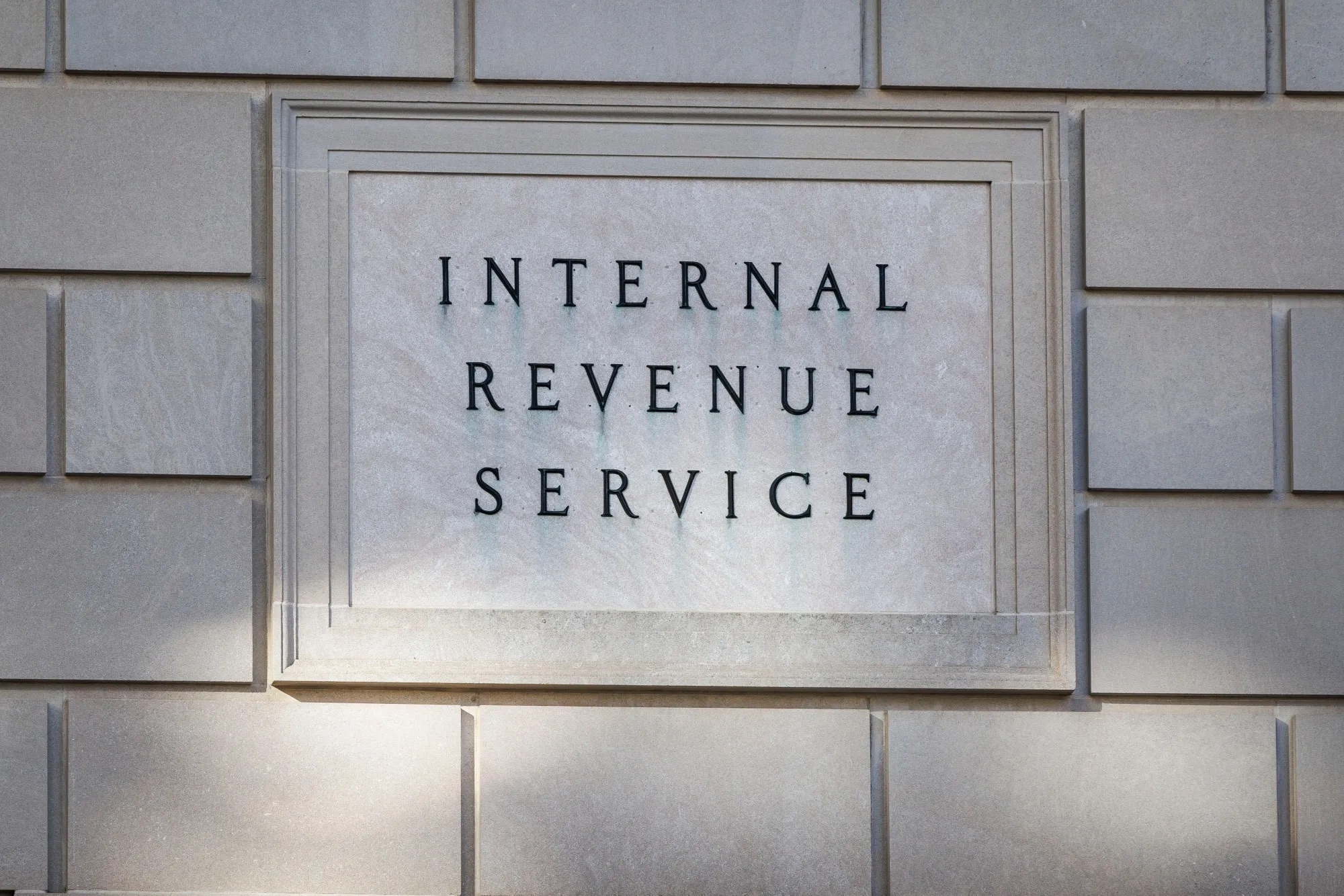
IRS headquarters in Washington, D.C. Photo: Samuel Corum / Bloomberg
Other surveys and studies indicate that, as of 2021, roughly 12% to 21% of U.S. adults had held cryptocurrency—but Menzer and his team found only 6.5% reported crypto transactions to the IRS. Their study predates the early-2024 approval of U.S. ETFs to hold physical cryptocurrency—a regulatory shift that has since fundamentally reshaped the broader investor landscape.
The paper, titled “Who Reports Cryptocurrency to the IRS?”, was co-authored by Jeffrey Hoopes, a professor at the University of North Carolina at Chapel Hill; Tyler Menzer; and Jaron Wilde, a professor of accounting at the University of Iowa. It was published in March this year in a journal of accounting research under Springer Nature. The study focuses primarily on Bitcoin and Ethereum transactions.
The IRS did not respond immediately to requests for comment.
According to CoinTracker, a crypto investment tracking and tax compliance software company, in 2025 digital asset accounts held for less than one year incurred an average loss of $636, while those held for over one year generated an average gain of $2,692. During the 2025 tax year, cryptocurrency investors averaged 836 taxable transactions.
Crypto traders also frequently sell holdings without considering tax implications at all—a phenomenon Menzer attributes to both low investor sophistication and the high volatility inherent to crypto assets. Bitcoin, the market’s bellwether, has fallen roughly 40% since hitting an all-time high in October. By contrast, many traditional stock investors carefully time their sales to qualify for lower tax rates.
However, this situation is set to change soon. For the 2026 tax filing season, the IRS has tightened reporting requirements, aligning crypto regulation more closely with that of the stock market. U.S.-based exchanges such as Coinbase will now be required to issue transaction forms, and taxpayers must truthfully disclose whether they hold cryptocurrency—even if they do not receive the new Form 1099-DA. Rules targeting wash sales and other compliance loopholes are also under review.
Whether the libertarian, anti-tax ethos long prevalent in crypto circles can persist remains to be seen—especially as Tax Day approaches.
Join TechFlow official community to stay tuned
Telegram:https://t.me/TechFlowDaily
X (Twitter):https://x.com/TechFlowPost
X (Twitter) EN:https://x.com/BlockFlow_News
 @Bloomberg