Speed-read the BTC ecosystem drama: Ordinals founder and community call out "Satoshi Stone," accusing him of fraud and earning millions through deceptive node operations?
TechFlow Selected TechFlow Selected
Speed-read the BTC ecosystem drama: Ordinals founder and community call out "Satoshi Stone," accusing him of fraud and earning millions through deceptive node operations?
All men hustle and bustle for profit.
 Navigating Web3 tides with focused insights
Author: TechFlow

Trade in bull markets, watch the drama unfold in bear markets.
The crypto industry never runs short of disputes over interests, and during market downturns, such conflicts often come to light more easily.
In the early hours today, a public feud erupted within the BTC ecosystem:
Casey, founder of Ordinals, published an article on his blog and Twitter, stating that rocktoshi (@rocktoshi21), who recently claimed to be a co-founder of Ordinals, is in fact not a co-founder at all. He also revealed further details about their journey from founding a company together to ultimately going separate ways.
Soon after, prominent figures in the BTC ecosystem—including Erin, Leo, Charlie, and Ninja (well-known to those active in the BTC space)—publicly voiced support for Casey, each sharing their own negative experiences with rocktoshi (hereinafter referred to as "Shibensong") including allegations of fraud, intimidation, and difficult collaboration.
Further leaks suggested that Shibensong was actually behind Nodemonkes, a well-known project on Ordinals, and personally profited millions of dollars from it quickly.
Following the news, the price of Nodemonkes immediately dropped.
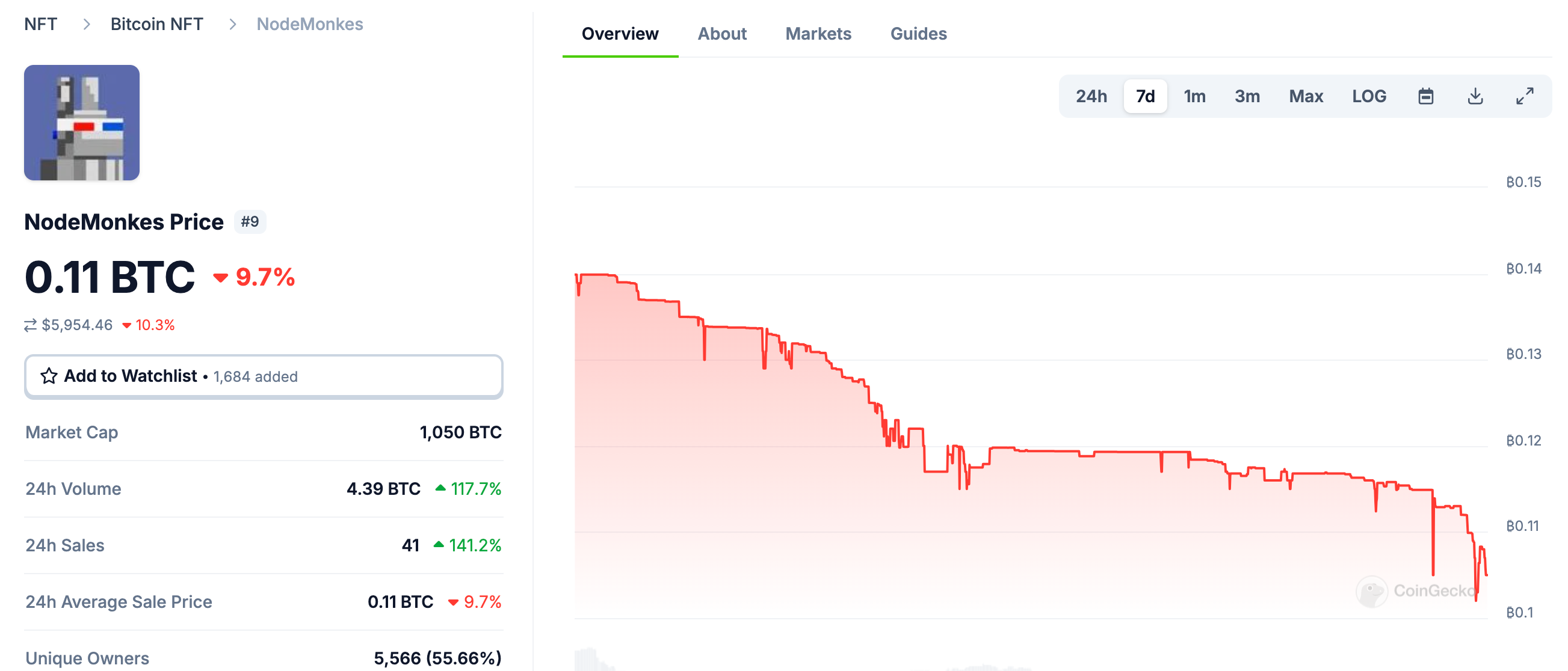
It remains unclear what specific conflicts of interest exist between these key figures and Shibensong, nor can we verify the authenticity of these allegations. But clearly, Shibensong has become the target of widespread criticism, and related projects and assets may suffer as a result.
We’ve compiled the key information from this public dispute for your reference.
The Battle Over the "Co-Founder" Title
The public trigger of this entire conflict likely traces back to a tweet by Shibensong two days ago.
Prior to this, the name rocktoshi wasn’t particularly notable. But two days ago, he publicly declared on Twitter that he was one of the co-founders of Bitcoin’s Ordinals project, claiming, “I was already researching how to implement NFTs on Bitcoin before Casey joined.”
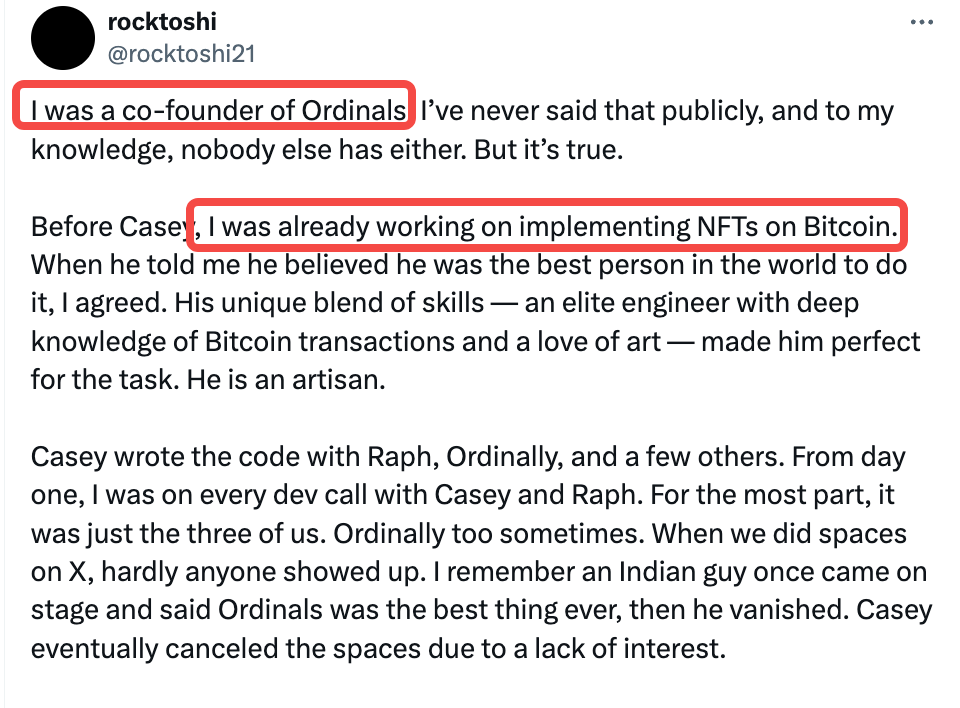
The implication was obvious—he was asserting that he deserved the title “Ordinals Co-Founder,” had significant technical insight, and might even rival Casey in capability.
You might wonder—why fight so hard over just a title? Is it really that important?
In the chaotic and fast-forgetting world of crypto, titles matter immensely. A prestigious role from a past successful project can determine whether you’re invited into the next big venture.
But as everyone knows, Casey is widely recognized as the true founder of Ordinals in the community’s collective mind. We can’t know Shibensong’s true motives, but the effect is clear—he’s now gained significant attention through controversy.
Whether Shibensong genuinely felt wronged or simply sought infamy, his statement undoubtedly made Casey—the real founder of Ordinals—uncomfortable.
In the early hours today, Casey responded with a blog post titled “How Ordinals Came to Be”, which he also shared on Twitter.
While the title sounds neutral, the content is clearly aimed at refuting Shibensong’s claim of being a co-founder.
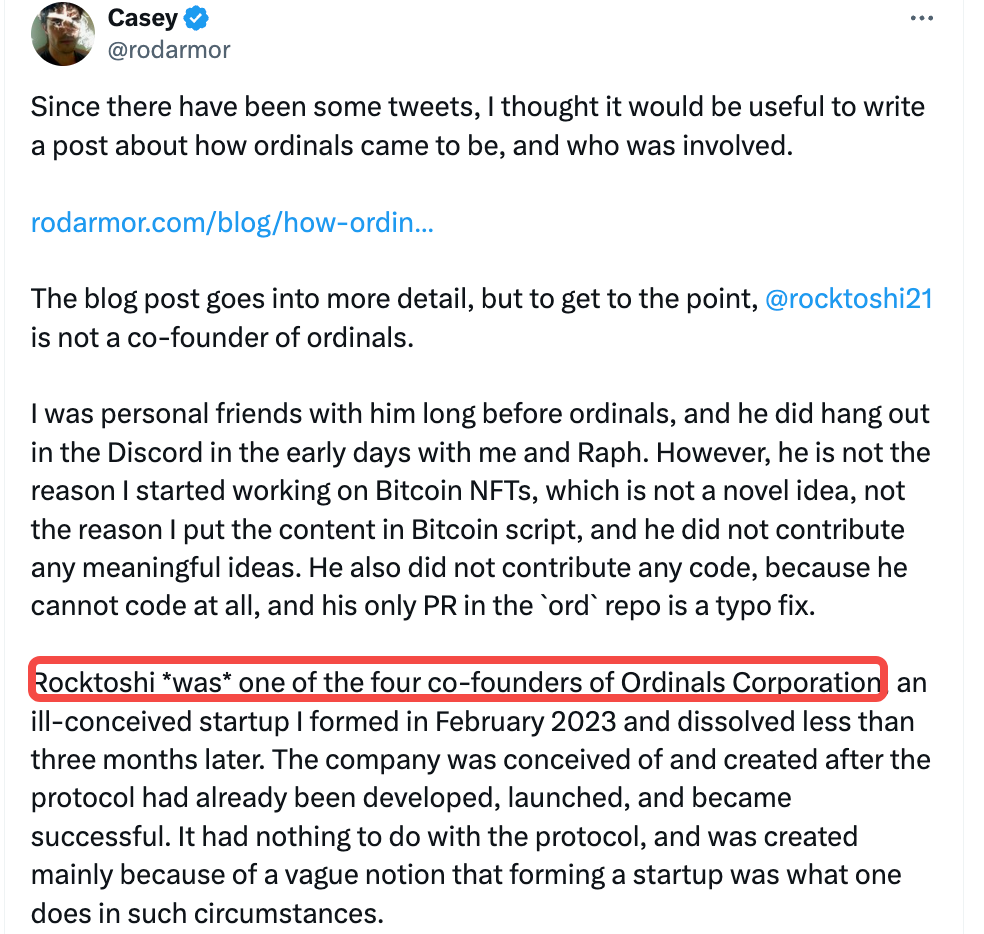
Casey stated that Shibensong contributed nothing to the concept or code design of Ordinals. The only possible contribution he acknowledged was correcting typos in the code repository.
As for the title of “co-founder of Ordinals,” Casey dismissed it as pure opportunism.
Casey did once establish a small company called Ordinals Corporation, in which Shibensong was technically a “co-founder.” However, the company was dissolved in less than three months.
Crucially, this company had nothing to do with the current Ordinals protocol on Bitcoin—it was formed around an early idea. Strictly speaking, Shibensong was only a co-founder of that short-lived company, not of the Ordinals protocol itself.
If the story ended there, the damage would be limited. But Casey went further, revealing additional details to publicly distance himself from Shibensong:
“Rocktoshi became unreliable. I told him I no longer wanted to work with him, but he remained unreasonable and eventually demanded $5 million in exchange for his shares in the company... Even after we finally settled the dissolution of the Ordinals company, he continued sending me threatening emails, demands, insults, and emotional appeals for several months.”
This was a full-on public accusation and direct condemnation.
Community Joins the Attack
Casey added that many people in the ecosystem have interacted with Rocktoshi, and every single person he spoke to had similar long-term experiences of being threatened, deceived, manipulated, and scammed.
This turned Shibensong into a communal target.
Casey then shared public allegations from other major figures in the Bitcoin ecosystem, pushing Shibensong further into the spotlight.
For example, Charlie @cbspears, maintainer of Ordinals Hub, publicly posted in January that “For the past six months, Rocktoshi has been harassing me, attempting to extort me, and threatening to sue me.”
And here comes a bombshell—truth yet unverified:
“I’m concerned he will use the millions of dollars he earned from minting Nodemonkes and his growing influence in the Ordinals ecosystem to continue manipulating and attacking others.”
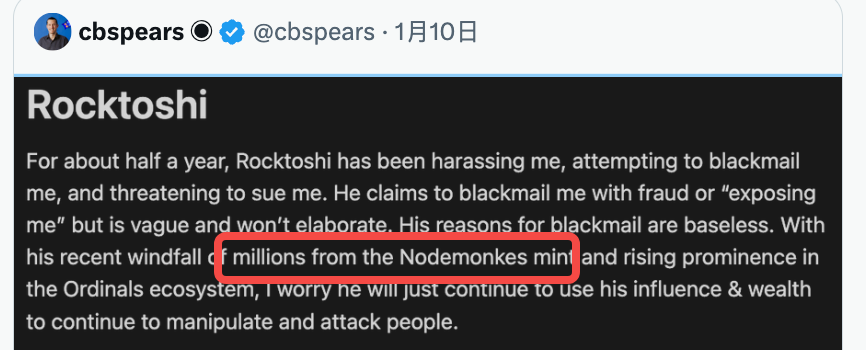
The implication is clear—Shibensong may have financial ties to Nodemonkes.
Another figure, @LeonidasNFT, partially confirmed this connection, stating: “Rocktoshi has launched numerous projects under various pseudonyms over the past 18 months. Take Nodemonkes as an example—it’s objectively a great Ordinals (Bitcoin NFT) collection… It would have succeeded regardless of Rocktoshi’s involvement.”
Ninja (Trevor.btc), GP of Bitcoin Frontier Fund and CEO of ninjaalerts, also publicly stated that he personally experienced Rocktoshi’s deception and manipulation. He emphasized that staying silent only allows such behavior to continue, potentially harming those with fewer resources and lower visibility.
Another community leader, Joona (@NFTJoona), directly shared chat logs showing that he had a simple transaction with Rocktoshi, which Rock later canceled and turned into an extortion attempt.
The logs show Rocktoshi accusing the other party of being a scammer and aggressively threatening legal action. Further details in the thread reveal Rocktoshi stating that if he had to involve his lawyer, he would charge Joona $1,600 per hour.
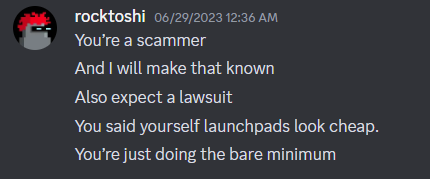
One person’s account may not prove much, but when an entire community rises up against someone, it lends credibility to Casey’s earlier claims of “threats, deception, manipulation, and scams.”
All Are Driven by Profit
As of now, there is no definitive conclusion on the truthfulness of this coordinated attack by Casey and others against Rocktoshi.
In response to the wave of criticism, Rocktoshi offered only a dismissive reply:
“I’m not a scammer. Anyone who knows me knows this—including Casey. Everything I’ve said is true. Speaking out publicly has been a relief. To Casey: I think you should calm down and stop the personal attacks.”
At this point, it may no longer matter who is right or wrong, or whose interests were stepped on.
As the ancient saying goes: “All hustle and bustle in the world exists for profit; all coming and going is driven by gain.”
This quote from *Records of the Grand Historian (Shiji)* has another, even more thought-provoking line:
“When granaries are full, people know etiquette; when clothes and food are sufficient, people understand honor and shame.”
Now that the big players are well-fed, they’re fighting over honor and shame. When will the retail investors finally get enough to eat?
Join TechFlow official community to stay tuned
Telegram:https://t.me/TechFlowDaily
X (Twitter):https://x.com/TechFlowPost
X (Twitter) EN:https://x.com/BlockFlow_News
 深潮TechFlow