Viewpoint: Most tokenized assets remain little more than on-chain wrappers for traditional finance.
TechFlow Selected TechFlow Selected
Viewpoint: Most tokenized assets remain little more than on-chain wrappers for traditional finance.
Stablecoins still appear to lead other assets.
 Navigating Web3 tides with focused insights
Author: Yaroslav Writtle
Translated by TechFlow
TechFlow Intro: The RWA (Real World Assets) sector has been touted for years—but 77.6% of tokenized assets remain mere “on-chain wrappers”: tokens reside on-chain, while issuance, redemption, and custody all occur off-chain. What truly merits attention is the 11.1% classified as “hybrid” assets—those actively migrating portions of their lifecycle on-chain. This explains why stablecoins feel far ahead of other RWAs: they are genuine on-chain financial primitives, not digital shells wrapped around legacy processes.
Market Size Growth Outpaces Market Maturity
An effective way to understand this market is not by asking whether assets are tokenized—but rather by asking:
What type of tokenization is it?
- Wrapped
- Hybrid
- Native
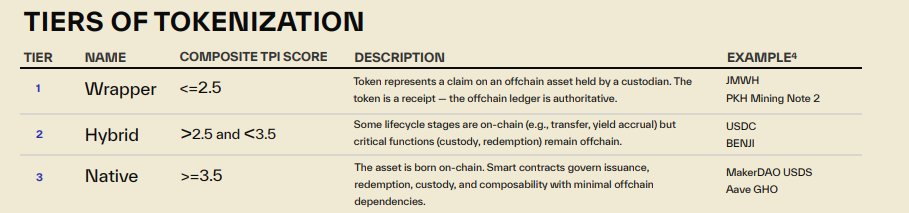
A 2026 market survey covering 593 tokenized assets found that 460—77.6%—were still categorized as wrapped. Only 66 assets (11.1%) qualified as hybrid, and a mere 16 (2.7%) achieved native status.
This is the market’s true shape.
Wrapped Remains the Default Form
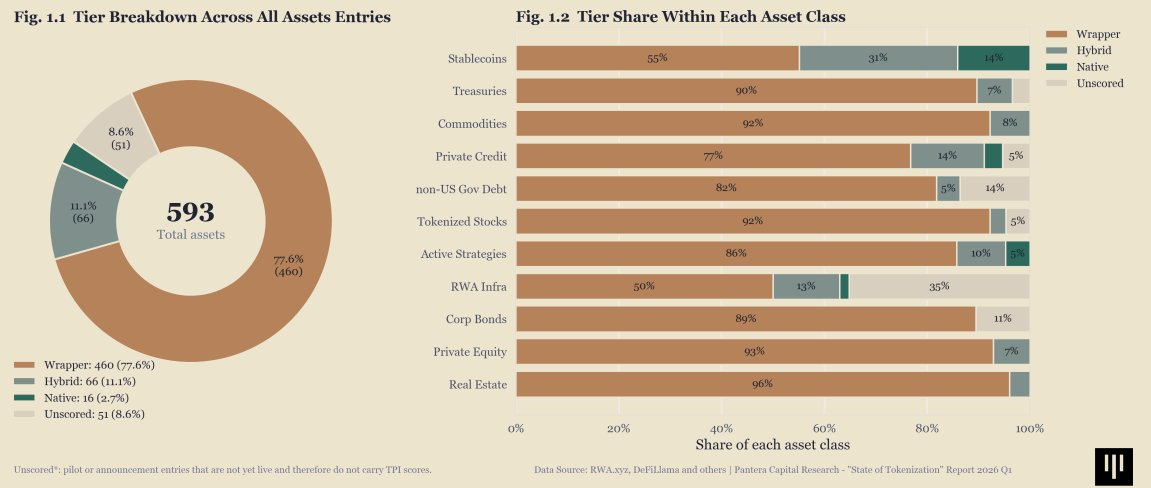
Most tokenized assets improve distribution—not infrastructure.
The tokens exist on-chain.
But most of their lifecycle does not.
Issuance, redemption, custody, transfer permissions, pricing, and investor access still heavily rely on off-chain systems.
So surface-level growth may be real—but on-chain autonomy remains low.
Hybrid Is Where Real Transformation Begins
The hybrid category is where the market’s most meaningful activity occurs.
This is where certain lifecycle stages begin shifting on-chain:
- Transfer logic
- Settlement workflows
- Yield accrual
- Partial compliance or access control
Not fully native—yet no longer just wrapper paper.
This middle tier remains small, which is why the market often feels more advanced than it actually is.
Native Assets Are Rare—For Good Reason
Native assets are rare because the bar is high.
Reaching that level requires more than just putting tokens on-chain.
The entire operating model must also move on-chain.
This includes:
- Issuance and redemption
- Transfer execution
- Custodial assumptions
- Composability with other systems
Few assets today truly meet this standard.
Stablecoins Still Appear Ahead of Other Assets
This also helps explain why stablecoins structurally feel ahead of most RWAs.
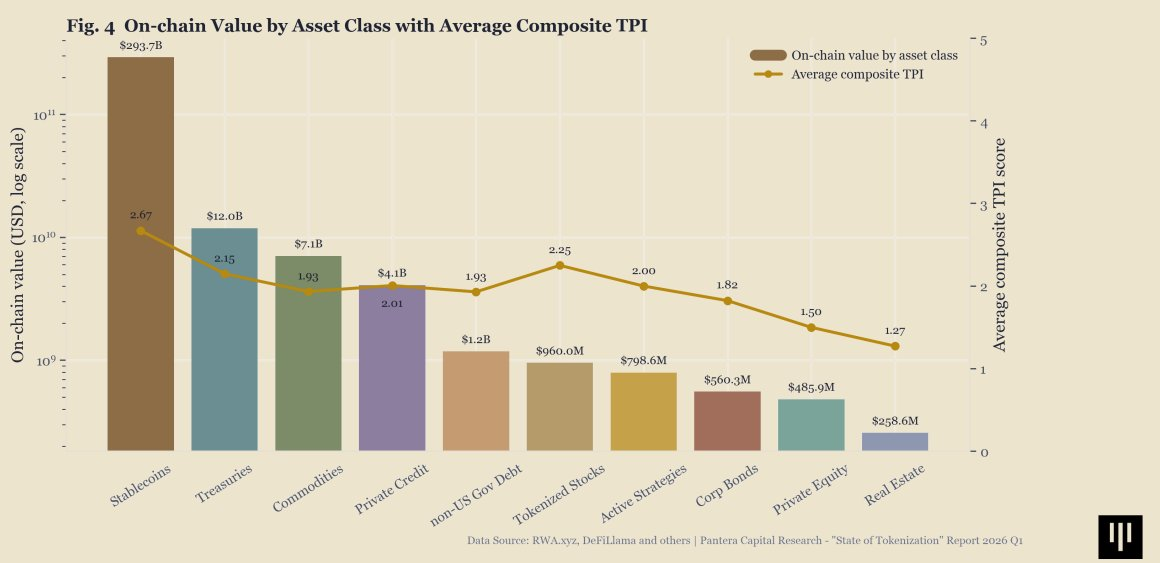
They are much closer to genuine on-chain financial primitives.
Many other tokenized assets still resemble digital wrappers around traditional processes—not assets genuinely operating within an on-chain financial system.
What Matters Next
The market no longer needs more proof that assets can go on-chain.
A more useful question now is: Which parts of the asset lifecycle have truly migrated on-chain?
This is where the next wave of divergence will happen—not between tokenized and non-tokenized assets—but between assets still merely distributed on-chain, and those beginning to operate on-chain.
Join TechFlow official community to stay tuned
Telegram:https://t.me/TechFlowDaily
X (Twitter):https://x.com/TechFlowPost
X (Twitter) EN:https://x.com/BlockFlow_News
 @yaroslavwr_