Is blockchain gaming back? Previewing Off The Grid, the first big battle royale game launching simultaneously on PC and consoles
TechFlow Selected TechFlow Selected
Is blockchain gaming back? Previewing Off The Grid, the first big battle royale game launching simultaneously on PC and consoles
The GUNZ testnet has been running for nearly a year, processing 27 million transactions and accumulating over 2.2 million registered wallets.
 Navigating Web3 tides with focused insights
By TechFlow
The underperformance of blockchain gaming has become an unspoken consensus since the market downturn, when most game projects collapsed.
But not all industry participants are bearish on the gaming sector.
For example, Piers Kicks, Partner at Delphi Ventures, recently posted in strong support of Gunzilla Games and its upcoming flagship title, Off The Grid.
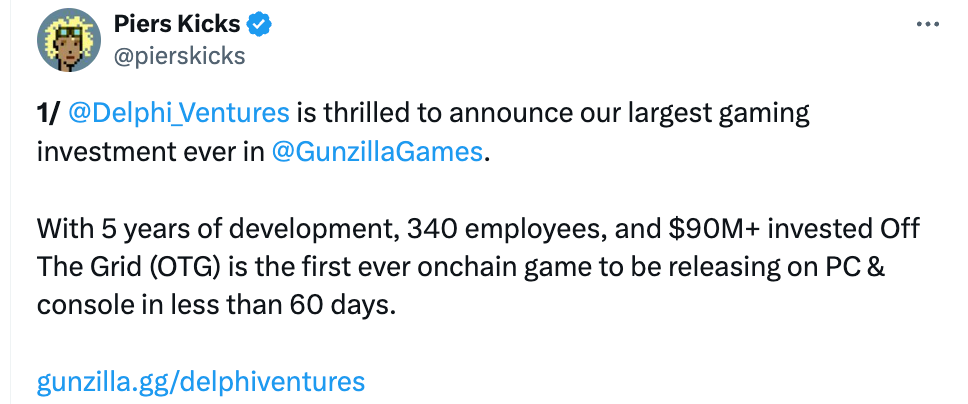
According to Piers’ post, Delphi Ventures has made a significant bet on Off The Grid—the largest investment it has ever made in the gaming sector. Meanwhile, the game has undergone five years of development with a team of 300 people, and total investment has reached $90 million.
Side note: the estimated cost of Black Myth: Wukong was previously revealed by its developer to be around 300–400 million RMB (approximately $42–56 million). By this rough calculation, Off The Grid’s investment exceeds even that of Black Myth.
As the old saying goes, “When a whale dies, life blooms.” But in blockchain gaming, it might be the opposite—everything must fall before one whale can rise.
Against the backdrop of numerous failed blockchain games, why should Off The Grid succeed?
Notably, Off The Grid plans to launch simultaneously on PC and console platforms (PS5/Xbox) within the next 60 days—an unprecedented move for a blockchain game.
Don’t forget: PC and console platforms are where core gamers reside—players who typically despise anything related to gold farming or blockchain monetization. For a blockchain game to compete here, it must strike a delicate balance between gameplay, visuals, on-chain economics, and marketing.
At a time when blockchain gaming is widely dismissed, can Off The Grid truly set a new standard for what a “good game” should be?
Hiring Big Names for Story and Effects to Attract VC Funding
In the gaming industry, a successful title usually hinges on two key factors: talent and capital.
The former refers to the development team; the latter, financial backing.
So, who exactly is behind Gunzilla Games, the studio developing Off The Grid?
Founded in 2020, Gunzilla Games is relatively young but boasts a solid team size and composition. Currently employing around 340 staff, the company includes many veterans from the gaming industry.
Its core development team primarily comes from the former Crytek Kyiv studio. This group contributed to the popular online shooter Warface, which attracted over 140 million players and generated more than $1 billion in revenue. Team members have also worked on major franchises such as Far Cry and Crysis, as well as the CRYENGINE game engine. At its peak, CRYENGINE pushed the boundaries of graphical fidelity and powered many AAA titles.
Even more notably, the company brought on Neill Blomkamp as co-founder and Chief Creative Officer. Known for directing sci-fi blockbusters like District 9 and Elysium, Blomkamp brings a distinctive visual style and deep social commentary that elevates Off The Grid’s cinematic experience and narrative design.
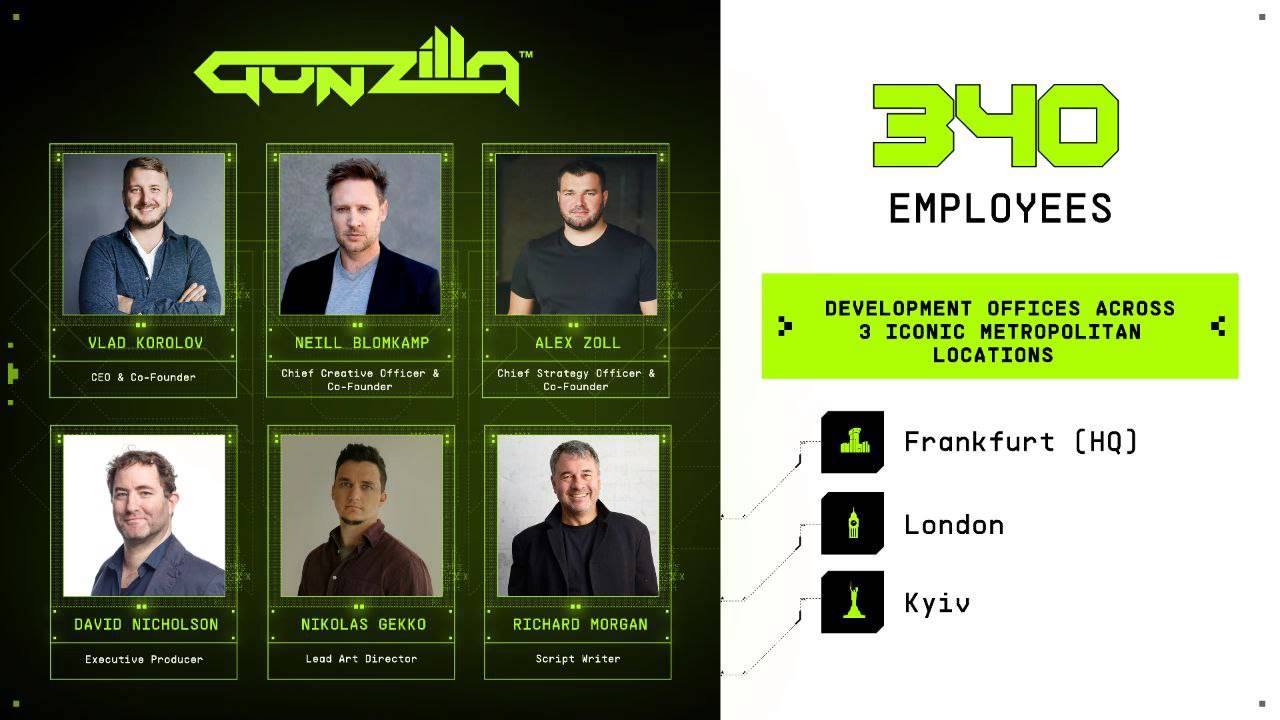
Additionally, the game's 60-hour campaign storyline is written by acclaimed science fiction author Richard Morgan, known for bestsellers like Altered Carbon, which was adapted into a popular Netflix series.
This approach differs from earlier blockchain games—investing heavily in story and cinematic production signals ambitions closer to a premium single-player title.
However, the actual quality remains to be seen upon release, as we cannot yet confirm whether these high-profile figures are deeply involved or merely lending their names.
On the funding side, Delphi Ventures invested $6 million, becoming the largest validator and node operator on Gunzilla’s GUNZ blockchain platform (source: Coindesk).
In March this year, Gunzilla Games raised $30 million in a round led by CoinFund and Avalanche’s Blizzard Fund, with participation from prominent firms including Republic Capital and Morningstar Ventures (details here).
With top talent and ample funding, how well has the game been crafted?
Cyberpunk Battle Royale: "PUBG" Meets On-Chain Items
At its core, Off The Grid follows the battle royale formula—essentially the classic "PUBG" mode—where players fight for resources and survival on a meticulously designed map.
But this game adds heavier sci-fi and cyberpunk elements.
Set in a dystopian future, the game takes place on a massive battlefield called "Teardrop Island," where contestants from around the world compete in a brutal reality show for enormous rewards.
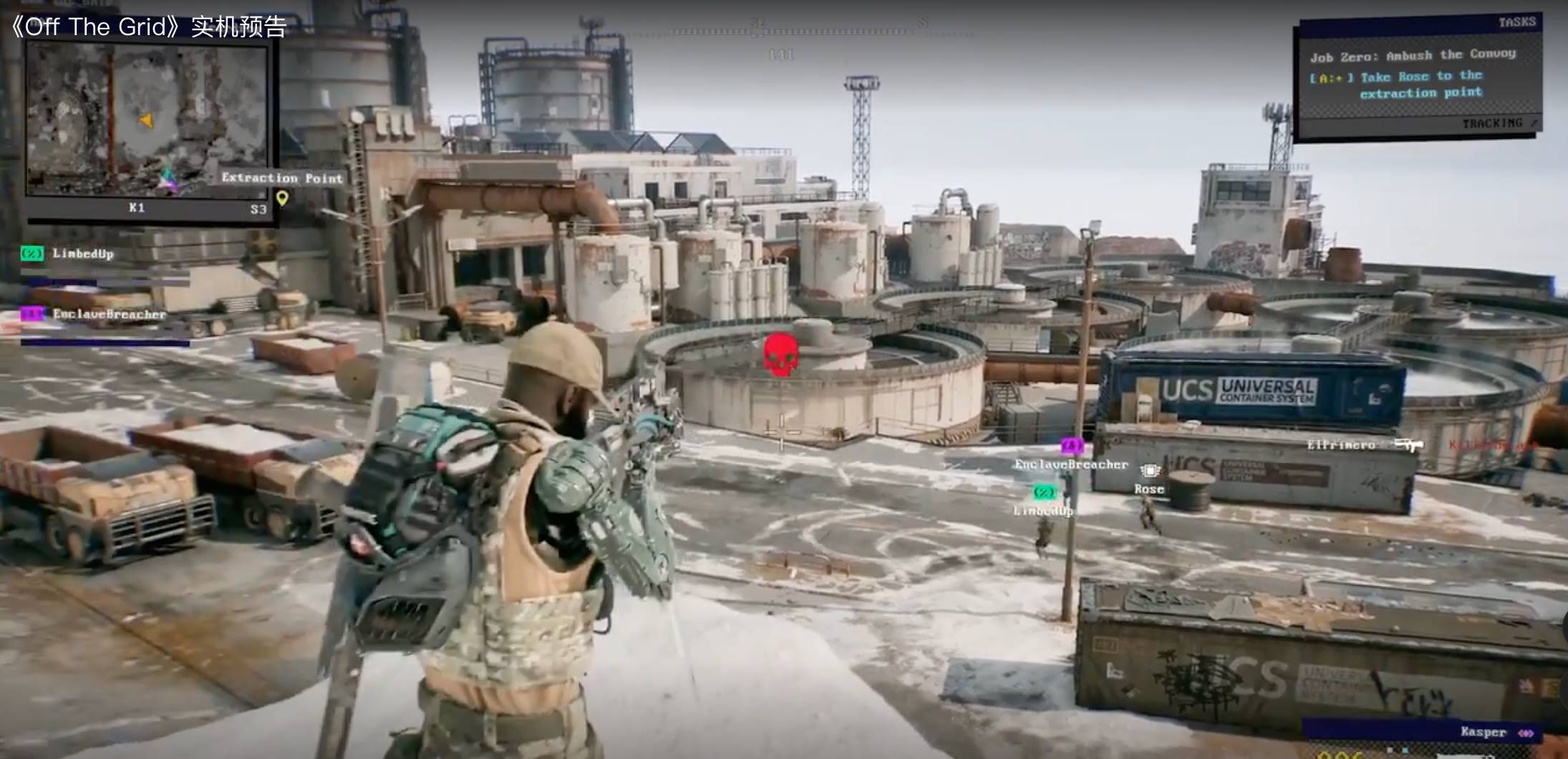
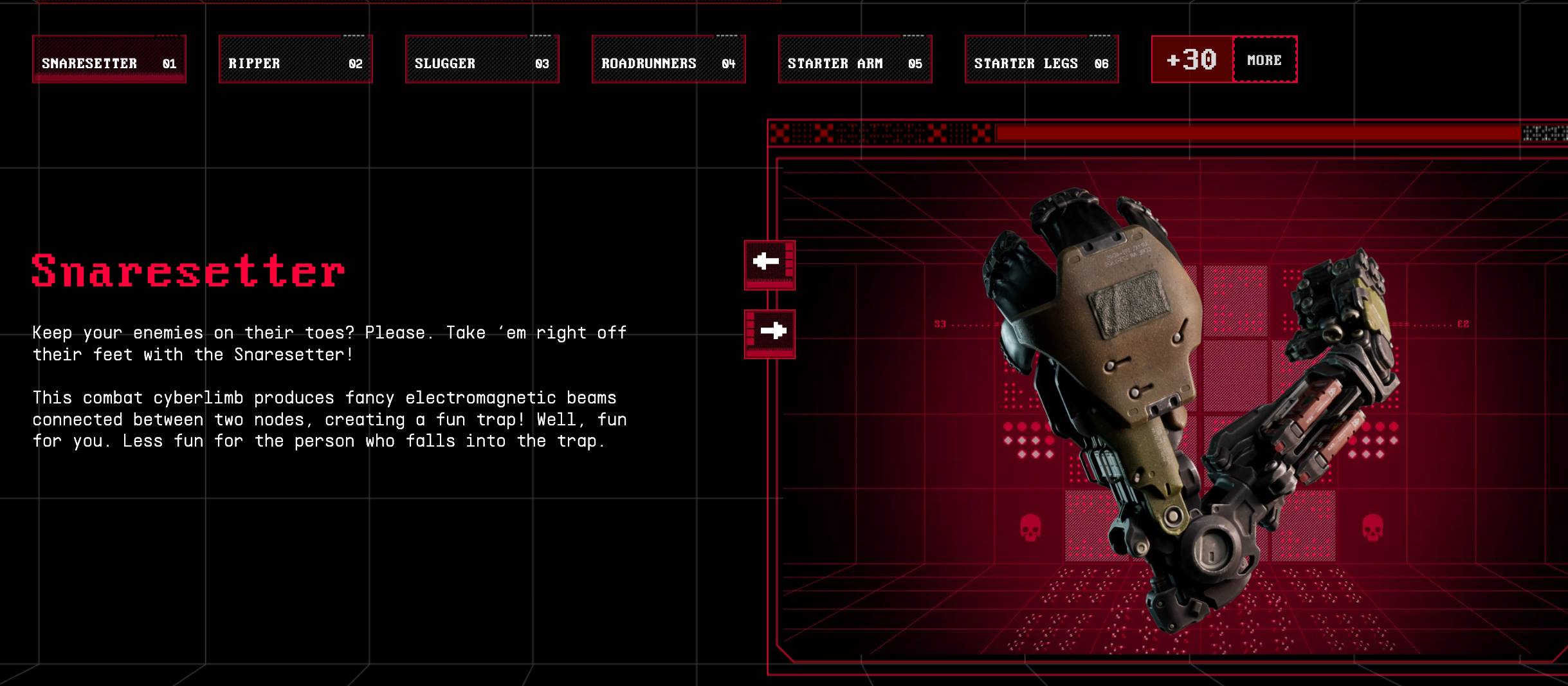
In the game’s lore, all participants must amputate their limbs to use advanced prosthetics available on Teardrop Island. This isn’t just a unique setting—it’s central to gameplay. Players can swap different prosthetics to gain special abilities such as grappling hooks, reconnaissance drones, or speed bursts, adding unprecedented tactical depth and flexibility.
In terms of map design, OTG features the largest battle royale map to date. With jetpacks and specialized prosthetics, players can traverse skyscrapers and move rapidly through the air. This highly flexible movement system increases excitement and encourages aggressive playstyles.
But what does any of this have to do with blockchain?
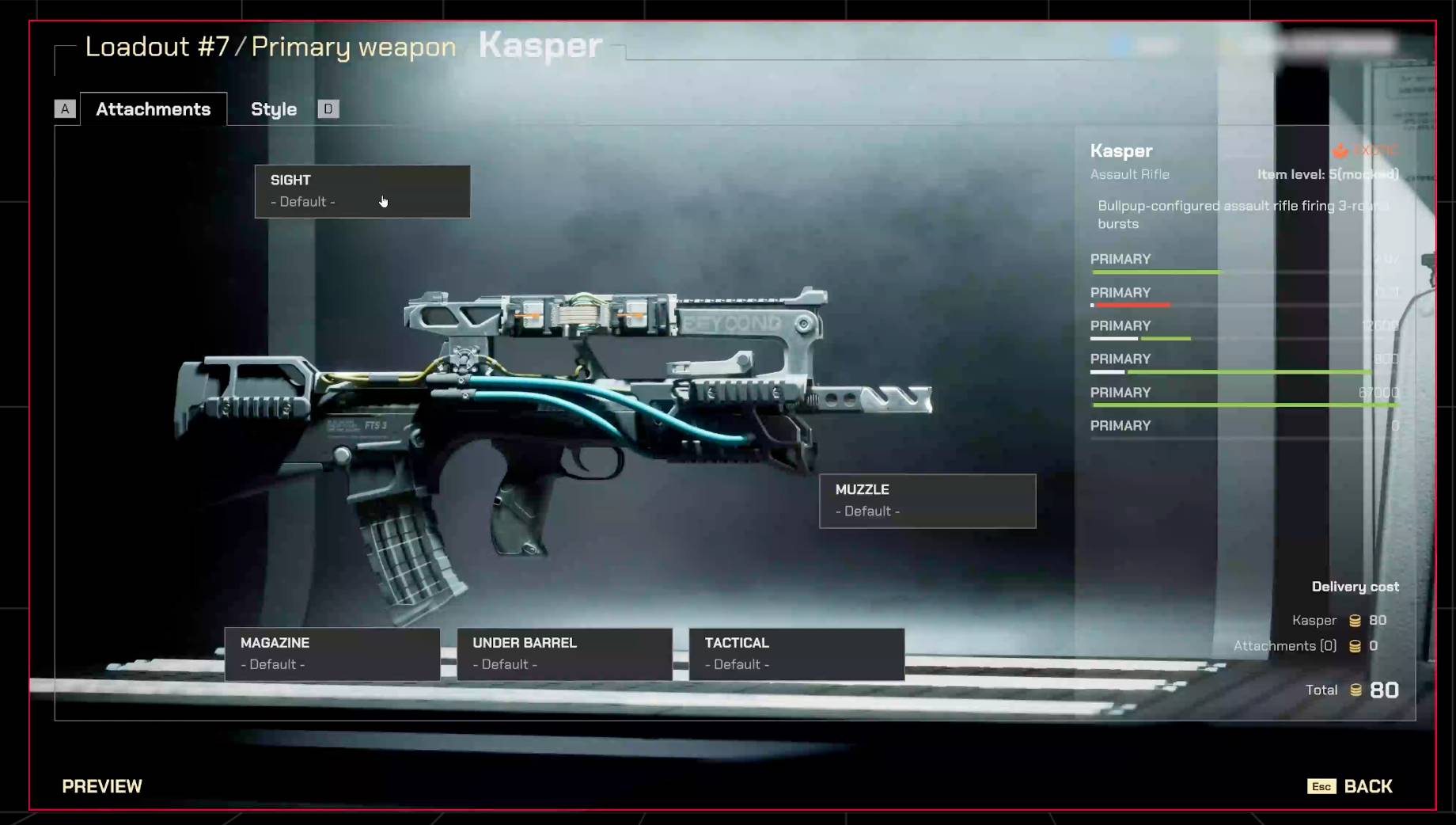
OTG introduces an "Extraction Royale" mode. Players collect HEX cubes scattered across the map, representing blueprints for weapons, attachments, or prosthetics.
These cubes must be taken to designated extraction points and decoded, during which players must defend themselves against others trying to steal their loot. Upon successful extraction, items are “3D printed” into the player’s inventory—which effectively means they are minted onto the blockchain in the background.
Put simply, it’s a hybrid model: off-chain battle royale gameplay combined with on-chain loot box mechanics.
Battle royale remains the core gameplay loop. After earning loot boxes, players open them to receive items that become NFTs or other blockchain assets, bound to their accounts with defined trading rules.
There is no traditional in-game store. All items entering the economy and peer-to-peer marketplace are obtained and minted by players via the in-game extraction system.
This design ensures item scarcity and true ownership, while enhancing economic dynamism and player engagement.
Notably, OTG adopts a seamless integration strategy for blockchain components. Crypto-related features are optional rather than mandatory, gradually drawing players into the ecosystem without forcing adoption.
Though the final product hasn't launched yet, features like social logins, built-in wallets, hidden deposit/withdrawal gates, and gas fee abstraction are likely included.
Preview of the On-Chain Economy
In OTG, players obtain in-game NFT items by extracting HEX cubes as described above. This process cleverly integrates blockchain technology into gameplay, making asset minting a natural extension of the experience rather than a disjointed external action.
Meanwhile, GUN token is the backbone of OTG’s economy. As the game’s native cryptocurrency, GUN serves multiple roles:
a) Medium of exchange: Players use GUN to buy, sell, or trade NFT items in the in-game marketplace.
b) Governance rights: GUN holders can vote on important decisions, such as new features or economic parameters.
c) Staking rewards: Players can stake GUN tokens to earn additional in-game rewards or privileges.
d) Creator incentives: Content creators earn GUN by designing custom content like skins or maps.
e) In-game fees: Certain premium functions may require GUN payments, such as accelerating manufacturing or unlocking special zones.
Notably, the game runs on its own blockchain network, GUNZ—a dedicated subnet built on Avalanche. This custom subnet ensures fast, low-cost transactions and leaves room for future scalability and optimization.
Public data shows the GUNZ testnet has been running for nearly a year, processing 27 million transactions and accumulating over 2.2 million registered wallets.
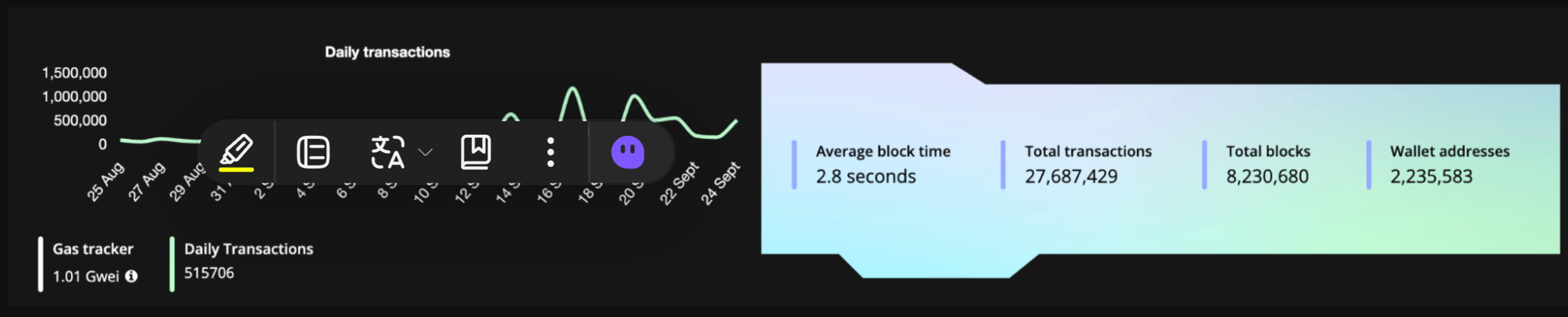
In the GUNZ subnet, validator nodes play a crucial role. They verify and confirm all in-game transactions and collectively maintain network security and stability. Their functions include:
a) Transaction validation: Nodes validate and confirm all in-game transactions, ensuring economic integrity.
b) Network maintenance: Nodes keep the GUNZ network operational, supporting continuous economic activity.
c) Governance participation: Some nodes may have voting rights on key network decisions.
d) Reward mechanism: Node operators may earn GUN tokens as rewards, incentivizing community participation.
Under current design, the ecosystem relies on 10,000 validators responsible for processing transactions and minting all in-game items. From an investment perspective, these validator nodes are attractive: players pay dollar-denominated minting fees to them, and validators also earn commissions from secondary market sales of items they mint.
Supporting Off The Grid is a full suite of Gunzilla ecosystem tools, including a mobile wallet (for iOS and Android), marketplace, and blockchain explorer. Interested players can view real-time data from the GUNZ testnet browser here.
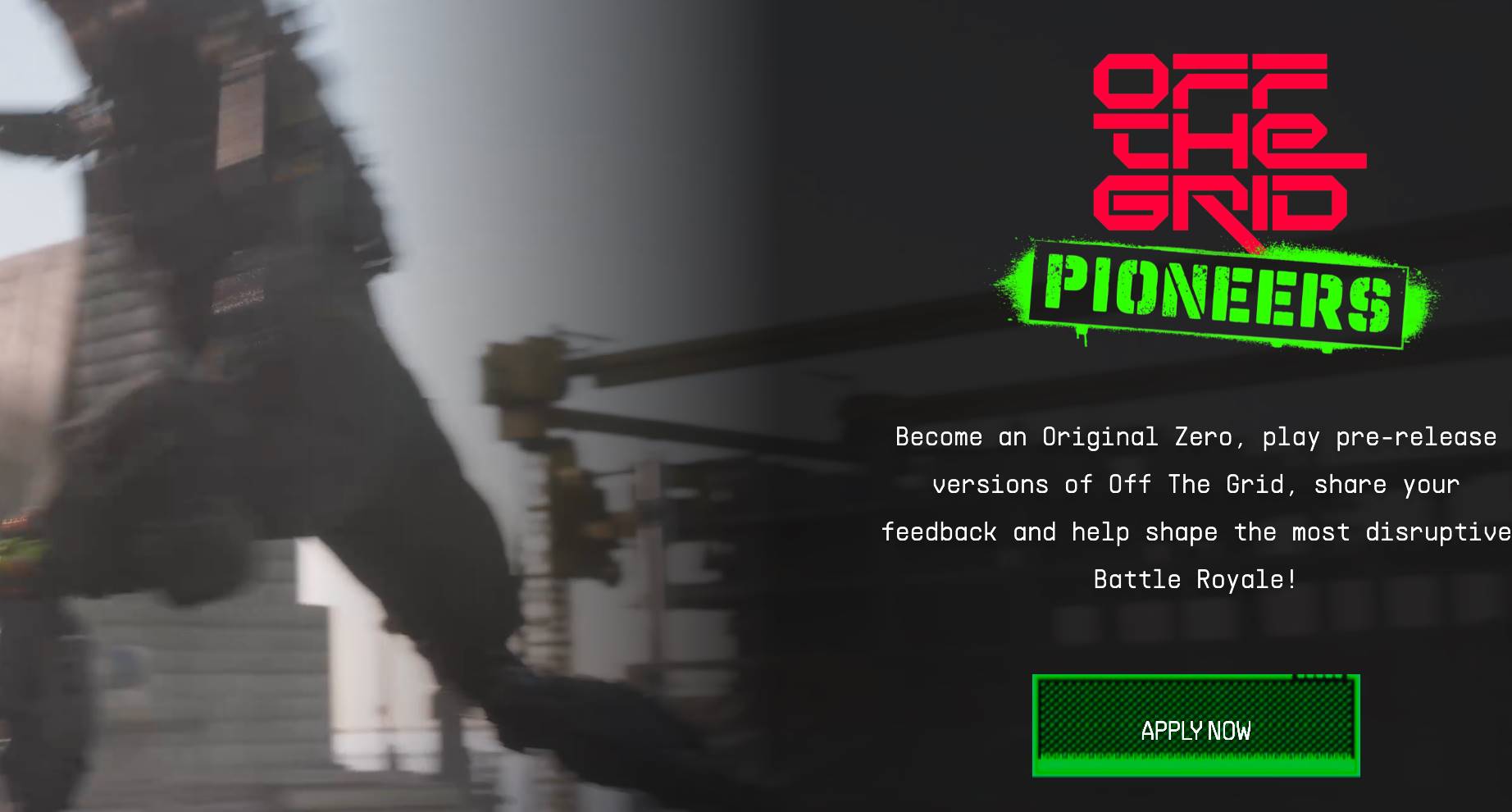
Currently, early access is only possible through the official website’s “Pioneer Program”, where applicants fill out forms, answer questions, select their preferred platform (console or PC), and await selection for a trial invitation.
Finally, it must be emphasized: until the final product is released, we cannot claim this game has fully escaped the “lowbrow” appeal of gold farming.
In fact, the crypto space doesn’t necessarily need pure games. But if the on-chain economy can serve as a mature platform for a “loot box model” without overshadowing gameplay, then Off The Grid might just be worth a small bit of anticipation.
After all, adding another free game to PC and PS5/Xbox will inevitably attract those eager to try it for free.
Join TechFlow official community to stay tuned
Telegram:https://t.me/TechFlowDaily
X (Twitter):https://x.com/TechFlowPost
X (Twitter) EN:https://x.com/BlockFlow_News
 深潮TechFlow