From Unemployment to Rebirth: The Secrets Behind AI Replacing Human Jobs
TechFlow Selected TechFlow Selected
From Unemployment to Rebirth: The Secrets Behind AI Replacing Human Jobs
An increasing number of writers are being replaced by AI.
 Navigating Web3 tides with focused insights
By: Thomas Germain
Translation: MetaverseHub
If you're worried about artificial intelligence affecting your job, the world of copywriting might offer a glimpse into the future.
01. Wordsmiths in the Age of AI
Writer Benjamin Miller (a pseudonym) was thriving at the beginning of 2023. He led a team of more than 60 writers and editors, producing blog posts and articles for a tech company to promote its data products ranging from real estate to used cars.
"It was a very attractive job," Miller said. "I had the chance to be creative and collaborate with experts across various fields."
But one day, Miller’s manager told him about a new project.
"They wanted to use artificial intelligence to reduce costs."
A month later, the company introduced an automated system. Miller’s manager would input article titles into an online form, and an AI model would generate outlines based on those titles. Miller would then receive notifications on his computer.
Articles that previously required the team to brainstorm ideas now revolved around AI-generated outlines, with Miller only responsible for final revisions before publication.
Yet, just months after adapting to this change, Miller received news of "advanced automation."
From then on, ChatGPT would take over writing these articles entirely, and most members of his team were laid off. The few remaining staff took on less creative tasks: editing subpar text produced by ChatGPT to make it sound more human.
By 2024, the company had let go of all other members of Miller’s team, leaving only him behind.
"Suddenly, I was doing everyone’s work," Miller said. "Every day, I opened files written by AI, corrected the robots’ 'formulaic' mistakes, and completed tasks that once required dozens of people."
"Mainly deleting redundant parts, making the text less awkward, removing strange formalities or overly enthusiastic language. Compared to regular copywriters, I ended up doing much more editing—but always the same type of editing. The real problem is how repetitive and boring it became—gradually, I started feeling like a robot myself."
Miller’s experience reflects a broader shift.
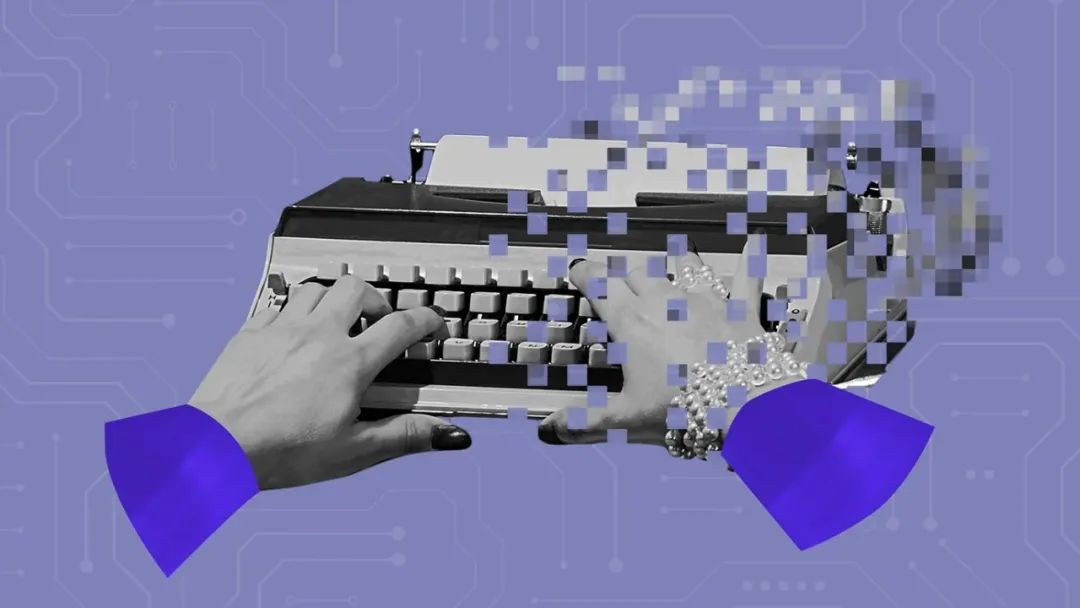
In numerous industries, AI is taking over work once exclusively done by humans. While AI is often cheaper than human labor, early adopters quickly discovered that artificial intelligence doesn’t always deliver the same quality.
Now, workers like Miller are being asked to team up with the very AI that "took their jobs," injecting a bit of humanity into algorithms so AI appears more human-like.
If AI efficiency improves significantly, this may be a temporary solution. If not, Miller’s story could foreshadow what lies ahead for other industries.
Will AI take your job? It's hard to say. We’re at an unsettling crossroads—some experts warn superintelligent robots will soon replace much of human labor, while others believe the technology may never reach that point.
More commonly, experts envision a future where AI collaborates with humans rather than competes against them.
But on a smaller scale, some workers are already facing troubling consequences. If there's one thing generative AI-powered large language models can do well, it's stringing words and paragraphs together—putting some writers on the front lines of crisis.
Concerns over AI-driven writing tools replacing human writers were a major factor behind last year’s U.S. screenwriters’ strike.
With AI tools capable of generating images, audio, and video from scratch entering the scene, other creative industries face similar anxieties about the future.
Copywriters who create marketing materials and other content for businesses have already felt the impact.
In some corners of copywriting, AI might be a blessing—it can serve as a useful tool to speed up workflows and boost creativity. But other writers, especially those early in their careers, say AI makes it harder to find work.
Yet some also notice a new low-paid job emerging: fixing clumsy writing produced by AI bots.
02. The Dual Edges of AI Empowerment
Catrina Cowart, a copywriter based in Lexington, Kentucky, has worked on editing AI-generated text.
"We’re adding 'human touch,' but that often involves deep developmental editing," Cowart said. "Always removing fancy words like 'therefore' and 'however' that don’t fit casual writing."
"Also, we must fact-check the entire content because AI tends to fabricate information—and that takes a long time."
Cowart added: "Humanizing AI content often takes longer than writing an article from scratch, yet pays less."
"On freelance platforms, top pay is usually 10 cents per word—for original writing. But revising AI copy is considered editing work, so you typically get only 1 to 5 cents per word. It’s tedious, painstaking work with little reward."
Similar examples exist across industries, where low-paid humans quietly support machine operations—from assisting automated ordering systems to labeling images for training AI vision systems.
But whether AI’s arrival is good or bad for writers depends on how people use it and where they stand in their career trajectory.
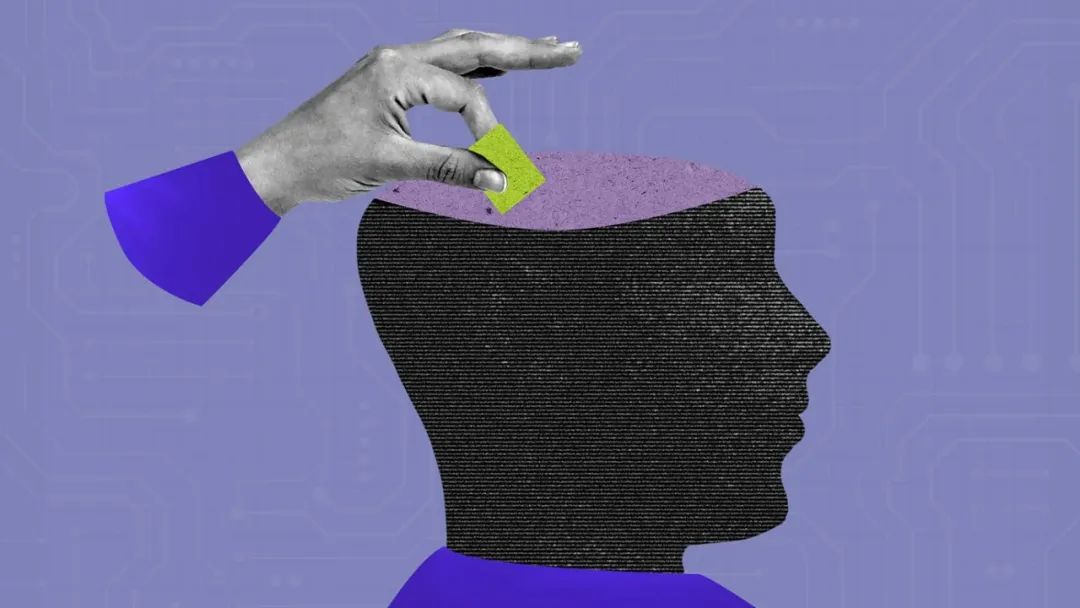
Some writers say using these tools during the creative process can even elevate their work.
For instance, the American Writers and Artists Institute (AWAI), an organization offering training and resources for freelance writers, now offers various AI courses for its members.
Rebecca Matter, president of AWAI, said: "AI courses are currently our most popular offerings. For professional copywriters, the risk isn’t that AI will take their jobs, but that they must adapt. It might feel uncomfortable, but I see it as a huge opportunity."
Matter also noted that for most writers she knows, the transition to the AI era has gone smoothly. In fact, AI has become an integral part of the copywriting process. Many writers now include personal "AI policies" on their professional websites to explain how they use the technology.
Rebecca Dugas, a copywriter with nine years of experience, called AI a "godsend" that allows her to produce equally high-quality work in far less time.
"I’ll use AI whenever clients allow it—whether for brainstorming, market research, or rewriting paragraphs when I have a headache. AI is an invaluable co-creator."
As AI advances, Dugas expects more companies will turn to ChatGPT and similar tools instead of hiring human writers.
But she added: "We should realize that if users don’t understand copywriting, they won’t be able to judge the effectiveness of AI output."
"Talented, qualified writers will always find well-paid work, but those at the lower end of the profession may not be so lucky. Today, many in this position find themselves caught in a paradox."
03. Collaborative Development
Much copywriting work comes from website owners hoping to increase traffic via Google. However, Google issued a series of major announcements last year stating it would remove "unhelpful" content from search results. This sparked concerns that the tech giant might penalize sites hosting AI-generated content.
But Google insists AI-written content is acceptable as long as it's high quality, though such assurances haven't fully eased concerns.
As a result, using AI detection software to scan text has become common practice in certain areas of copywriting. Over the past year, many writers have reported losing jobs due to false positives from AI detectors.
According to Cowart, many freelance platforms that use AI detection software are simultaneously hiring people to edit content created by chatbots.
This means that in some corners of copywriting, nearly all work now revolves around avoiding AI detection.
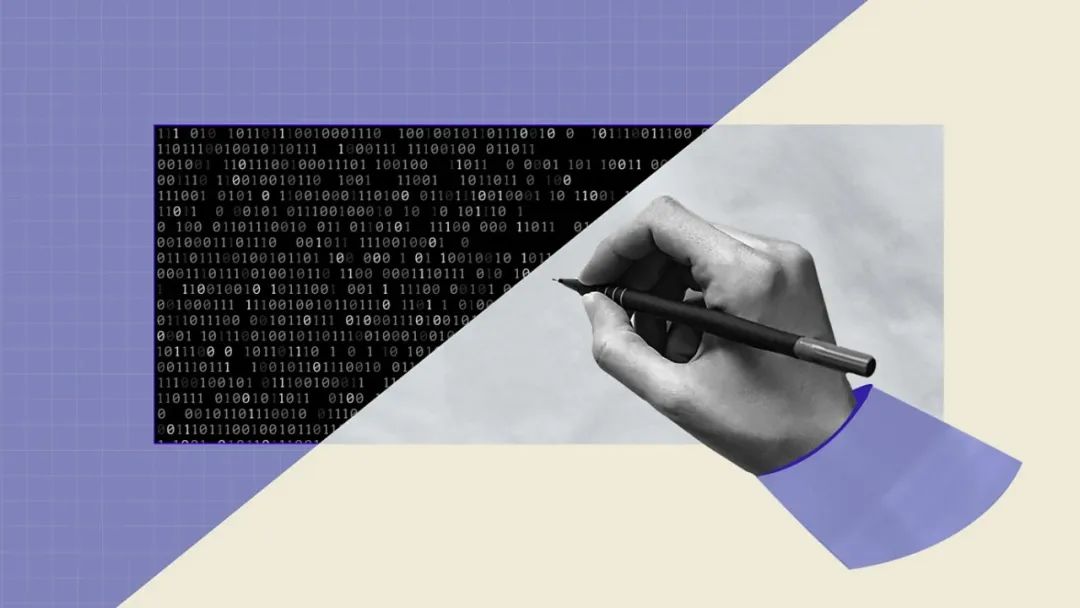
"They sell AI content and pay you to fix it, then email you instructions on how to write like a human so you don’t trigger their AI detectors. It’s insulting," Cowart said.
"Worse, these detectors are regularly updated to keep pace with the latest changes from AI chatbot companies, meaning the rules defining what gets flagged as AI content keep changing."
Miller’s “AI correction” job ended abruptly—on April 5, 2024, he was laid off the same day a major earthquake struck New York.
Fortunately, Miller didn’t stay unemployed for long. He soon found a new, ironically fitting job.
He joined a tech company called "Undetectable AI," which develops software designed to make AI-generated writing harder to detect. In other words, Miller is helping an AI company do the exact work he was forced into after losing his job to AI.
Bars Juhasz, chief technology officer at Undetectable AI, acknowledged that tools like his company’s undoubtedly have negative impacts on the labor market, but he remains optimistic about the future of work.
"I think we'll see many jobs replaced, and freelancers will be hit hardest. I sympathize with them," Juhasz said.
"Still, those getting paid to humanize AI are excellent opportunists. Of course, it's not great work, but at a moment when we're redefining productivity, they’ve effectively carved out a new niche. Those who learn to work with technology will thrive."
Join TechFlow official community to stay tuned
Telegram:https://t.me/TechFlowDaily
X (Twitter):https://x.com/TechFlowPost
X (Twitter) EN:https://x.com/BlockFlow_News
 @BBCWorld