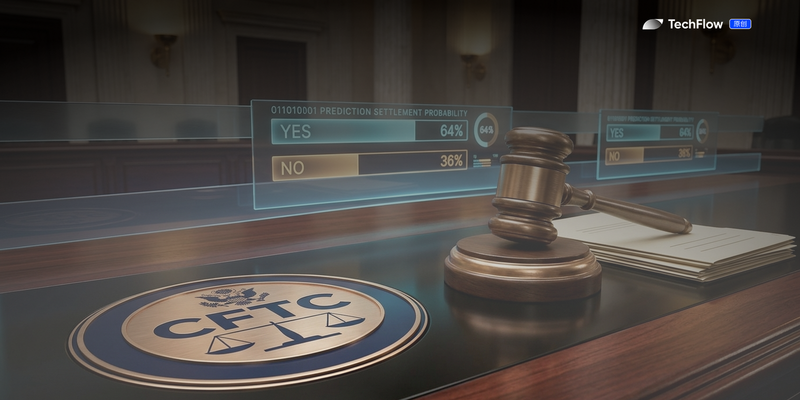
Utah has filed criminal charges against prediction market Kalshi and its two co-founders, accusing them of illegally promoting gambling.
Author: Omkar Godbole
Translated by: TechFlow
TechFlow Summary: Beyond civil litigation, Utah is swinging a criminal hammer: 14 charges target Kalshi and two of its co-founders, with core evidence consisting of an undercover sting by the state attorney general’s office placing 12 sports bets on the platform using a local identity and debit card. The jurisdictional clash over state gambling licenses versus federal derivatives oversight (CFTC) heats up again, as decentralized platforms like Polymarket are also targeted by states under similar grounds.
Utah has filed criminal charges against prediction market platform Kalshi and two of its co-founders, accusing the company of illegally promoting gambling within the state.
Prosecutors have brought 14 counts against KalshiEX LLC and founders Tarek Mansour and Luana Lopes Lara, including one felony charge alleging an illegal pattern of activity, 12 charges for promoting online gambling, and one misdemeanor gambling count.
CoinDesk reached out to Kalshi for comment; the company did not respond at press time.
The case hinges on evidence collected in September by an undercover agent from the Utah Attorney General’s Office: the agent accessed the platform using a local address, phone number, and debit card.
Kalshi allegedly allowed this agent to place 12 different sports bets. The state argues these transactions prove the platform was actively promoting illegal gambling within its borders.
Kalshi is a federally regulated U.S. exchange that allows users to bet on binary real-world events such as elections, sports outcomes, economic data releases, and weather patterns through event contracts.
Coordinated Strikes
The latest development comes days after the Utah Attorney General filed a civil lawsuit against Kalshi. That suit seeks to block the company from accepting bets from Utah residents and recover profits it allegedly earned within the state.
In other words, Utah is simultaneously leveraging both civil and criminal court systems, delivering a textbook legal “double strike” to Kalshi.
Kalshi previously argued that the sports wagers traded on its platform are not gambling, but rather financial derivatives subject to federal oversight by the Commodity Futures Trading Commission (CFTC), and thus should fall outside state regulatory jurisdiction.
However, Utah and several other states argue that prediction markets like Kalshi should be subject to state gambling laws and gambling taxes.
A Chaotic Legal Landscape
Utah is not acting alone. Several other states, including Arizona, Connecticut, Massachusetts, Michigan, and Nevada, have opted to bring criminal charges, initiate civil actions, or restrict access to the platform within their borders.
Meanwhile, the CFTC has joined the fray, suing Utah and arguing that only Washington can regulate such contracts.
On a broader scale, the crackdown on prediction platforms extends far beyond Kalshi. States are also slamming decentralized crypto betting giants like Polymarket with similar state-level gambling allegations.
Join TechFlow official community to stay tuned
Telegram:https://t.me/TechFlowDaily
X (Twitter):https://x.com/TechFlowPost
X (Twitter) EN:https://x.com/BlockFlow_News
 CoinDesk