April 15 Market Recap: Nasdaq Posts 10 Consecutive Gains, a Record Since 2021; BTC Breaks Above $74,000
TechFlow Selected TechFlow Selected
April 15 Market Recap: Nasdaq Posts 10 Consecutive Gains, a Record Since 2021; BTC Breaks Above $74,000
The market is betting on a better outcome.
 Navigating Web3 tides with focused insights
Author: TechFlow
U.S. Equities: Approaching All-Time Highs; Nasdaq Posts 10th Consecutive Gain
On Tuesday, Wall Street surged again amid a confluence of three positive catalysts: renewed optimism around a second round of negotiations, an unexpectedly benign March PPI report, and strong bank earnings kicking off the Q1 reporting season.
The S&P 500 rose 1.1–1.2%, nearing its all-time high set in late January—just one step away from a new record. The Nasdaq soared 1.8%, marking its 10th consecutive day of gains—the longest winning streak since 2021. The Dow gained 285 points (+0.6%). All three major indices are now positive for the year.
From the war-induced low on March 30, the S&P 500 has rebounded over 10% in under three weeks. The peak wartime decline of 7% has been fully erased—and the index is now breaking higher.
The most important economic data released that day was March’s Producer Price Index (PPI). The results significantly outperformed expectations. Overall PPI rose just 0.5% month-on-month—well below the consensus forecast of 1.1%. Core PPI (excluding food and energy) rose only 0.1%, also far below the expected 0.5%.
The significance of this data lies in the following insight: while the war has indeed pushed up energy prices (gasoline prices surged 15.7% MoM; diesel, jet fuel, and heating oil also rose), price pressures outside the energy sector are far less severe than feared. This provides markets with a critical narrative anchor—that inflationary shocks may remain largely confined to energy rather than spilling over across the broader economy. If oil prices continue falling amid renewed negotiations, “second-round” inflation transmission could be contained.
On the banking front, Citigroup reported Q1 earnings that beat expectations, rising over 1% pre-market. Goldman Sachs posted its second-highest quarterly profit ever—but suffered a “buy the rumor, sell the news” reaction, falling 1.9% on Monday. JPMorgan and Morgan Stanley’s earnings reports are scheduled later this week. According to FactSet, the S&P 500’s expected Q1 earnings growth stands at 12.6%; if realized, it would mark the sixth straight quarter of double-digit growth.
Tech stocks continued to lead. Oracle rose another 5% after surging 13% the prior day; NVIDIA and Palantir extended their gains. Goldman Sachs strategist Peter Oppenheimer noted that valuation premiums for mega-cap tech stocks have narrowed to levels close to the broader market—signaling that tech is shifting from being “unreasonably expensive” to “fairly valued.”
Citadel CEO Ken Griffin delivered a stark assessment at Tuesday’s Semafor Global Economic Summit: “If the Strait [of Hormuz] closes for six to twelve months, the world will fall into recession—there is no avoiding it.” He added, however, that delaying action until Iran’s military capabilities strengthen further would produce even worse consequences.
In a client note, Goldman Sachs highlighted an underappreciated development: since the outbreak of hostilities, six of the ten G10 economies now expect to raise interest rates in 2026—up from just three before the war began. This conflict is not only reshaping Middle Eastern geopolitics but also redirecting global monetary policy.
Oil: Plunges 8% Back Below $100, Fueled by Second-Round Talks
Oil prices plunged nearly 8% on Tuesday, with WTI falling back below $100 per barrel.
The catalyst was mounting anticipation of a second round of negotiations. Although weekend talks in Islamabad collapsed, President Trump stated on Monday, “They called us,” prompting markets to begin pricing in the possibility of renewed negotiations. Vance’s “final offer,” left behind upon his departure, also gave Iran diplomatic cover—and Iranian Foreign Minister Hossein Amir-Abdollahian said the two sides were “one step away from signing a memorandum of understanding.”
Reuters reported that a second round of talks could begin as early as this week. If confirmed, markets would interpret this as evidence that Iran is seriously considering Vance’s “final offer.”
Yet oil fell from ~$104 over the weekend to the low $90s—a large move, but still more than 1.5x above pre-war levels (~$61). A historical analysis by Macquarie strategist Thierry Wizman is worth noting: “Historically, when warring parties begin negotiations from diametrically opposed positions, agreements are rarely reached quickly. Given the enormous gulf between U.S. and Iranian core demands, it is difficult to envision the Strait reopening within a two-week timeframe.”
The current ceasefire expires on April 22. Absent substantive progress before then, oil prices face another wave of volatility.
Gold: $4,800—PPI Relief + Weaker Dollar Provide Dual Support
Gold rose ~0.65% to ~$4,798 per ounce.
PPI came in sharply below expectations → inflation expectations cooled → odds of rate cuts edged slightly higher → expectations for lower real yields strengthened → bullish for gold. Simultaneously, the dollar weakened further amid rising risk appetite, providing additional support. The 10-year Treasury yield fell to 4.297%.
Gold is now testing the key resistance zone of $4,800–$4,850. If it holds above this range over the next several trading days, the next targets are $4,980 (the 0.618 retracement level of March’s decline) and then the psychological $5,000 level.
That said, Goldman’s Global Strategy Report offers a sobering counterpoint: six G10 economies now project rate hikes this year, pushing the global interest-rate “center of gravity” higher. This constrains gold’s upside potential derived from the “rate-cut narrative.” For gold to reclaim $5,000+, it will require more than just dovish signals from the Fed—it will need a broad cooling of global rate-hike expectations, which in turn depends on a further sharp decline in oil prices.
Crypto: BTC Breaks Above $74,000—Strongest Performance Since War Began
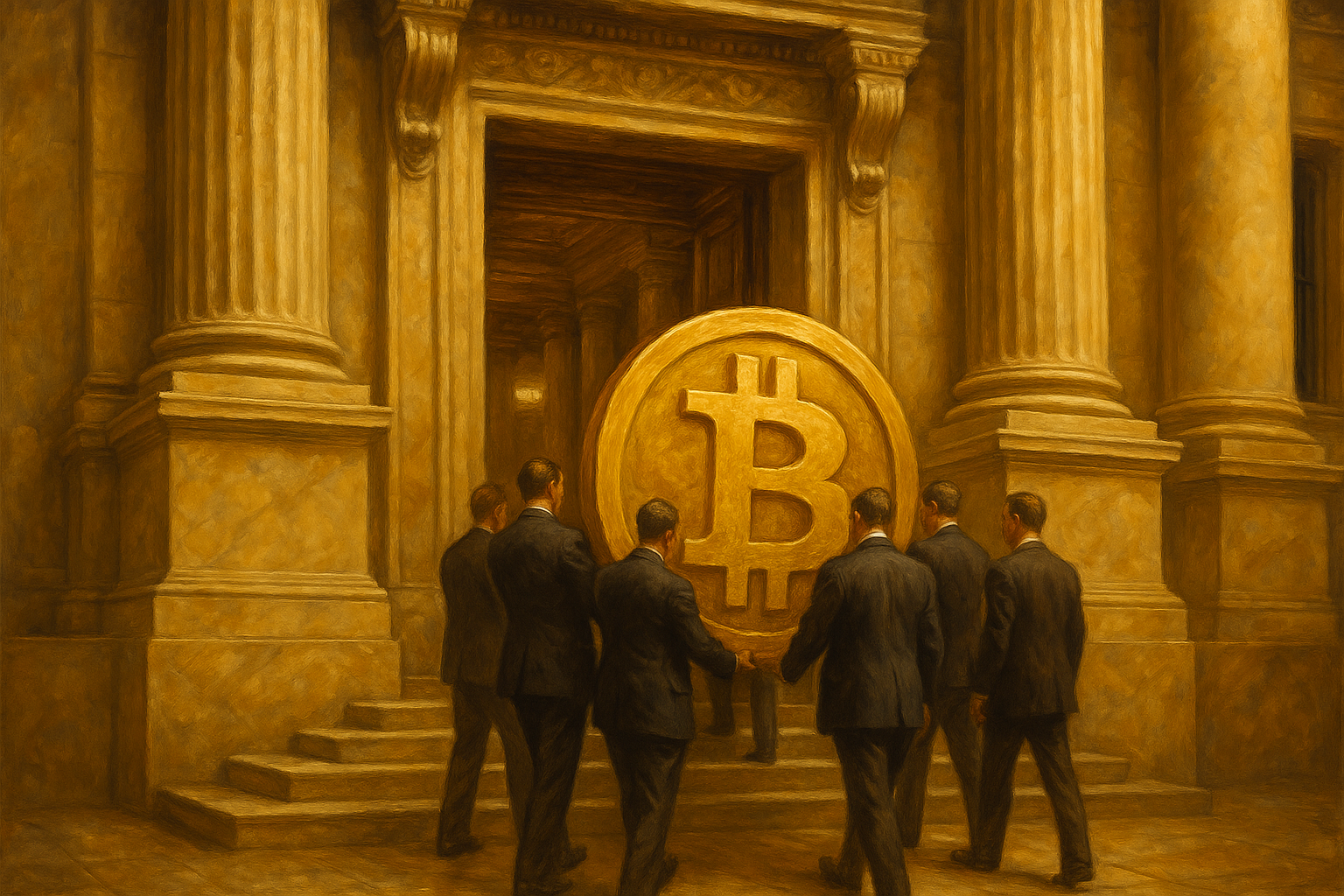
Bitcoin surged ~4.6% on Tuesday to above $74,300—the highest level since the outbreak of hostilities.
This marks a milestone breakout. A dense cluster of short positions—estimated by CoinDesk at ~$6 billion in leveraged shorts concentrated between $72,200 and $73,500—was decisively breached, triggering a fresh short squeeze. From the pre-ceasefire low of $66,000 on April 7, BTC rallied over 12% in eight trading days.
The drivers are clear: PPI came in sharply below expectations → inflation outside energy remains contained → rate-cut expectations ticked modestly higher → liquidity-easing narrative returned → risk assets broadly rallied → BTC benefited. The Nasdaq’s 10-day rally alongside BTC once again confirms Bitcoin’s current trading identity as a “high-Beta tech asset,” with correlation to the Nasdaq remaining above 85%.
The $74,000 level carries significant technical weight. If BTC sustains this level, a bullish ascending channel could form—from $65,000 to $75,000—with the next target at $80,000. CoinDesk analysts’ earlier call is materializing: “If oil falls 15–16%, Bitcoin could test $80,000.” Oil fell ~8% today.
A broader narrative framework includes three upcoming events: the April 22 ceasefire expiration; the April 16 CLARITY Act roundtable; and the April 28–29 FOMC meeting. Should the second round of talks yield tangible progress—leading to a ceasefire extension → further oil price declines → improved May inflation data → renewed market pricing of Fed rate cuts in June or September—BTC hitting $80,000–$90,000 in H1 2025 would no longer be pure fantasy.
The downside risks are equally clear. If negotiations collapse again, hostilities resume post–April 22, and oil reclaims $110+, BTC would likely retest $65,000—or even $60,000.
Today’s Summary: Markets Are Betting on a Better Outcome
April 15—the U.S. Tax Day—but Wall Street didn’t sell to pay taxes. Instead, it bought aggressively:
U.S. Equities: S&P 500 rose 1.2%, nearing its all-time high. Nasdaq posted its 10th straight gain—the longest streak since 2021. All three major indices turned positive for the year. PPI’s sharp undershoot eased inflation fears.
Oil: WTI plunged 8%, falling back below $100. Expectations of a second round of talks + PPI easing inflation concerns = dual headwinds for oil.
Gold: Rose to $4,798, testing the $4,800–$4,850 resistance zone. PPI relief and dollar weakness provided dual support.
Crypto: BTC broke above $74,000—its highest post-war level. A $6 billion wall of concentrated shorts was breached, igniting a short squeeze.
One number says it all: From the war’s low point to today’s 10th consecutive Nasdaq gain, the index has rallied nearly 15%.
Citadel’s Griffin says, “A six-month Strait closure means global recession.” Goldman says six advanced economies plan to hike rates. Macquarie says, “Historically, such negotiations rarely resolve quickly.”
But the S&P 500 says: “I’m almost at a new all-time high.”
Markets are betting on a better outcome—betting oil will fall, negotiations will restart, inflation will ease, and the Fed will ultimately cut. Those bets are embedded in every green candle, every buy order.
Next week’s answers hinge on three things: whether the second round of talks actually happens, whether the ceasefire can be extended before April 22, and whether the ~800 ships stranded in the Strait finally begin moving again.
The Nasdaq has risen for ten days straight. What comes next is either Day 11—or reckoning day.
Join TechFlow official community to stay tuned
Telegram:https://t.me/TechFlowDaily
X (Twitter):https://x.com/TechFlowPost
X (Twitter) EN:https://x.com/BlockFlow_News
 深潮TechFlow