The History of Cryptocurrency in the Middle East
TechFlow Selected TechFlow Selected
The History of Cryptocurrency in the Middle East
Cryptography has never been a thing in the Middle East.
 Navigating Web3 tides with focused insights
By Hazel
At dawn on June 18, 2025, while tens of millions of Chinese citizens stayed up late to snap up discounted goods, Iran’s largest cryptocurrency exchange, Nobitex, was “liquidated.”
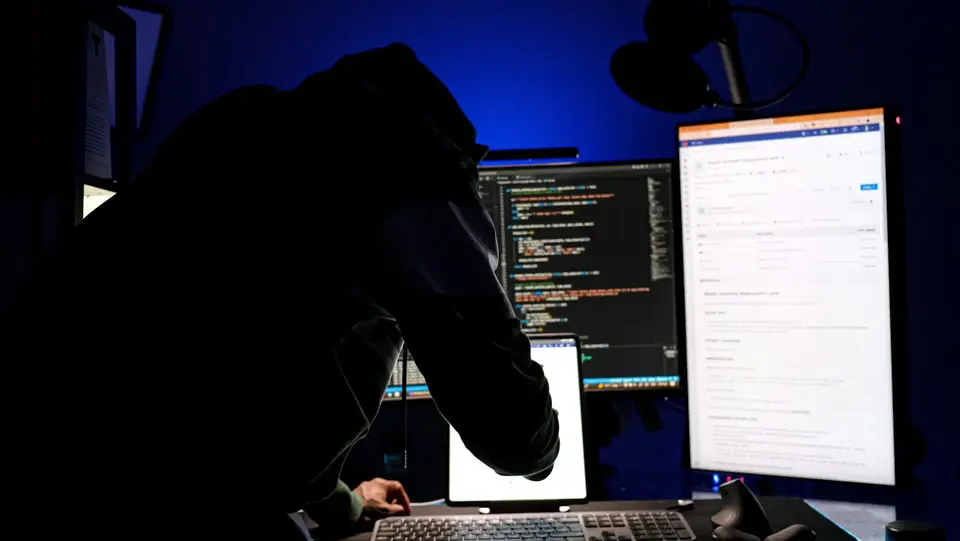
A hacker group calling itself Gonjeshke Darande—Persian for “Plundering Sparrow”—posted on X claiming it had breached Nobitex’s hot wallet and withdrawn over $90 million. Just one day earlier, the same group had attacked Bank Sepah, one of Iran’s largest state-owned banks.
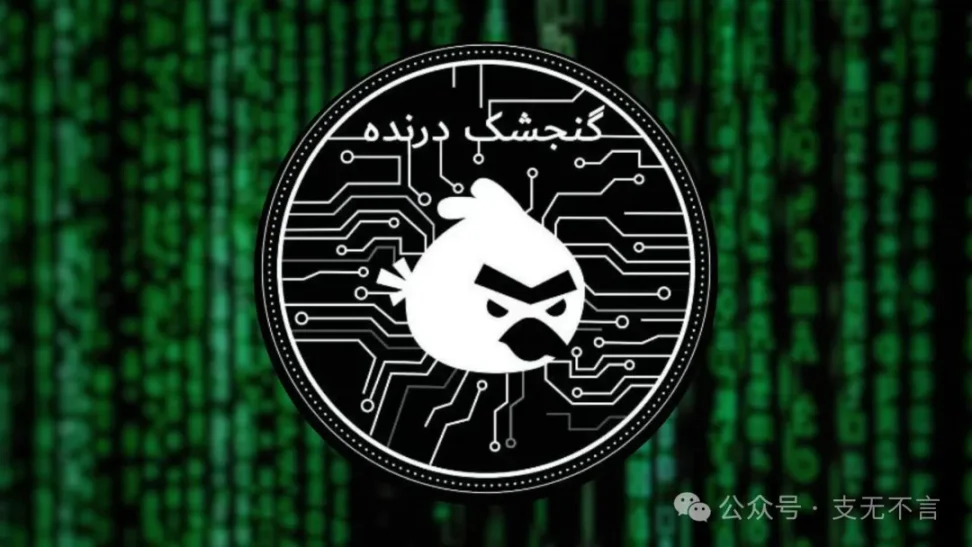
Then they did something rarely seen in hacking history.
They sent the entire $90 million to eight “black hole addresses” for destruction. These wallets have no private keys; once funds are sent there, they become permanently irretrievable. Ironically, each address embedded strings like “FuckIRGCTerrorists”—IRGC being the acronym for Iran’s Islamic Revolutionary Guard Corps.
Taking not a single cent of the $90 million—and staging such an ironic spectacle—clearly signals that this hacker group was not motivated by financial gain.
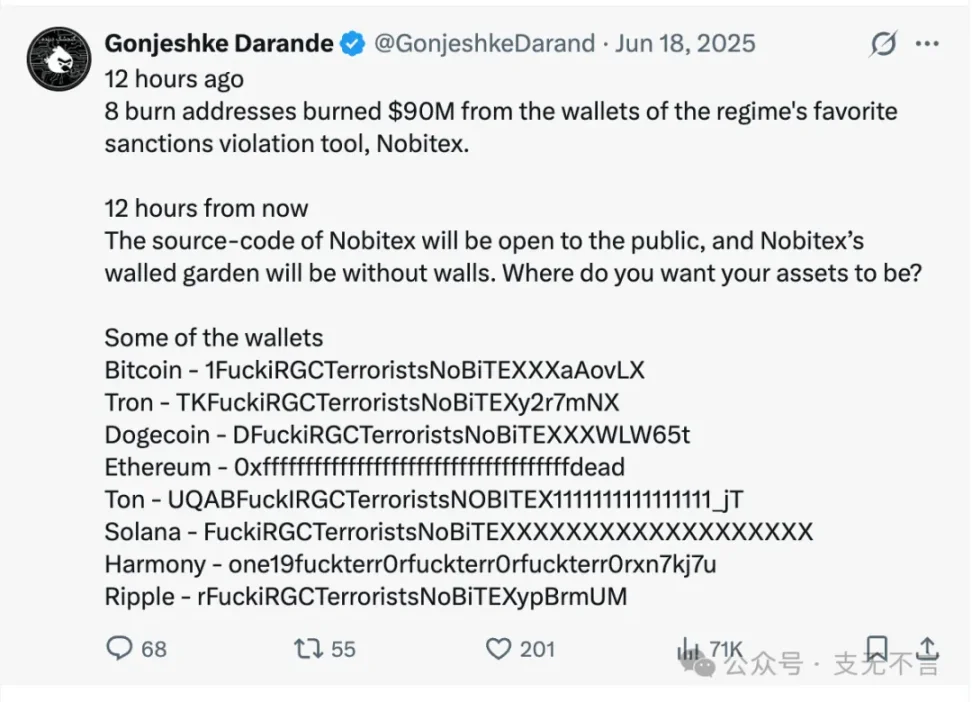
Twelve hours later, Nobitex’s source code and internal files were fully leaked.
Independent investigator Nariman Gharib analyzed these files and discovered that the $90 million destroyed matched almost exactly with IRGC-linked funds that had flowed into Nobitex via specific wallets over the preceding months.
So rather than theft, this was more accurately a politically targeted on-chain operation.
When we think of crypto in the Middle East, images often spring to mind: Dubai’s regulatory licenses, the Token2049 conference venue, after-parties on Palm Jumeirah. But there exists a far more covert, deeply entangled world—one completely unknown to those who don’t live within it.
Few can clearly answer: Which exchanges do Iranians use? Why is cryptocurrency trading ubiquitous among Turks? And why is Kuwait the Middle Eastern country with the strictest crackdown on mining?
The story of Nobitex may be the key that unlocks this hidden world.
From Chemical Engineer to Iran’s “Changpeng Zhao”
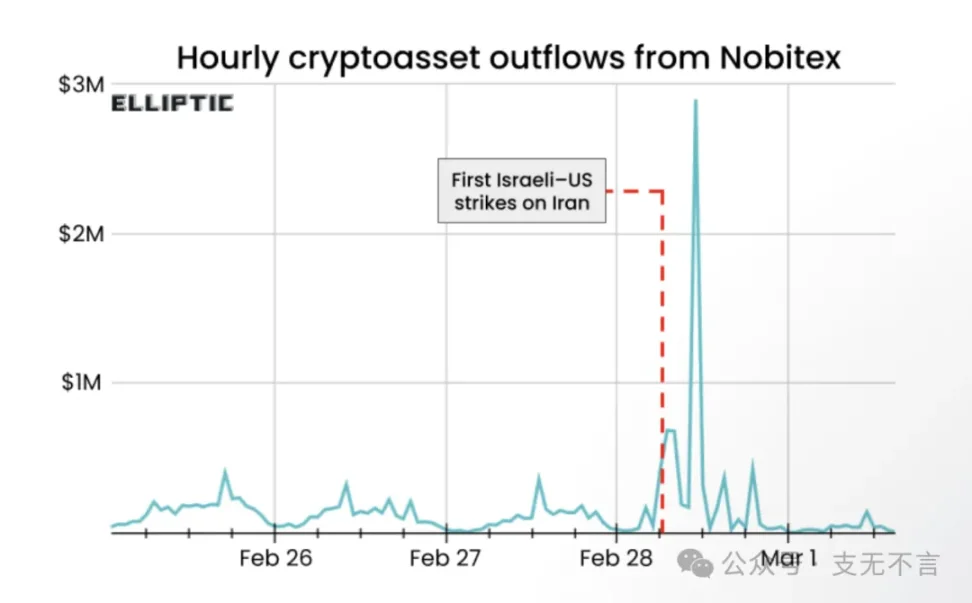
Shortly after the U.S. and Israel launched military operations against Iran, a news report thrust Nobitex into the public spotlight: Within minutes of the air strikes beginning, the exchange’s withdrawal volume surged by 873%.
Nobitex’s founder is Amir Rad. He did not come from finance but graduated as a chemical engineer from Sharif University of Technology. Before founding Nobitex, he worked in process safety and risk assessment in the petrochemical industry.
Last year, he appeared on Karnakon Podcast—a popular Iranian business podcast whose name loosely translates to “Don’t Be an Office Worker!” Interestingly, this was also his first in-depth public interview following the hack.
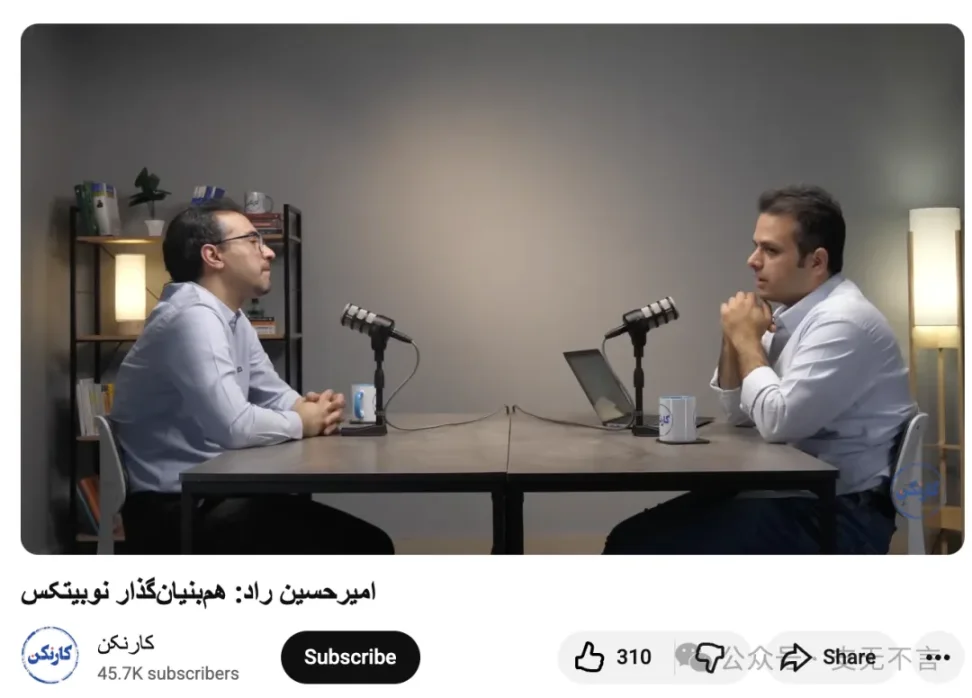
According to Rad, in 2017 he and three friends—fellow retail crypto investors—co-founded Nobitex. Their idea was simple: Enable Iranian users to deposit rials and trade digital assets directly on the platform. That was it.
But its success far exceeded expectations. Just months after launching in 2018, hostile Iranian regulatory sentiment triggered a full-year nationwide ban on Nobitex. Yet demand remained so strong that even under blockade, the platform sustained organic monthly growth of 20%.
Today, Nobitex boasts 11 million registered users and over $11 billion in total inflows—surpassing the combined totals of the next ten Iranian exchanges.
What does 11 million mean? Iran’s population stands at 89 million: roughly one in eight Iranians has registered on Nobitex. Excluding minors and seniors, the actual penetration rate is even higher—comparable to the long-established, U.S.-based compliant exchange Kraken.
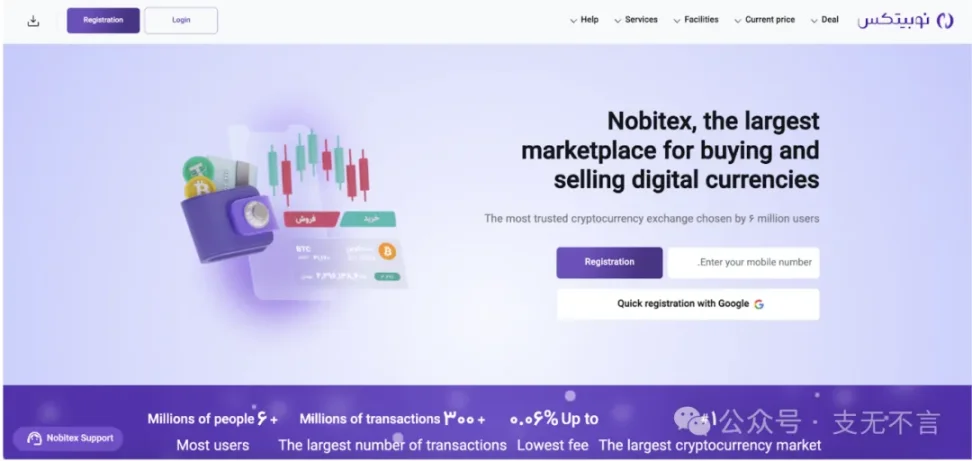
An engineer, in eight years, built an exchange used by one-eighth of a nation’s population. If the story ended here, it would already make for a compelling entrepreneurial legend.
A Drifting Financial Ghost
But the story didn’t end there.
Since 2024, open-source intelligence reports have gradually revealed that top shareholders of Nobitex include relatives of Supreme Leader Ali Khamenei and business partners of Mohsen Rezaee—the founder of the Islamic Revolutionary Guard Corps (IRGC).
Elliptic’s on-chain analysis shows Nobitex transacted with sanctioned Russian exchange Garantex, as well as Hamas- and Houthi-linked wallets.
How did a private enterprise become a white-glove conduit for the highest echelons of power? The precise mechanisms remain opaque—but such a script is hardly unfamiliar in Iran.
After Digikala (Iran’s “Amazon”) and Snapp (Iran’s “Didi”) scaled up, both accepted “strategic investments” from shell companies linked to the IRGC—or from the state-owned Telecommunications Company of Iran. In this country, once a private firm reaches a certain scale, someone inevitably arrives to “help” you.
Only Nobitex carried something far more sensitive than e-commerce or ride-hailing.
In the internal files released by “Plundering Sparrow,” Gharib traced a special account responsible for coordinating tens of millions of dollars flowing from the IRGC’s financial network into Nobitex. Unlike the platform’s other 11 million users, this account underwent zero KYC verification.
Everyone must undergo identity verification—except the account moving IRGC funds.
TRM Labs’ analysis of the leaked source code reveals this account wasn’t registered under any officer’s personal identity. Rather, it functions as an invisible channel within the system—ostensibly affiliated with a shell import-export company under the IRGC’s Quds Force, serving as a VIP whitelist exclusively for politically exposed individuals.
Yet overseas, the person interfacing with this ghost account is no secret. His name is Babak Zanjani.
Cat-and-Mouse Game
Zanjani’s resume reads like a spy thriller: Sanctioned by OFAC in 2013; sentenced to death in Iran in 2016 (for embezzling billions of dollars from the national oil company); his sentence commuted in 2024; released from prison in 2025.
The U.S. Treasury Department states plainly: He was freed specifically to continue laundering money for the regime.

In May 2021, a company named Zedxion Exchange Ltd. was incorporated in the UK. Five months later, a man named Babak Motaz was listed as director and ultimate beneficial owner.
The U.S. Treasury later confirmed: This was none other than Babak Motaz Zanjani.
In July 2022, Zanjani disappeared from the company’s records. Days later, Zedcex Exchange Ltd. was incorporated at the same London address, under the same successor director.
Both companies claimed to be “dormant.” On paper, only nominal directors and virtual office addresses existed.
But on-chain data tells a very different story. TRM Labs’ analysis shows Zedcex processed over $94 billion in transactions since incorporation. Together, the two exchanges handled approximately $1 billion for the IRGC—with their peak share reaching 87% of platform volume in 2024.
Funds flowed as USDT across the TRON blockchain—shuttling between IRGC wallets, offshore nodes, and Nobitex.
OCCRP’s (Organized Crime and Corruption Reporting Project) investigation uncovered further details. Both exchanges shared the same registered address: 71–75 Shelton Street, Covent Garden, London—a mass-registration virtual office address housing over a dozen other companies, including at least six sanctioned entities.
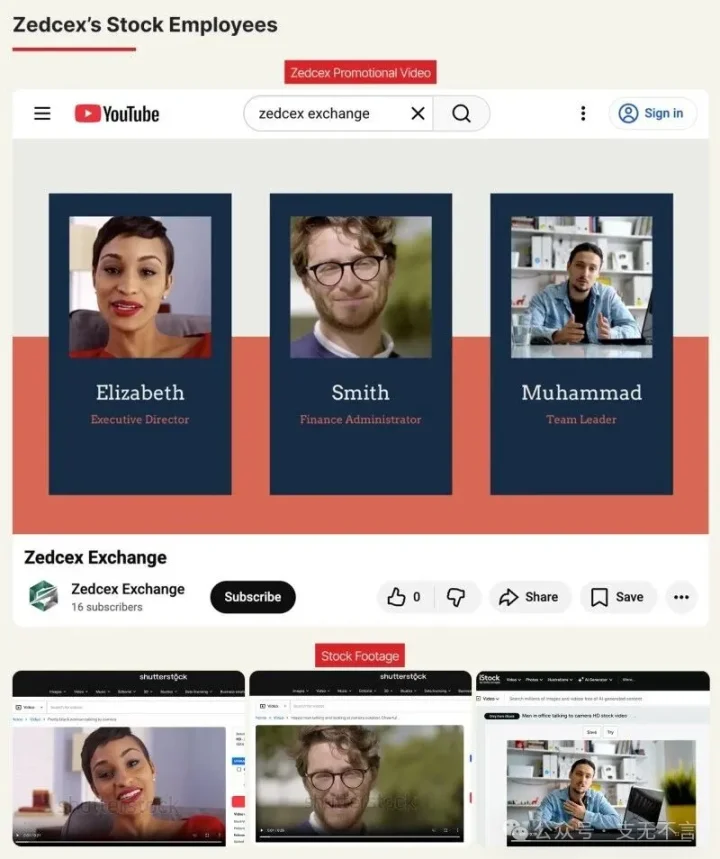
Official videos from both exchanges featured an “Executive Director” named Elizabeth Newman. OCCRP found she doesn’t exist—the woman’s image was lifted from stock footage on a commercial library site, tagged “Pretty Black woman talking to camera.”
Fictional personnel, ghost companies, astronomical on-chain transaction volumes. Yet OCCRP initially had only indirect leads. Though Zanjani’s name had appeared in Zedxion’s director records and whitepaper metadata, he’d long since scrubbed himself from all public documents.
The real breakthrough came from a cat.
In May 2024, Zedxion’s official Telegram channel posted a photo of a gray-and-white cat wearing a prominent purple bell. Months later, a cat with identical fur coloration, markings, and the same purple bell appeared on Solmaz Bani’s (Zanjani’s girlfriend) Facebook page.
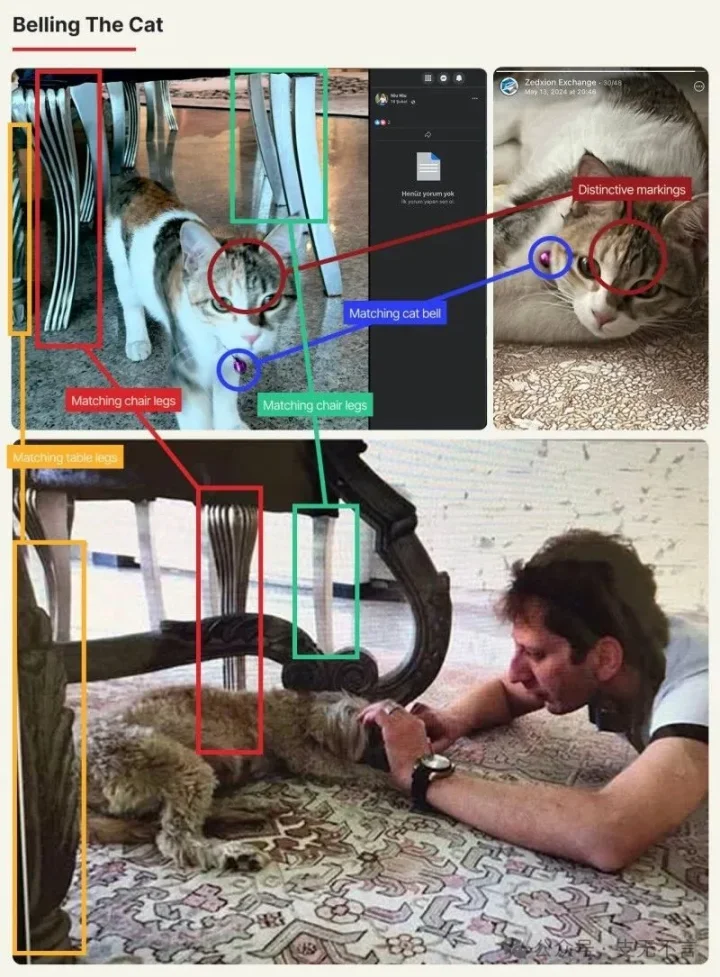
Following Bani’s trail, journalists discovered she registered Zedxion’s newsletter domain—and her name also appeared in Zedcex’s email login credentials. In Zedxion’s official YouTube tutorial video, auto-filled fields briefly flashed two names: “Solmaz” and “Babak.”
Even the IRGC’s money-laundering network couldn’t hide from a cat.
“We Endure Darkness, While They Mine Bitcoin”
Remember that $90 million burned from Nobitex?
Post-event analysis strongly suggests it was IRGC money. But externally, it simply looked like a $90 million hole appearing on the balance sheet of a top-tier exchange. Without swift action, a bank run could have erupted at any moment.
Nobitex chose to cover the shortfall out of its own pocket.
TRM Labs found that, following the hack, Nobitex rapidly consolidated roughly $2.7 million from over 100 long-dormant wallets to alleviate liquidity pressure. These wallets accumulated mining rewards in 2021 and 2022—and had never transferred funds before. Their upstream sources trace back to two major global mining pools: EMCD and ViaBTC.
We cannot confirm whether this capital came from external injections or Nobitex’s own mining reserve fund. But this episode offers a rare glimpse into Iran’s massive mining industry.
Cryptocurrency mining was legalized in Iran in 2019. Licensed miners were permitted to mine Bitcoin using subsidized electricity—and were required to sell all mined BTC to the Central Bank of Iran, which then used it to pay for imports, bypassing the dollar system.
The government set industrial electricity prices at $0.005 per kilowatt-hour, bringing the cost to produce one Bitcoin down to approximately $1,320. Even with Bitcoin’s price having fallen to $60,000–$70,000, profit margins remain extraordinary.
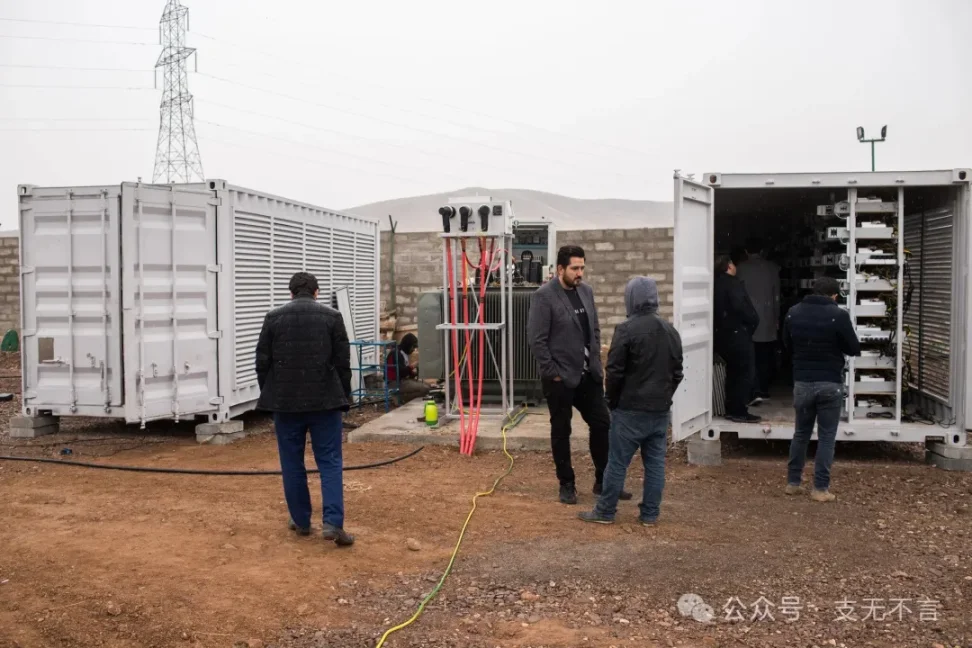
This margin explains what followed.
In 2022, Parliament passed legislation permitting the military to build private power plants. The IRGC directly diverted electricity originally allocated to cities. Mining facilities were established inside military bases and special economic zones. Astan Quds Razavi—the large religious foundation directly controlled by the Supreme Leader—participated deeply, effectively forming a de facto “mining cartel.”
As of 2023, of Iran’s roughly 180,000 mining rigs, 100,000 belonged to state- or IRGC-linked enterprises.
Yet Iran remains chronically electricity-deficient; rotating blackouts during extreme weather are common. Not only do residents suffer through scorching heat or freezing cold, frequent factory shutdowns cause industrial worker unemployment, while small businesses struggle amid unstable power supply. This has sparked protest slogans like “We endure darkness, while they mine Bitcoin.”
Where are the mining rigs hidden? A widely circulated theory points to mosques. In Iran, mosques legally enjoy free electricity. The 2025 budget bill exempted all IRGC bases, Basij centers, and mosques from electricity fees—while simultaneously raising household electricity tariffs by 38%.
In 2019, an Iranian researcher photographed approximately 100 mining rigs distributed across various rooms inside a mosque—lending credence to this theory.
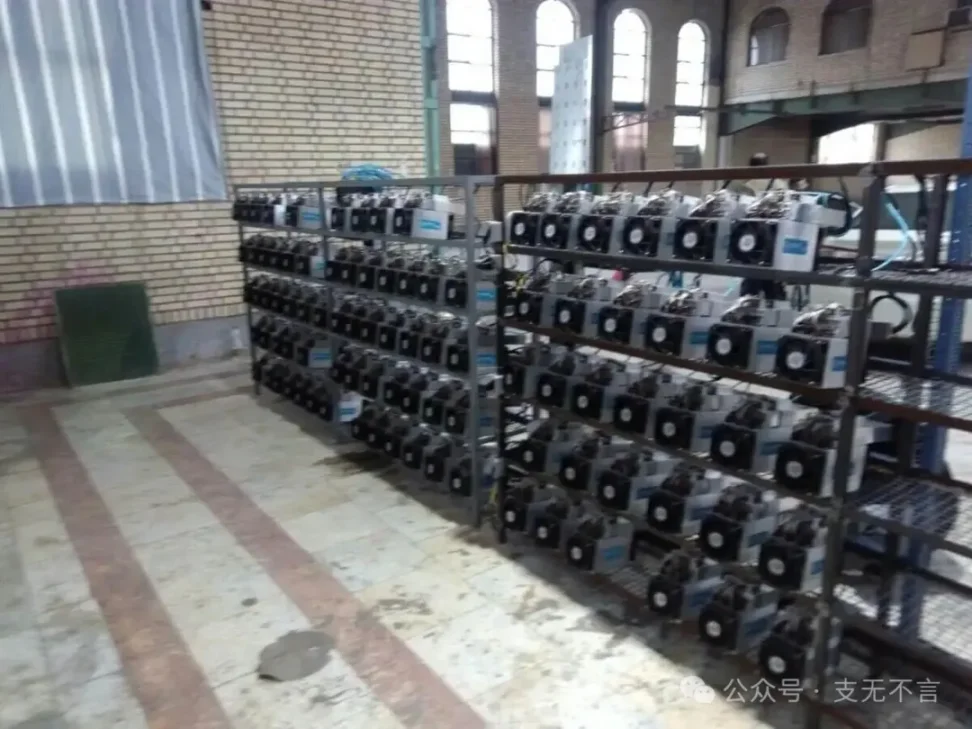
Yet some industry insiders hold opposing views. Urban transformers have load limits; large-scale mining risks system overload—or even explosions. If the government wanted to mine, it certainly possesses more discreet venues.
Regardless of where rigs are located, one figure is undeniable: The hash rate of illegal mining is roughly 400 times that of legal mining. Tavanir—the National Power Company under Iran’s Ministry of Energy—has resorted to nationwide bounties for reporting miners: initial rewards stood at 1 million toman (~$24), later raised to 200 million toman (~$2,300) per illegal rig.
Ordinary citizens report neighbors for $24, bearing surging electricity bills themselves—while military-protected mining farms operate openly. In 2021, when the Ministry of Energy attempted to shut down one such facility, IRGC armed personnel physically blocked the raid.
This is the true texture of Iranian crypto: One country, two sets of rules.
The Other Side of the Gulf
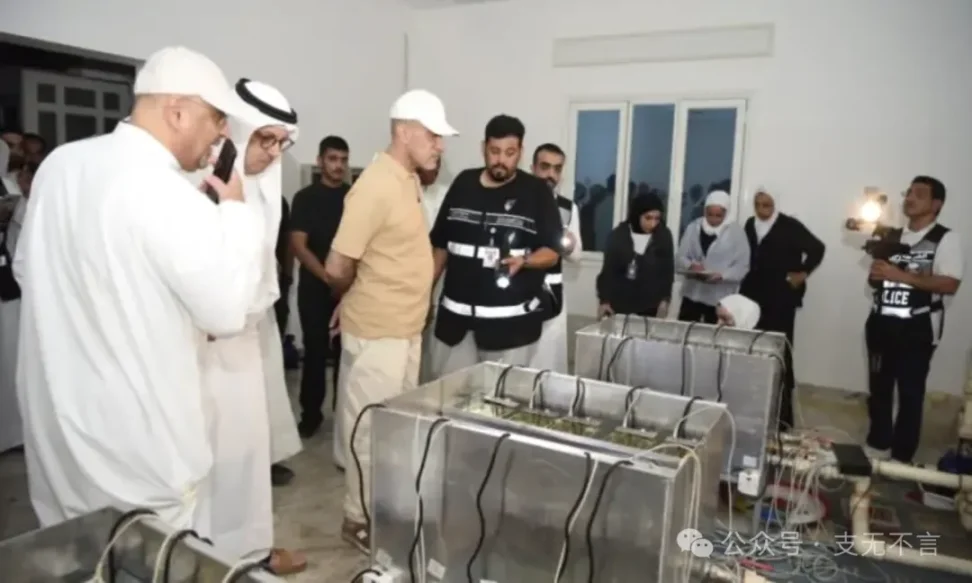
Earlier, we noted that producing one Bitcoin in Iran costs about $1,320. Across the Persian Gulf in Kuwait, that figure rises to $1,400. Where profits loom large, risk-taking follows—though Kuwaitis choose their bedrooms. To avoid suspicion, miners even turn off home air conditioning to mask the extra electricity draw.
Kuwait banned all crypto activity outright in 2023—but prohibitions couldn’t stop profits. In April 2025, the Interior Ministry conducted surprise raids, seizing over 100 illegal mining operations; electricity consumption in southern Wafra dropped sharply by 55% within one week.
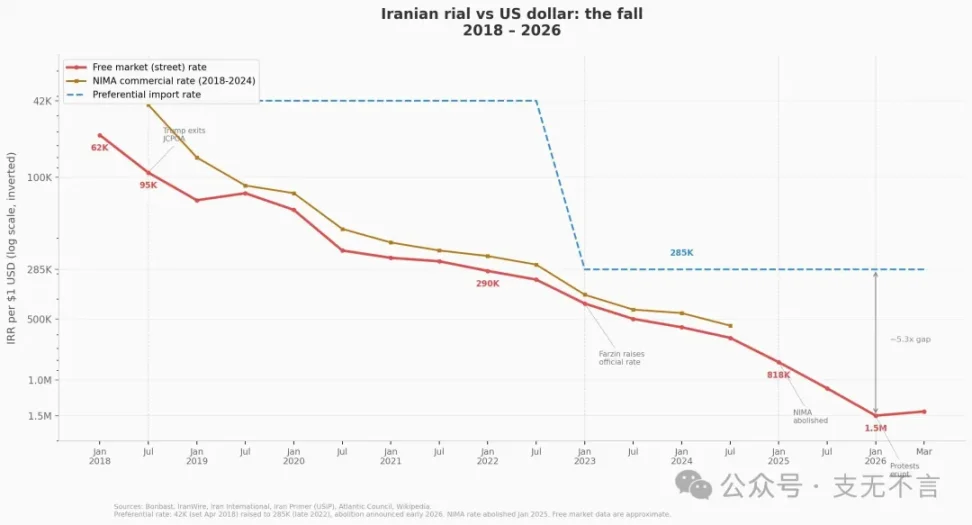
Mining narratives differ across nations—as do currency-devaluation stories. Why did Nobitex grow so explosively during those years? Precisely because the rial collapsed most severely then: In 2018, the black-market exchange rate hit 92,000 rials per USD; today it has plunged below 1.5 million.
Turkey’s lira followed a similar path—long-term inflation exceeding 30%. On Binance, the annual trading volume of USDT/LIRA surpassed $22 billion—larger than any Bitcoin trading pair. Between 2024 and 2025, Turkey received nearly $200 billion in crypto assets; over half of adults now hold crypto, distrusting their domestic currency and turning instead to on-chain dollars—even if many also dislike the United States. This plays out daily in Tehran and Istanbul alike.
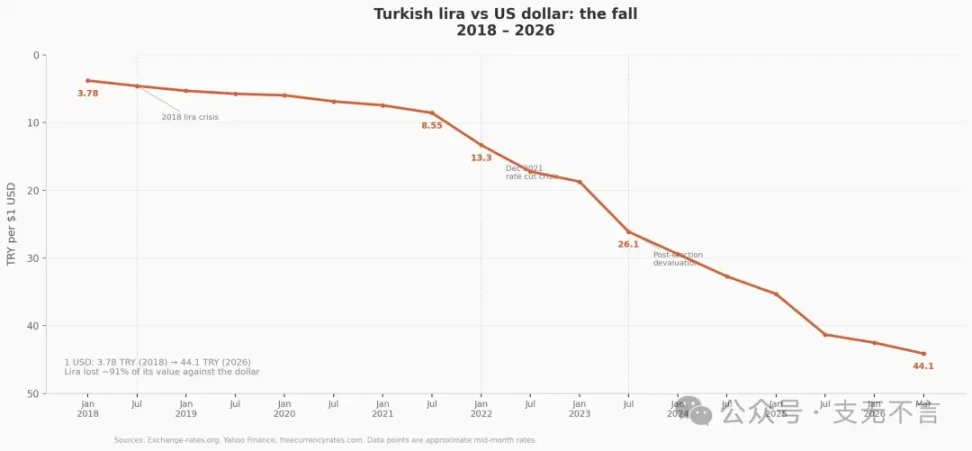
While some struggle to preserve purchasing power, other Gulf states are already discussing the next era. The UAE has embedded crypto into its national financial infrastructure blueprint; Dubai and Abu Dhabi each established dedicated virtual asset regulators; the dirham-pegged stablecoin gained approval and went live; annual crypto inflows reached $53 billion. The same technology serves as a survival tool on one side of the Gulf—and as a foreign-investment branding tool on the other.
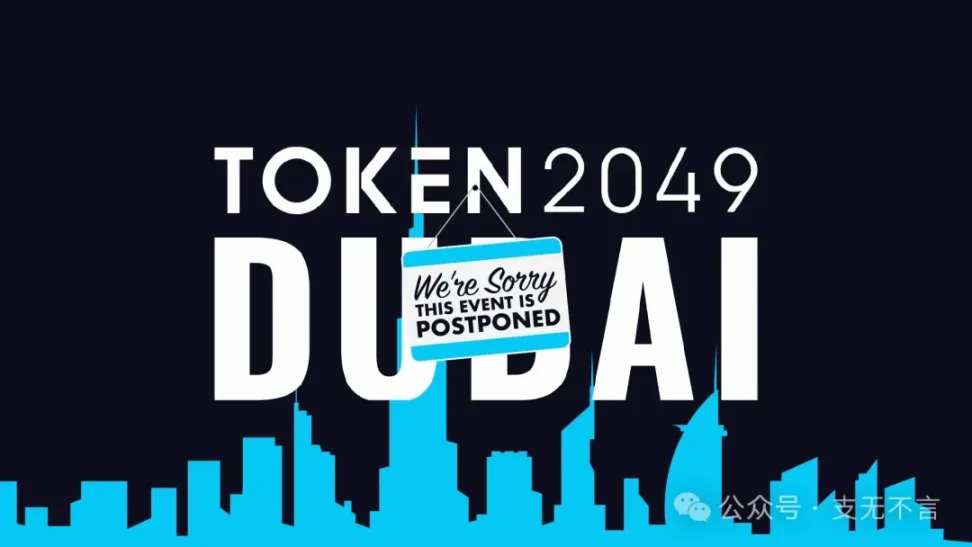
Ironically, Token2049 Dubai—originally scheduled for late April and one of the region’s flagship crypto brand events—was postponed to next year due to the Iran conflict.
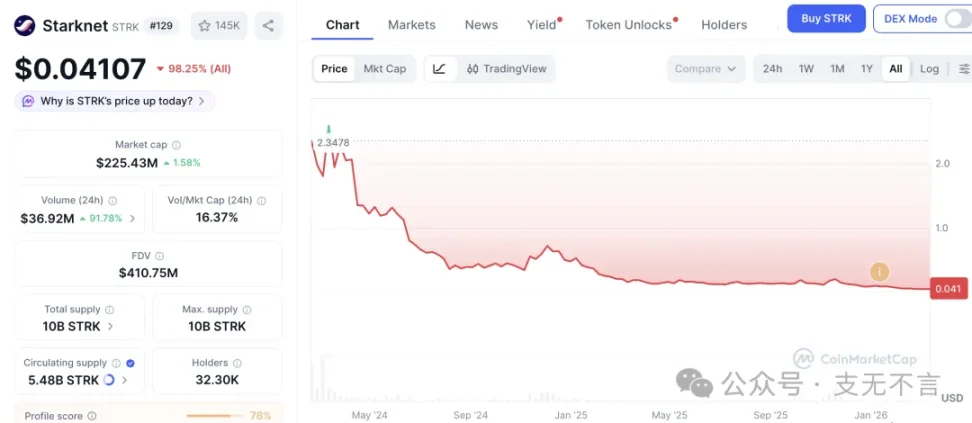
Meanwhile, Israel—the archrival launching strikes against Iran—plays a far more aloof role in the crypto world. It lacks cheap electricity and doesn’t need crypto to circumvent sanctions—but hosts the world’s densest concentration of blockchain startups. Multiple core projects in zero-knowledge proofs originated from Israeli teams; StarkWare reached an $8 billion valuation in 2025. Though its STRK token crashed 90% after launch—becoming emblematic of a “doomed” project—the ecosystem still sees little adoption.
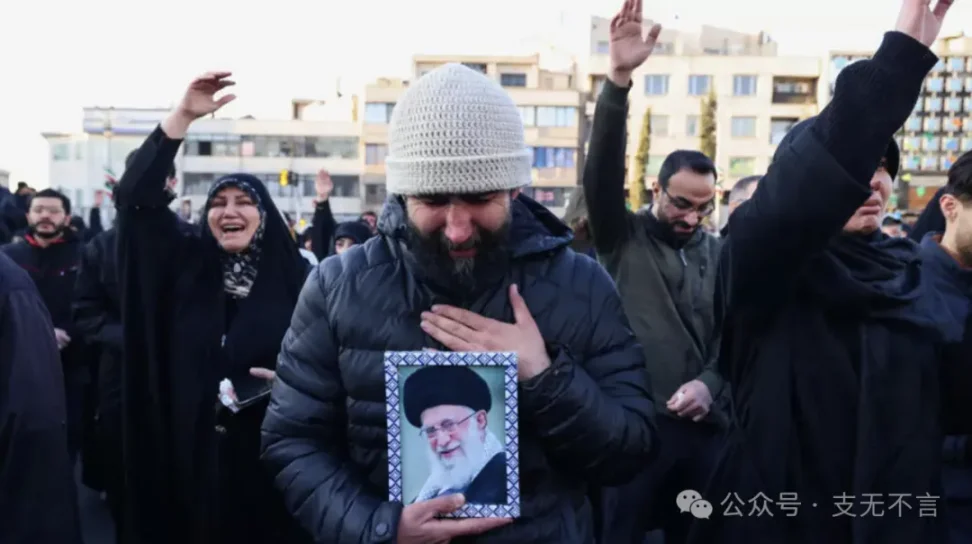
Same Gulf, different worlds—yet both are now swept up in the same war. As this article was finalized, some names referenced herein had already vanished. Khamenei died in an airstrike at the end of February 2026. Multiple senior IRGC commanders were eliminated in joint U.S.-Israeli operations. Those funds routed through ghost accounts into Nobitex remain traceable on-chain—yet the individuals behind those addresses may have changed multiple times. Nine centuries ago, the Persian poet Omar Khayyam wrote in the Rubaiyat:
In Jamshid’s palace, where wine cups gleamed,
Now deer give birth, lions make their lair.
Bahram, who hunted wild asses all his life,
Now lies captured by the grave, sleeping deep.
Crypto in the Middle East has never been just one thing. It is many things: a compliance license in a Dubai high-rise; a lifeline against lira depreciation on Ankara streets; the faint hum of fans suspected to emanate from the basement of an Isfahan mosque; $94 billion flowing through a virtual address in Covent Garden; a cat wearing a purple bell.
Years from now, when people look back on this chapter of Middle Eastern crypto history, they may marvel at how it simultaneously embodied the most advanced technologies of our age—and the most ancient conflicts. Yet for ordinary Middle Easterners right now—those depositing their meager salaries into Nobitex just to preserve value—this isn’t history. It’s their present.
Join TechFlow official community to stay tuned
Telegram:https://t.me/TechFlowDaily
X (Twitter):https://x.com/TechFlowPost
X (Twitter) EN:https://x.com/BlockFlow_News
 @PodOur2Cents