Coinbase founder: Unlocking stablecoin yields is a win-win move
TechFlow Selected TechFlow Selected
Coinbase founder: Unlocking stablecoin yields is a win-win move
Allowing stablecoins to pay interest would benefit the U.S. and global economy.
 Navigating Web3 tides with focused insights
By: Brian Armstrong
Translation: Luffy, Foresight News
TL;DR: U.S. stablecoin legislation should allow consumers to earn interest on stablecoins. The government should not favor one industry over another—both banks and crypto companies should be permitted to share yield with consumers, in line with free-market principles.
Stablecoins have already achieved product-market fit by digitizing the U.S. dollar and other fiat currencies. Yet a critical piece remains unsolved—for ordinary people and for the U.S. economy—to unlock their full benefits: on-chain yield.
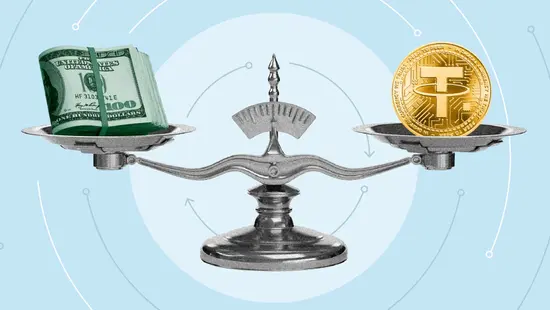
A quick background: Stablecoins like USDC are backed 1:1 by dollars. Issuers typically invest those dollar reserves in low-risk assets such as short-term U.S. Treasuries. The interest earned from these investments is usually retained by the issuer. “On-chain yield” means stablecoins can function as a payment instrument while passing the interest earned on reserves directly to holders—effectively creating an interest-bearing checking account.
I believe unlocking on-chain yield from stablecoins is a win-win:
U.S. consumers benefit. They stand to gain the most from on-chain yield—and lose the most without it. In 2024, the average federal funds rate/market yields were around 4.75%, while typical consumer savings accounts yielded only 0.41% (often just 0.01%). With inflation at approximately 3% last year, the gap between market returns and what consumers receive eroded their purchasing power by 2.5%. There’s now a clear solution: On-chain yield democratizes access to market-rate returns, giving everyday people a fair chance to preserve and grow their wealth. Instead of a savings account earning 0.01%, consumers could earn over 4% directly through stablecoins.
Billions globally benefit. They gain access to interest-bearing U.S. dollars. Billions of people worldwide still lack adequate financial services and see their savings eroded by volatile local currencies. They don’t have access to U.S. dollars, let alone interest-bearing ones. Interest-bearing dollar stablecoins can connect them to an instant, transparent, and global financial system—with nothing more than a simple internet connection. No need to visit bank branches, no excessive overdraft fees or remittance costs. This is a crypto-powered system that delivers equal access to financial services for everyone.
The U.S. economy benefits. Stablecoins are already among the largest holders of U.S. Treasuries—owning more than most countries—and may soon become the single largest holder. They are rapidly connecting global users to the dollar system, recycling capital back into the U.S. Treasury market, and expanding the dollar’s dominance in an increasingly digital global economy. More yield in consumers’ hands means more spending, saving, and investing, fueling economic growth wherever stablecoins are used. If we fail to unlock on-chain yield, the U.S. will miss out on billions of users and trillions of dollars in potential cash flows.
So why aren’t we moving forward? The technology is ready—but the law isn’t. Unlike interest-bearing checking and savings accounts, stablecoins currently lack exemptions under securities laws that would allow issuers to pay interest to users. Stablecoins should be able to pay interest just like traditional savings accounts, without facing burdensome disclosure requirements or tax implications imposed by securities regulations.
Today, we have a major opportunity: a pro-crypto executive branch and Congress actively working on new stablecoin legislation. We can choose to level the playing field, ensuring these laws pave the way for all regulated stablecoins to pay interest directly to consumers—just like savings or checking accounts.
Otherwise, we’re protecting an outdated system that pays ordinary people 0.01% while capturing most of the yield for intermediaries.
Consumers deserve a larger share. Opening the door to on-chain yield will ultimately benefit consumers and keep this innovation within the United States.
Join TechFlow official community to stay tuned
Telegram:https://t.me/TechFlowDaily
X (Twitter):https://x.com/TechFlowPost
X (Twitter) EN:https://x.com/BlockFlow_News