Paradigm: Community as Foundation — Five Principles for Building a Warm and Vibrant Crypto Community
TechFlow Selected TechFlow Selected
Paradigm: Community as Foundation — Five Principles for Building a Warm and Vibrant Crypto Community
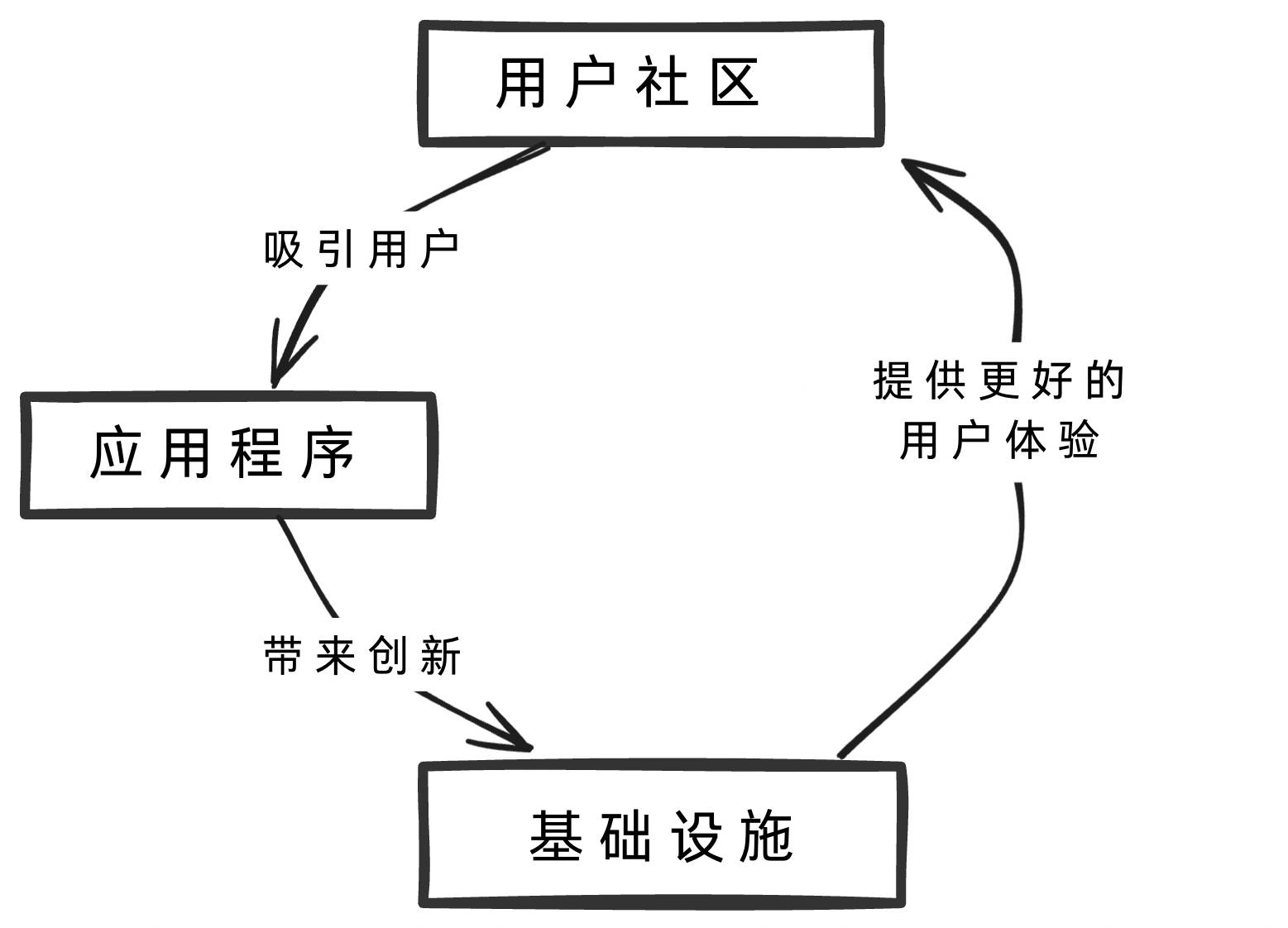
Community is the core of the ecosystem's growth flywheel.
 Navigating Web3 tides with focused insights
Author: Nick Martitsch
Translation: TechFlow
Many crypto teams focus too heavily on short-term growth tactics, struggling to convert high-cost user acquisition into active, long-term communities. Recently, I hosted a roundtable discussion with intern from monad_xyz and binji_x from Optimism to explore what drives network effects in Superchain applications and the rapidly growing Nads ecosystem—and how other teams can apply these lessons to their early-stage growth.
Here are my five key takeaways for building active user communities in crypto:
1. Community is the core of your ecosystem's growth flywheel
Everyone wants to engage users where they already are. When community members advocate for your project, it sends a signal that reduces uncertainty for application developers and infrastructure providers considering joining your ecosystem. These new tools and apps then attract more community members and users—restarting the virtuous cycle.
The Link Marines exemplify this phenomenon, actively promoting chainlink's core value proposition across Twitter, protocol forums, and other platforms where oracle providers are discussed.
Social validation from the Monad community has become a unique selling point for developer teams considering deployment. Some teams have found that simply tweeting "gmonad" generates their highest engagement—largely due to enthusiastic responses from Nads (community members). The Optimism ecosystem team frequently echoes this sentiment with the motto: "Community isn’t everything—it’s the only thing," using it as a guiding principle for developers.
Teams should integrate community experience into their Day 1 growth strategy and consider hiring dedicated community roles early to kickstart this flywheel—making future business development efforts around infrastructure and applications significantly easier.
2. Qualitative experience trumps quantitative metrics in early community building
A strong community should feel like standing at the forefront of the next wave of the internet, where members actively shape discussions and influence development trajectories. Beyond spending ten minutes in your Discord or forum asking whether you genuinely enjoy the experience and want to contribute to its vision, this feeling is hard to quantify.
Many teams mistakenly fixate on rigid metrics like Discord member count or Twitter followers. This approach optimizes for robotic interactions with large audiences who care only about surface-level content. It risks undermining the authentic human connections necessary for community building and decreases the likelihood of retaining your most valuable contributors over time.
As communities scale, teams should identify key metrics that still reflect qualitative engagement. Kevin likes tracking the number of high-quality replies on the Monad Twitter account, filtering out "GM" messages to see how many people are truly participating. Binji pays attention to the number of follow-up replies within main threads—an indicator of genuine interpersonal interaction among community members.
3. Incentives may bring users in, but culture keeps them staying
The crypto industry isn't alone in using economic incentives to attract new users. PayPal, Uber, Airbnb, and many other Web2 companies seeking to solve cold-start problems have done this for years. What makes crypto unique is the scale of these incentives and the overreliance on them to drive short-term adoption.
Every user onboarding strategy must be paired with a thoughtful retention plan—a consideration too few teams prioritize. During mass onboarding via quests, airdrops, and incentive programs, teams risk diluting authentic community interaction by attracting bots and bounty hunters.
Users stay in an ecosystem when they discover use cases, experiences, or connections that deeply resonate with them. Teams should treat onboarding as the start of the user funnel, focusing on crafting memorable experiences that compel users to return again and again.
4. Promote and optimistically delegate trust within your community
Your community is your best leverage for entering new markets, crowdsourcing product ideas, and extending beyond the capacity of the founding team. To fully tap into this collective intelligence, establish structured processes to identify outstanding community members and elevate them into formal roles.
Optimism offers distinct contribution pathways for data analysts, content creators, developer support, and other key functions, allowing participants to earn retroactive rewards through the NERDs program for their dedicated work. Monad has promoted over 15 community members into critical roles focused on community expansion and education—and has yet to revoke any entrusted responsibilities due to broken trust.
If you don’t empower your community, don’t expect them to stand up for you.
5. Human-centric onboarding creates human-centric communities
People want to interact with other people, not corporations or bots. Seek ways to enhance human-to-human interaction during onboarding—even if it seems difficult to scale.
Monad introduced a beginner channel on Discord where new users must have a conversation with real people to pass community screening. Counterintuitively, this additional onboarding friction led to higher retention, as users spent 10–15 minutes forming stronger emotional connections to the Discord upon entry.
At Optimism, Binji intentionally uses his personal account to engage with the OP community, interacting just as frequently—or even more—than the official Optimism account. When community members can connect with real individuals and build relationships, they’re far more likely to engage in meaningful dialogue.
Join TechFlow official community to stay tuned
Telegram:https://t.me/TechFlowDaily
X (Twitter):https://x.com/TechFlowPost
X (Twitter) EN:https://x.com/BlockFlow_News
 Paradigm