Game "POC": Can Space Nation's new model make people "addicted"?
TechFlow Selected TechFlow Selected
Game "POC": Can Space Nation's new model make people "addicted"?
A steady stream of solutions for a virtuous cycle in blockchain gaming continues to emerge. Starting from addiction models, this article explores whether Space Nation's POC model can succeed.
 Navigating Web3 tides with focused insights
1. Project Overview
Space Nation is set in a vast space universe—the Telikos galaxy—inviting players to embark on a journey of survival, exploration, and warfare deep in the cosmos. As spaceship captains, players traverse hazardous environments, interact with diverse species, and uncover secrets hidden within ancient space ruins. From resource gathering to interstellar combat, political alliances to cultural discovery, every choice presents challenges and every decision carries lasting consequences. Leveraging cutting-edge virtual reality (VR) and augmented reality (AR) technologies, Space Nation delivers an unprecedented immersive gaming experience.
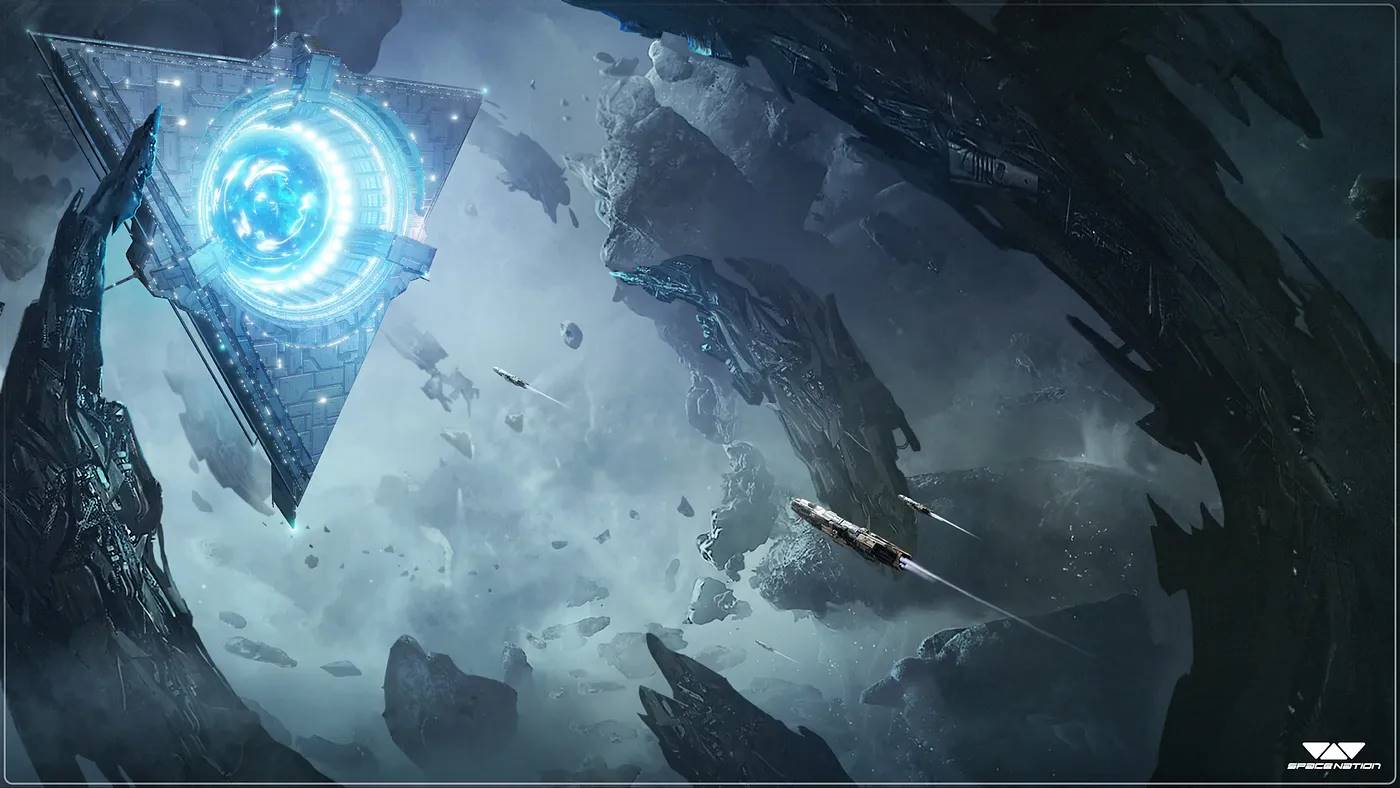
Space Nation focuses on building a complex and sustainable game economy on the Web3 track, integrating Play-for-Fun (P4F) and Play-to-Earn (P2E) elements to appeal to both mainstream Web2 gamers and dedicated Web3 users.
Recently, Space Nation partnered with OKX to launch a co-branded spaceship during its anniversary celebration. The released vessel is the Bering X-pathfinder Edition—a limited-edition explorer ship featuring distinctive OKX design elements and unique in-game exploration mechanics.
Keywords: AAA title; space sci-fi; POC model; team strength; AI
2. Game Ecosystem
Holding relevant game NFTs grants access to the game without requiring an activation code. Below is an overview of the game's asset releases and operational status:
Space Nation’s NFTs fall into two categories: rights-based NFTs (including Genesis NFTs and PFPs), and in-game item NFTs (such as various ships and vessels), with some types not yet disclosed:
-
Note: Floor prices listed are accurate as of May 15, 2024
Rights-Based NFTs
-
Genesis NFT — Alpha Gate
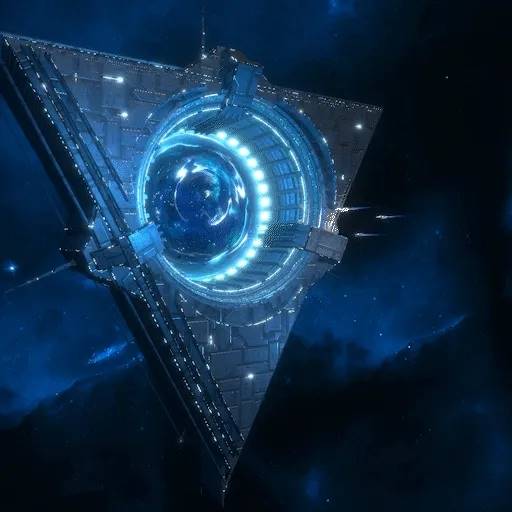
● Airdrops, whitelist allocations, and $OIK rewards for various assets
● Priority purchase rights
● Early access privileges
● Exclusive access to online and offline private events
Supply: 515 total; team reserves 55
Mint Price: Free Mint
Floor Price: 4 ETH
-
Collaboration — Space Nation: Ape Odyssey NFT
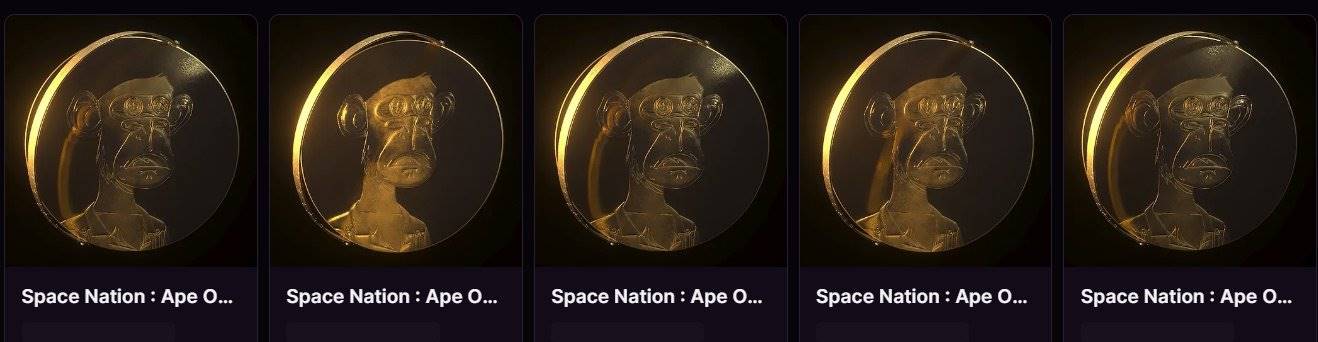
● Grants 1 Prime Navigator PFP
● Special achievement mechanism with boosted $OIK distribution
● Whitelist access to T1/T2/T3 mining ship NFTs
● Additional future benefits
Supply: 300
Mint Price: 0.3 ETH or equivalent $APE
Floor Price: 0.17 ETH
Note: This collaborative NFT has already distributed the Genesis PFP and granted mining ship whitelists. Holders who completed all steps have seen stable returns exceeding 10x within less than two months, indicating significant underlying value potential.
-
PFP — The Prime Navigator
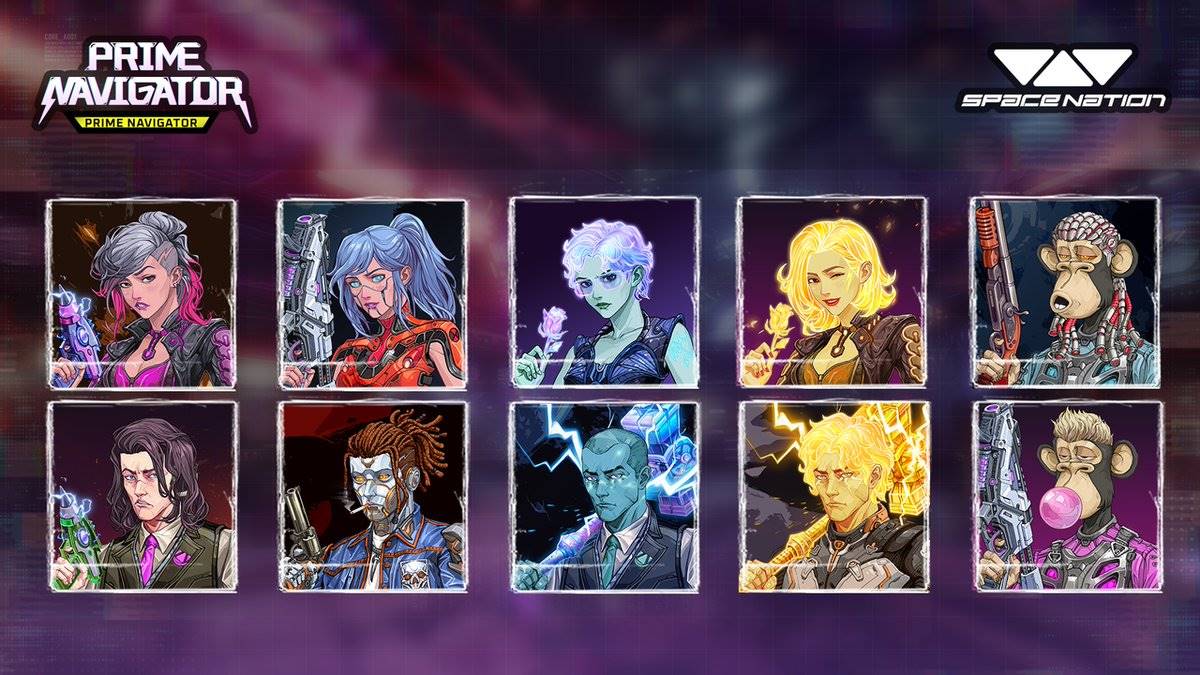
● Governance token $OIK airdrops
● Logistikos boost — increased ecosystem rewards
● Early access to Closed Beta and future game versions
● Multiple privileges within the ecosystem and community-customized features
Supply: 3,056 total; 300 airdropped to $APE Launchpad participants
Mint Price: 0.3 ETH for whitelist, 0.4 ETH for public sale
Floor Price: 0.78 ETH
Item NFTs
Currently, over ten spacecraft are available in the selection interface, categorized as battle ships, mining ships, and exploration ships. Each ship varies in characteristics, firepower, and handling. Every new player receives a free T0 ship upon joining.
-
T0: The "Gray Fox" spaceship is rarely used due to limited weapon capacity and has been largely replaced by T1 ships.
-
T1: The "Enforcer" offers balanced stats with three weapon slots, excellent speed, agility, and firepower, making it advantageous for resource competition and interaction.
-
T2: The "Humpback" packs more power than T1 but suffers from poor turning ability and low agility, putting it at a disadvantage during resource grabs.
-
T3: The "Falser" is widely adopted thanks to its four weapon mounts. Despite being the heaviest and slowest, its turret-based rotation significantly enhances maneuverability. It also boasts the longest attack range and supports exclusive high-damage weapons.
-
Only T0–T2 combat ships are available in current testing phases.
Ships are divided into seven tiers from T0 to T6. The majority of in-game ships will be constructed by players using mined minerals, materials, and blueprints collected within the game—or purchased from other players. The project team will only release a limited number of special ships at low prices. Ships from T4 and above can only be built by players and guilds in-game to maintain balance.
Based on this logic, the equipment-type NFTs currently released include:
-
Purple Ship — Enforcer Founder Edition Spaceship
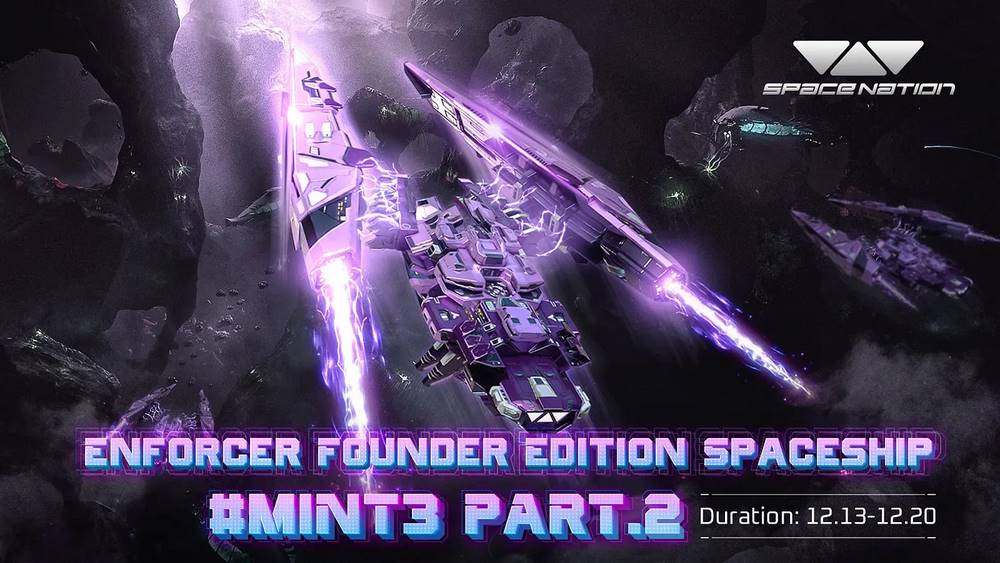
● Limited edition T1 ship that stands out with superior firepower compared to similar models
● Ownership guarantees beta test participation, exclusive early access, and opportunities to earn OIK through the achievement system
Supply: 1,155
Mint Price: 0.02 ETH for whitelist, 0.03 ETH for public sale
Floor Price: 0.275 ETH
Gameplay revolves around three types of ship equipment, utilizing roles such as producers and arms dealers to complete a closed-loop logic of mining, production, and consumption:
-
Mining Ships
This is not traditional crypto mining. Equipped with high-output mining ships, players must deal significant damage to ore deposits to obtain loot. Drop items include Darkrock, Starfall, Tritium, and occasionally Argon with good luck. Miners can list these items on the auction house to exchange for CHR.
Supply: T1 – 900 / T2 – 600 / T3 – 300; currently only T1 is released
CosmocraftV Mining Vessel – 900 units
Cosmocraft includes tickets for T2 and T3 mining ships, though they are not yet usable
Mint Price: 100 USDT
Floor Prices: T1: 0.5 ETH / T2: 0.9 ETH / T3: 1.4 ETH / CosmocraftV: 0.9 ETH
-
Combat Ships
Complete main and side quests, defeat bosses, sell gear; engage in PvP, join guild battles or tournaments—requiring higher investment and strategic choices.
● Brave: Increases efficiency and allows rapid course adjustments, improving mobility
● Killer: Standard design with high speed and flexibility, giving fighters strong space combat capabilities
● Enforcer: Developed by a space tech company within the Oikos star system
Production Method: Crafted in-game by players; three T2 ships have already emerged
Current Supply: 405
Floor Price: 151.8 IMX
-
Exploration Ships:
By exchanging information gathered while exploring known and unknown cosmic frontiers, players create treasure maps and sell them to guilds or individuals for compensation.
Status: Not yet revealed, upcoming release
3. Tokenomics & POC Model
Token Structure — CHR and OIK
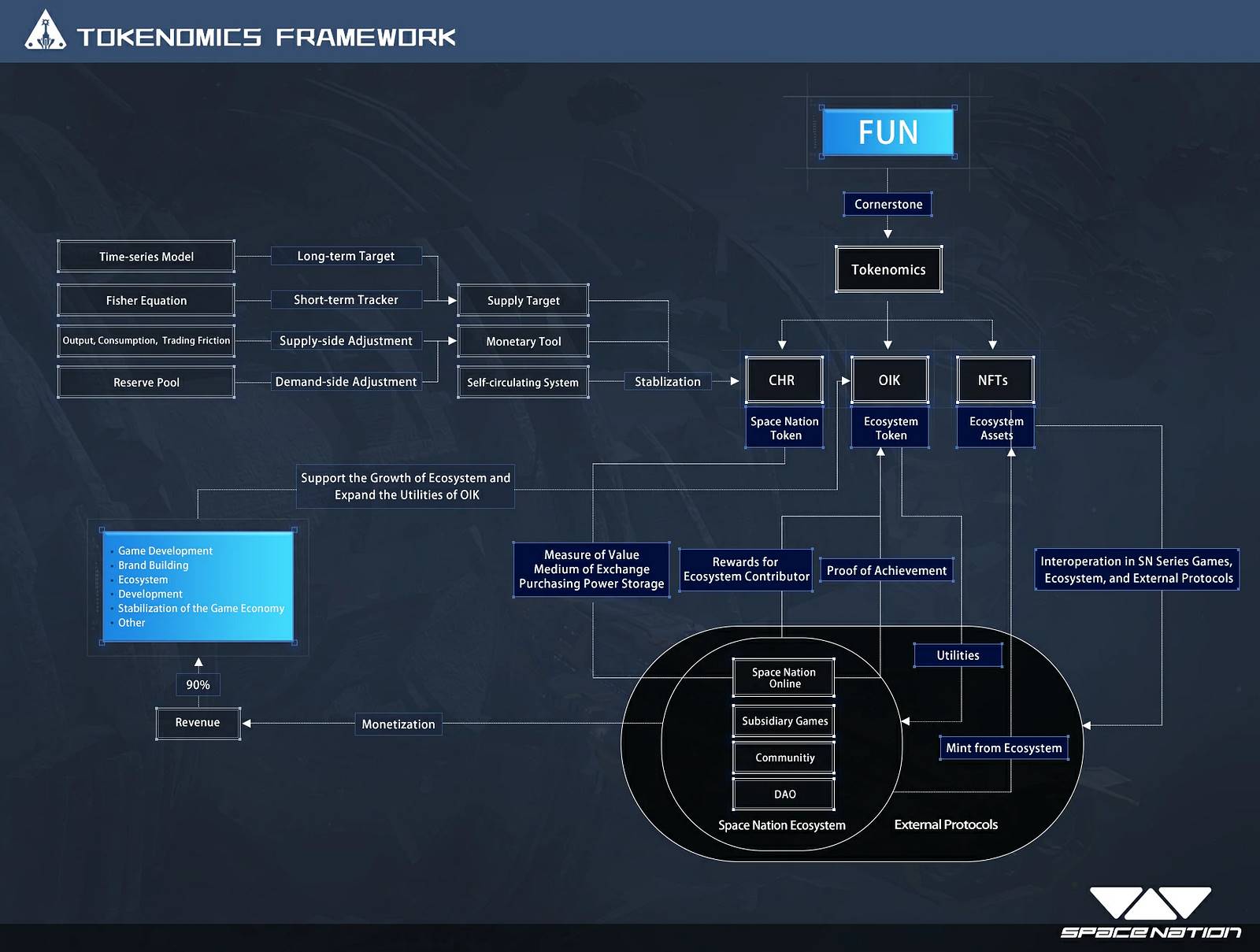
While the whitepaper’s economic model appears complex, its core rests on three pillars:
-
NFTs: In-game and external assets that can be staked for appreciation or used to enhance gameplay efficiency.
-
CHR: In-game currency
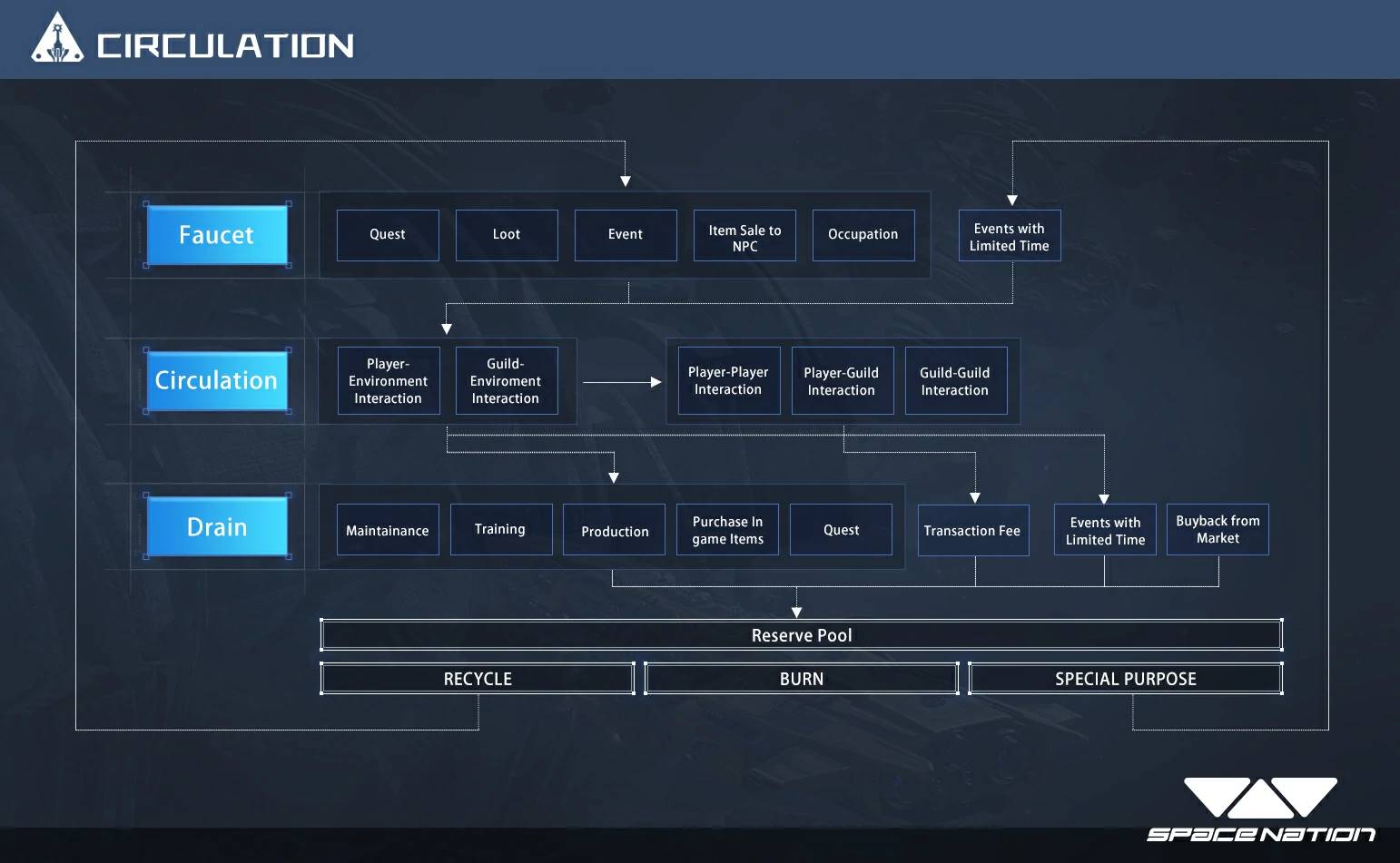
From the supply side, CHR is issued without a hard cap and may go on-chain in the future. Using time-series analysis and the Fisher equation, the team plans to dynamically control token output across stages to achieve equilibrium.
(Note: M = average money supply in circulation over a given period; V = velocity of money; P = price level or weighted average of goods; T = volume of transactions for goods)

On the demand side, CHR is consumed through training, production, purchasing in-game items, transaction fees, buyback programs, and more—well-integrated with core game mechanics.
-
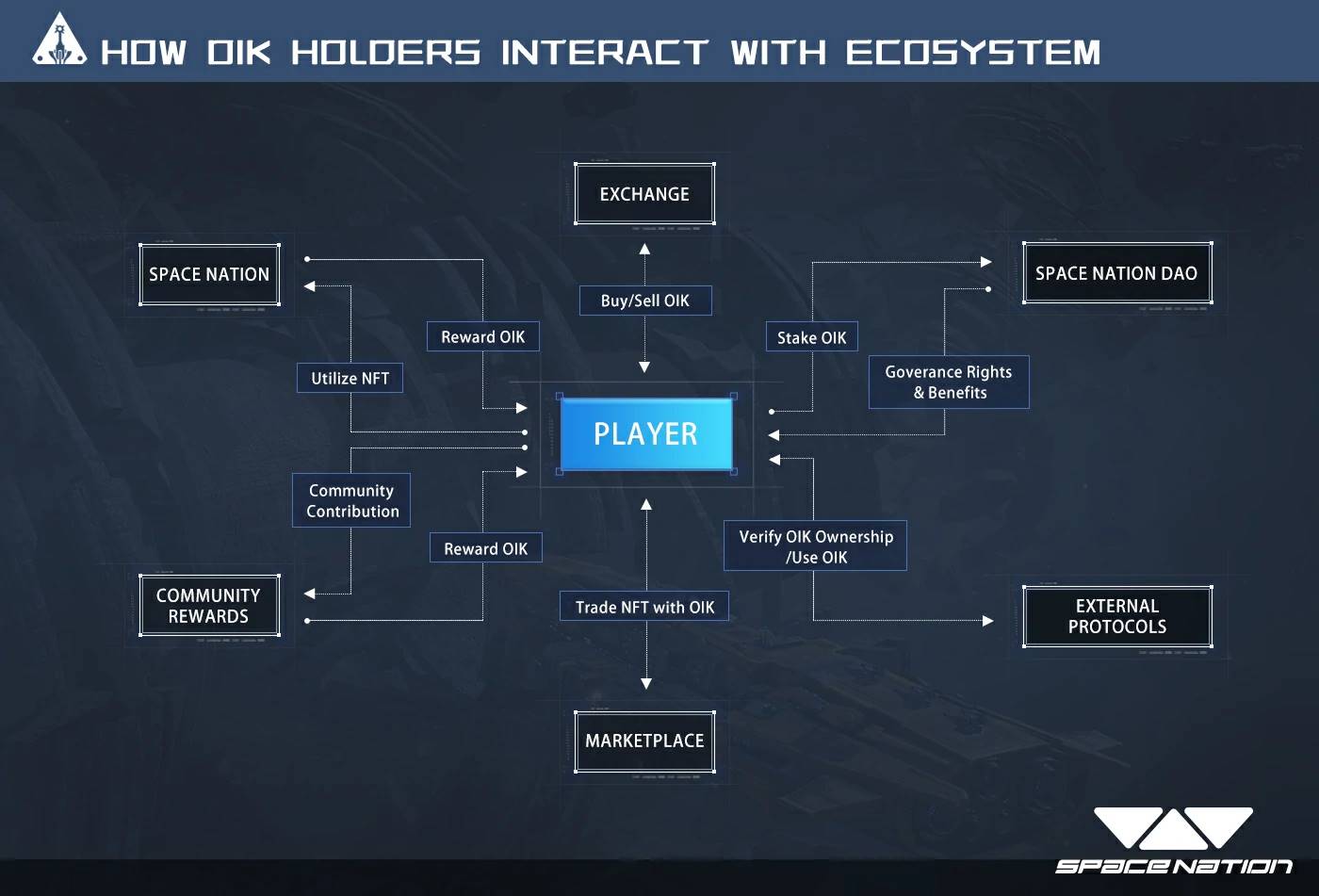
OIK: Governance token with a total supply of 1 billion, unlocking over 10 years with a clear TGE (token generation event).
Primary uses include: participating in ecosystem governance, qualifying for airdrops, directly purchasing officially issued NFTs. Incentive mechanisms (airdrops) and staking opportunities will also exist. Given the strong performance of existing NFTs, expectations for OIK remain high.
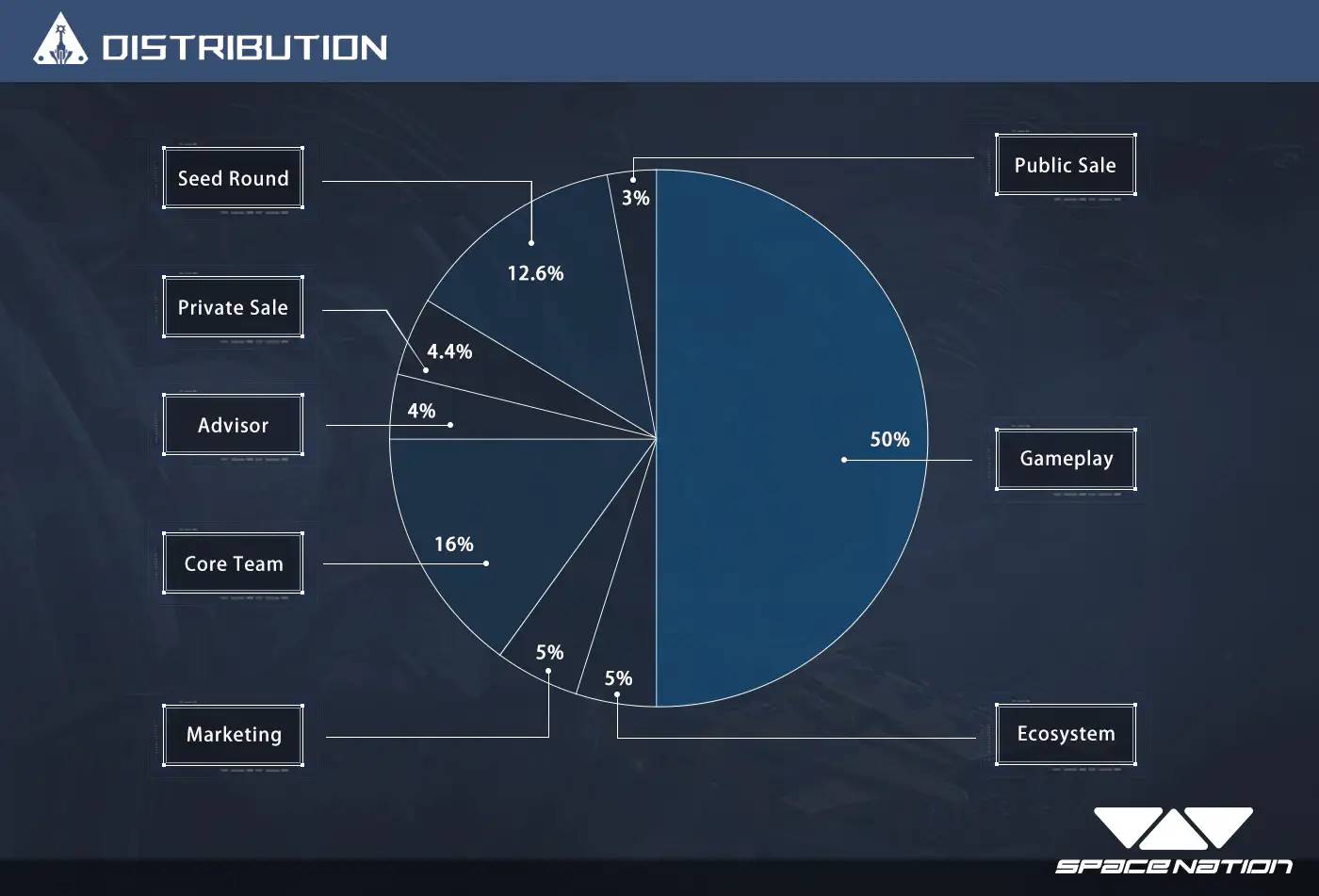
Distribution breakdown:
-
Game: 50%
-
Core Team: 16%
-
Seed Round: 12.6%
-
Ecosystem: 5%
-
Marketing: 5%
-
Private Sale: 4.4%
-
Advisors: 4%
-
Public Sale: 3%
Behind the POC Model — The Mechanics of Addiction
It is well known that blockchain games have often fallen into a death spiral, leading many to scrutinize economic models whenever a new game launches, analyzing issuance, distribution, and feasibility to predict longevity. Yet, reality often falls short of idealistic projections.
However, is long-term sustainability truly dependent solely on economic model execution? Must a game collapse once speculators leave?
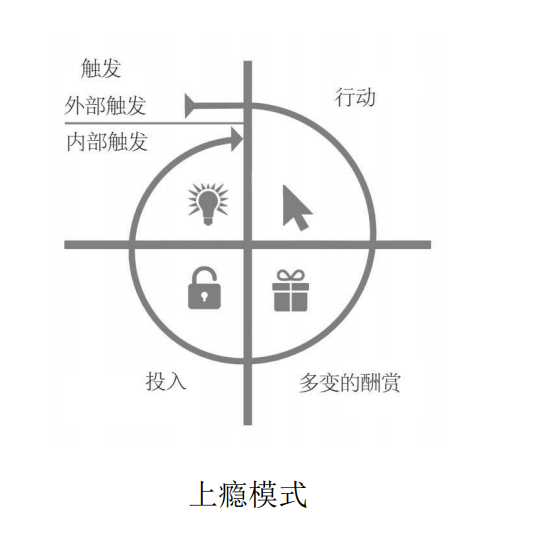
Here, we introduce Nir Eyal’s “Hooked” model—a product-driven framework based on behavioral psychology—to analyze the strengths of Space Nation’s proposed POC (Proof of Contribution) model through a gamification lens.
What is Space Nation’s POC model?
POC, or Proof of Contribution, is a system where Space Nation plans to distribute 50% of $OIK tokens over 10 years to all contributors—anyone actively participating in the game.
[It is a complex, reliable, and fair system measuring player contributions. Factors such as assets, identity, collectibles, activity, labor, interactions, combat power, and luck are evaluated to calculate a composite Contribution Score. Players receive weekly $OIK distributions from the Gameplay Airdrop Pool based on their score.]
Within the entire Space Nation ecosystem, the POC mechanism serves as the primary method for acquiring $OIK. Essentially, it provides variable incentives based on user actions, investments, and outputs. We break this down using the following model:
Translating this into gaming terms:
Trigger: External cues motivate players to start playing.
Action: Refers to the actual gameplay process.
Reward: The incentive system—rewards for achieving goals—that must be variable to sustain interest.
Investment: Occurs when players contribute personal data, capital, time, effort, and money.
For Space Nation, the trigger phase is highly effective: strong team credentials, robust funding, years of game development, and a polished 3A-tier demo serve as powerful external triggers that easily propel users into action. Particularly compelling for sci-fi fans are the epic battle visuals and the involvement of a Hollywood director.
In the second stage—Action—player engagement hinges on two factors: motivation and ability.
-
Motivation refers to providing players with clear objectives.
-
Ability relates to how accessible the game feels—in essence, difficulty design.
First, goal clarity is established by layering and segmenting game objectives.
This defines what players should pursue, what challenges they face, and what obstacles they must overcome. Clear goals help players immediately understand their mission—whether defeating enemy squads, taking down bosses, selling gear, or ranking high in guilds. Space Nation Online aims to build a virtual space society where players choose their path based on preference: miner, warrior, pirate, explorer, mercenary, producer, arms dealer, or even ruler. Risk-averse players might choose mining, analytical thinkers could thrive as information traders, thrill-seekers may opt for combat roles, or join established guilds for greater rewards.
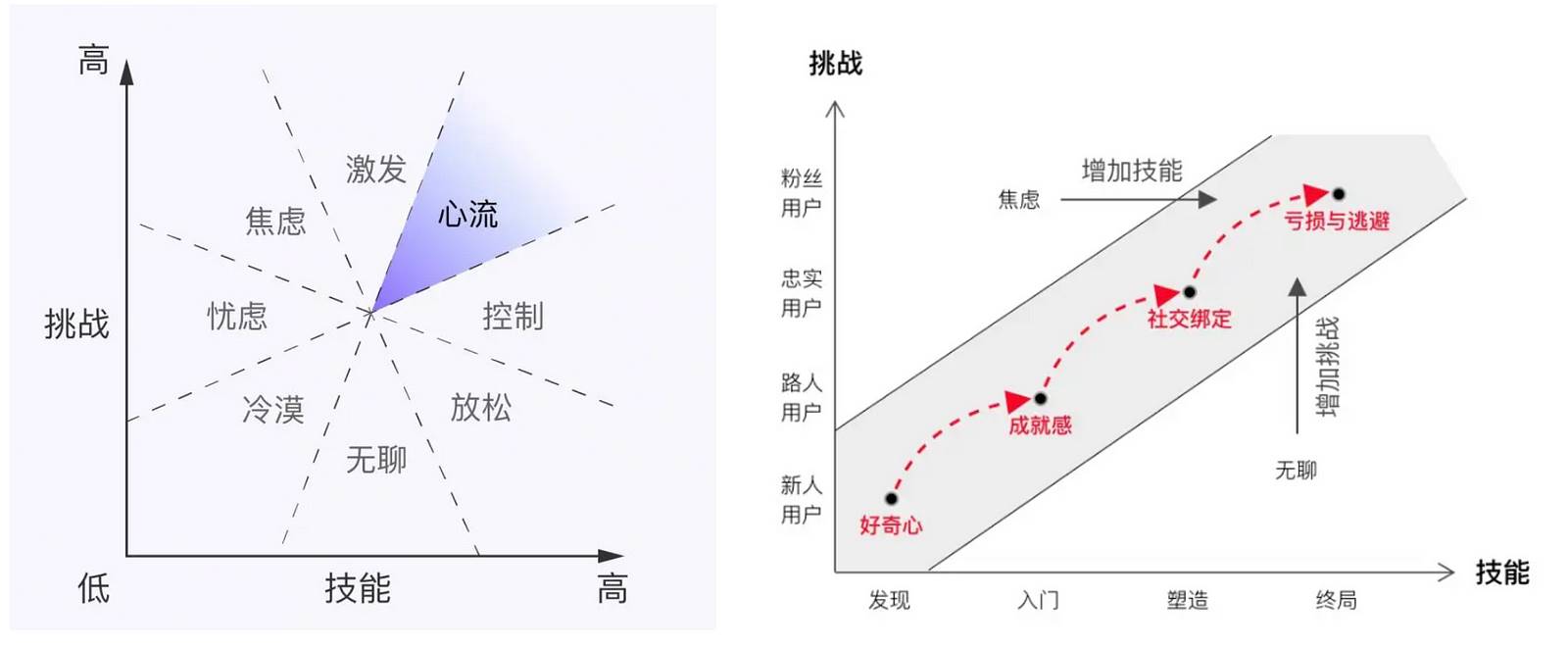
Next, “ability” ties into difficulty management. Themes like “sci-fi,” “combat,” and “AAA” might intimidate some users. Here, Mihaly Csikszentmihalyi’s Flow Model (challenge-skill balance) applies: if skill exceeds challenge, boredom sets in; if challenge exceeds skill, anxiety follows. Thus, Space Nation implements tiered challenges and progressive goal-setting. Thanks to the POC system and recurring active missions and achievements, players are guided gradually to fully grasp the game.
Like weight loss or vocabulary learning, distant goals (e.g., lose 20 lbs or memorize 1,000 words) can feel overwhelming. Breaking them into small, achievable, measurable steps makes them seem feasible—and thus actionable.
Space Nation clearly maps progression paths, allowing users to choose directions and deconstruct overarching goals accordingly.
Thirdly, many Web3 games fail at reward pool design—early “gold farmers” drain pools rapidly, severely testing operational rhythm. Hence, initial mechanism design is critical.
At its core, Web2 games also use “POC-like” systems: seven-day login rewards, animated chat badges, achievement badges, and contribution progress bars—all forms of goal-based or transitional incentives.
How does Space Nation approach this? With deep Web2 game expertise, the team excels at achievement design. The game features an achievement system where completing milestones grants periodic bonuses—clear, fixed rewards.
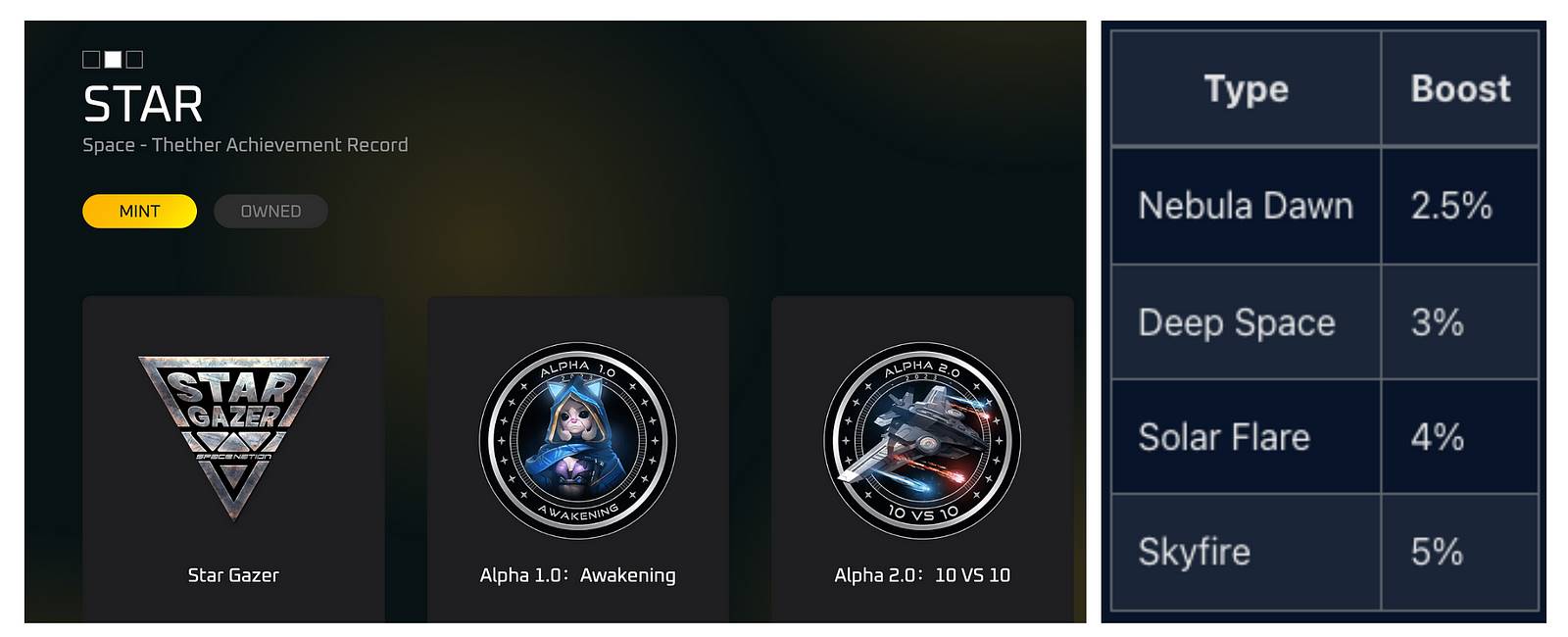
Regarding Web3 monetization incentives, OIK emissions are predictable and distributable in controlled cycles, helping stabilize token value. According to official Medium calculations:
OIK Reward = (Individual Season Score / Total Player Scores) * OIK Allocation
Individual Season Score = (Completed Activity Points / Target Activity Points) * (0.1 * Completion Achievements + 3.25 * Holding Achievements) * Achievement Bonus
Each player completes targeted active tasks within each cycle. OIK allocation depends on individual season scores relative to overall player performance. Players know they’ll receive OIK, but the exact amount remains uncertain—offering pleasant surprises. Predictable rewards provide direction; unexpected windfalls drive addiction.
To maximize incentives, players will adjust their investment strategies—assessing input versus output to determine their position in the system. This fosters diverse production-consumption strategies and may even inspire external ecosystems like forums. Whether Space Nation achieves internal economic balance remains to be seen—but logically, this model shows strong potential for success.
4. Funding & Team
Creative Team
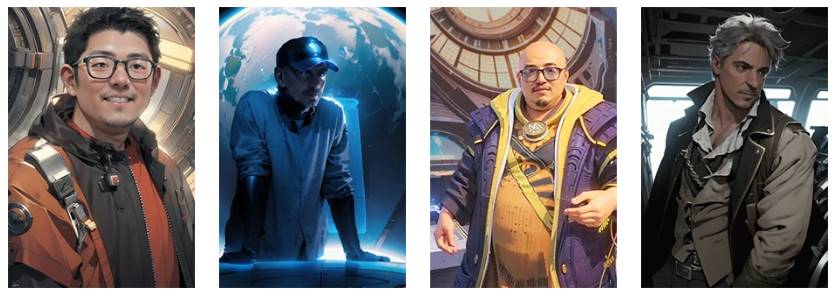
Space Nation is developed by a team deeply experienced in MMORPGs. Team members are publicly identified, including over 90 professionals with extensive Web2 game development and operations backgrounds, bolstered by strong narrative talent. Key team members include:
-
Jerome Wu: Co-founder and CEO. First product manager for World of Warcraft in China, worked on WoW for 10 years serving over 100 million users. Also contributed to StarCraft II and Hearthstone. Former COO at Sky Game, VP at Baidu Games, President at 360 Games. With over 20 years in gaming, he brings rich Web2 experience and resources into Web3 game development.
-
Roland Emmerich: Co-founder and Co-creator. Renowned Hollywood director known for Independence Day, The Day After Tomorrow, and 2012. Famous for disaster films, he also directed Noah, Universal Soldier, and Stargate, demonstrating strong sci-fi storytelling capabilities—perfectly aligned with Space Nation’s narrative vision.
-
Tony Tang: Co-founder and Game Director. Over 17 years in the gaming industry, expert in MMORPGs. Involved in Warframe’s strategy and launch, former Senior VP and Head of R&D at Leyou Technologies.
-
Marco Weber: Co-founder and Chief Strategy Officer. Prominent producer and entrepreneur, co-founded Vrenetic with Roland Emmerich. Producer of Igby Goes Down and The Thirteenth Floor, and launched next-gen mobile social platform Vresh—bringing valuable insights in content creation and social dynamics.
Investors
The project has reportedly invested up to 50 million CNY. Specific funding amounts have not been disclosed. Backers include Immutable, Foresight Ventures, Lighthouse Capital, SevenX Ventures, HashKey Capital, Arcane Group, Initiate Capital, JDAC Capital, Assembly Partners, and Cristian Manea.
5. Roadmap
According to the latest official whitepaper, the roadmap is as follows:
-
May 2023: Game Whitepaper Released
-
August 2023: Alpha Gate Launch
-
August 2023: Alpha Test I Live
-
September 2023: Alpha Test II Live
-
December 2023: Alpha Test III Live
-
March 2024: Prime Navigator Release
-
April 2024: Closed Beta I Launch
-
June 2024: Closed Beta II Launch
-
Summer 2024: Soft Launch
Conclusion
From an ecosystem perspective, Space Nation has demonstrated exceptional NFT asset maintenance, with many assets appreciating 2–10x, fueling anticipation for upcoming releases like exploration ships. In terms of gameplay, as a 3A title developed over three years, its map design, modeling, and scene rendering rival top-tier Web2 games.
From an economic standpoint, this report extensively analyzes the in-game POC model, highlighting the team’s careful approach to economic loops, user engagement, expectation management, incentive control, and layered investment strategies.
In terms of development timeline, Space Nation is entering its final stages. However, for players, exploration of the game world and mechanics is still in its early days—making it an ideal time to participate in platform activities and dive into interstellar adventures.
Join TechFlow official community to stay tuned
Telegram:https://t.me/TechFlowDaily
X (Twitter):https://x.com/TechFlowPost
X (Twitter) EN:https://x.com/BlockFlow_News
 @jianshubiji