If Ethereum's new model, Danksharding, is implemented, which projects will take off?
TechFlow Selected TechFlow Selected
If Ethereum's new model, Danksharding, is implemented, which projects will take off?
It's time to discuss Danksharding, the new model that could become Ethereum's savior.
 Navigating Web3 tides with focused insights
Author: Vaish Puri
Compiled by: TechFlow
It's time to talk about Danksharding—the potential savior of Ethereum.
The name "Danksharding" comes from its creator and Ethereum researcher, Dankrad Feist. The renaming signifies a paradigm shift from traditional sharding systems to this new architecture. We refer to Danksharding as the "scalability killer."
Did Ethereum Take the Wrong Path?
This isn't to say that Vitalik and his team were wrong. The fact is: most L1s today tend toward rapid centralization (the wrong way). This results from a deep flaw in the system known as Miner Extractable Value (MEV). In fact, experts warned just last year that it could potentially kill the entire network.
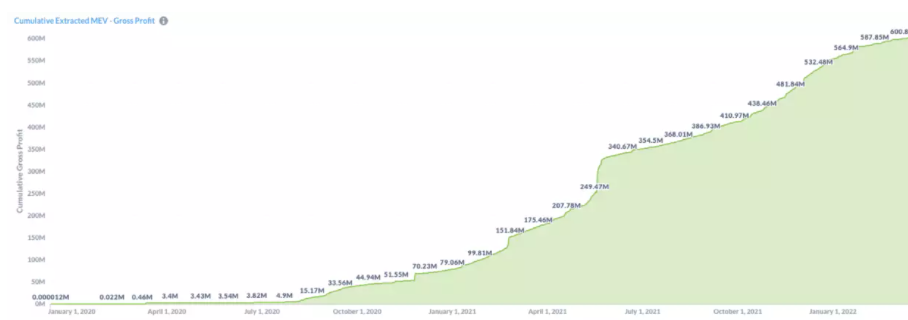
MEV exists due to inefficiencies that allow DEX arbitrage bots to front-run users. By selling valuable block space through Priority-Gas-Auctions, miners profit by charging excessively high transaction fees. Miners can also reorder or censor transactions to benefit from on-chain liquidations or personal arbitrage opportunities. These high fees paid for priority transactions pose a systemic risk to Ethereum’s overall security infrastructure. While various solutions have been theorized, most are off-chain, inevitably leading to further centralization. Are you thinking perhaps the PoS upgrade would help? No. In fact, many believe it has only exacerbated the problem, introducing even greater centralization.
But don’t be afraid! It's always darkest before dawn, and I truly believe Ethereum has a superior scalability roadmap. All thanks to Danksharding—so let's dive in.
The Solution
Before understanding Danksharding, it's best to grasp the latest state of traditional sharding. Danksharding is designed to circumvent MEV while maximizing decentralization and security. This is achieved through Proposer-Builder Separation (PBS) and crLists.
As mentioned earlier, in traditional blockchains, block proposers (i.e., miners) select which transactions to include based on who pays the highest fees. The PBS proposal addresses this by splitting the block proposer role into two distinct roles: builders and proposers. Builders represent an entirely new category—they receive a list of transactions from proposers called a crList, specifying exactly which transactions must be included. Builders can re-order transactions to maximize MEV without censoring anything, thanks to the crList (making everything faster). This essentially optimizes miners' MEV incentive structure while removing MEV barriers for users.
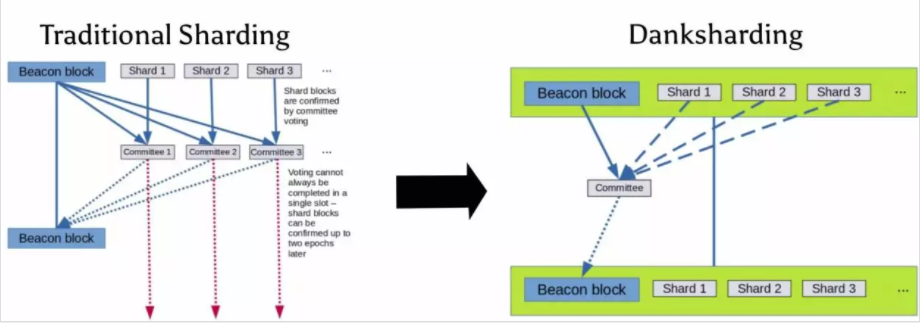
From the image above, we see that with Danksharding, execution blocks and shard blocks are now built together, with all validation data handled by Rollups. This means shard block confirmations have no delay, data duplication does not occur, and tracking shard block confirmations becomes unnecessary—L1 sees the data immediately. With no separate transaction sharding, the Ethereum mainnet itself becomes a unified settlement and data availability layer, potentially increasing throughput by approximately 6400x (with significantly lower gas fees).
But wait: Danksharding enables tighter integration between execution chains and shards, allowing simpler Rollup designs (great news for developers). Now ZK-Rollups and L1 can achieve synchronous confirmation (within the same block), opening up many possibilities—for example, the Ethereum execution layer could first implement Optimistic Rollups, then transition to ZK-Rollups.
Who Will Ultimately Win?
If Danksharding turns out to be as revolutionary as Rollups—and I believe its impact may even surpass Rollups—let’s examine which projects stand to benefit the most.
Generally speaking, Rollup-centric projects will benefit most from Danksharding implementation, with fees potentially dropping by around 1000x. For brevity, I’ll focus on Arbitrum (plus a bit on Optimism), Chainlink, and a newcomer: LayerZero.
Arbitrum, Optimism & Chainlink
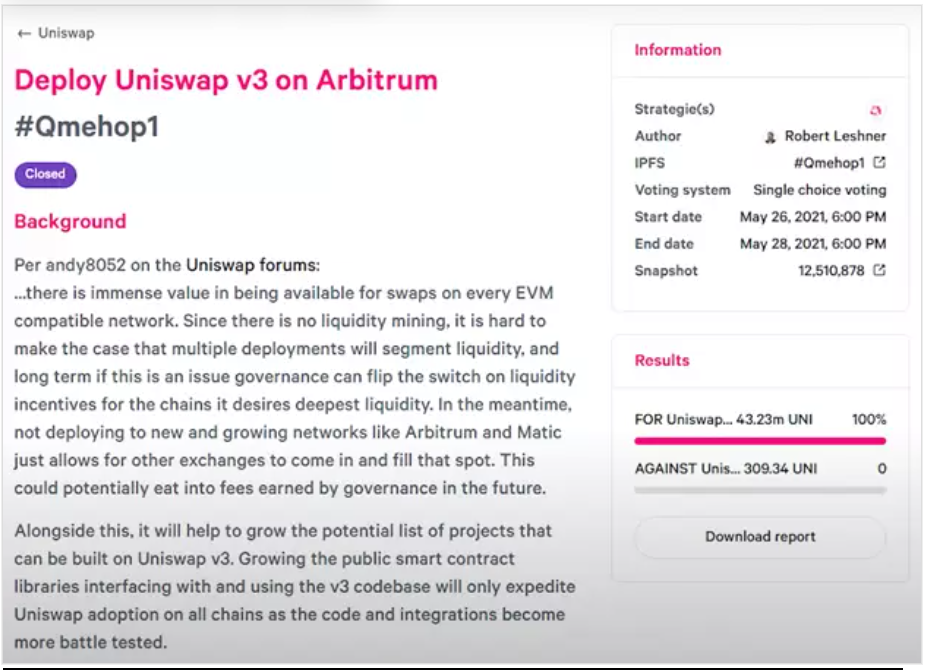
Arbitrum is an L2 Optimistic Rollup solution with TVL slightly above $2 billion, making it the leader in the Rollup sector. With future Ethereum implementation of Danksharding, they could experience exponential growth. In fact, Uniswap originally intended to launch on Optimism, but delays caused the community to shift toward Arbitrum instead.
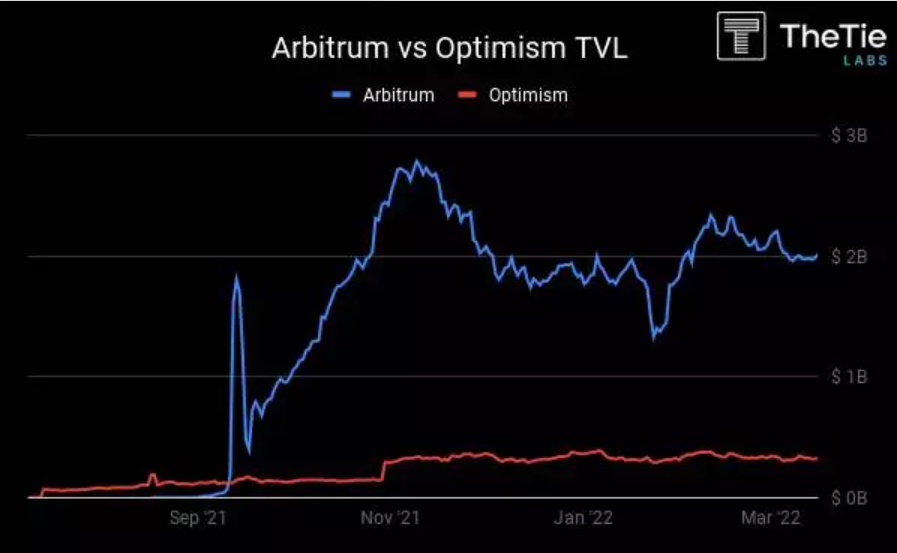
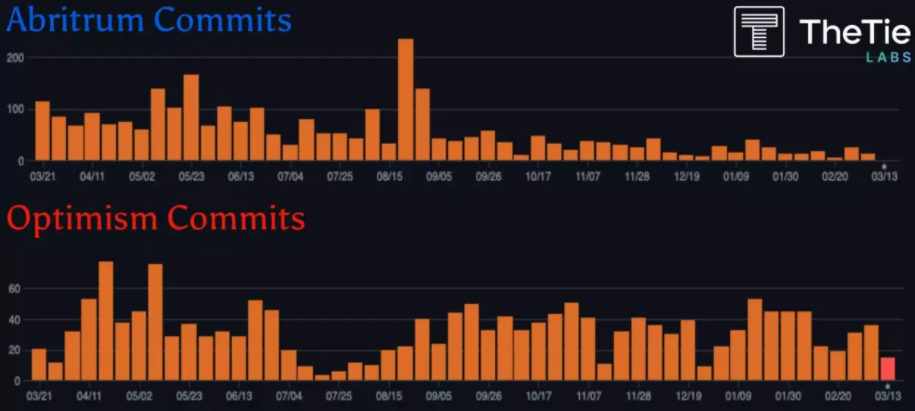
Note: While Arbitrum’s TVL began steadily rising, their GitHub development commit volume noticeably declined, whereas Optimism remained stable. This is unusual—normally one would expect development activity to increase alongside growing interest in a project, but that doesn’t seem to be the case with Arbitrum.
In early 2020, Offchain Labs co-founder Ed Felten announced Arbitrum’s plan to integrate with Chainlink’s decentralized oracle network, reducing gas costs (by 270x) and improving throughput.
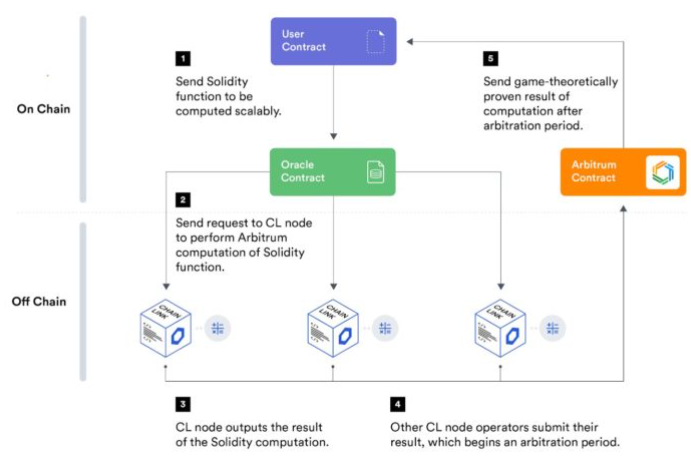
Additionally, the Chainlink-Arbitrum integration outsources valuation to Chainlink nodes, allowing developers to feed Chainlink price data into their dApps without rewriting any smart contracts. As Danksharding tightens the link between execution layers and sharding, we expect demand—especially within Rollup-centric environments—to surge dramatically.
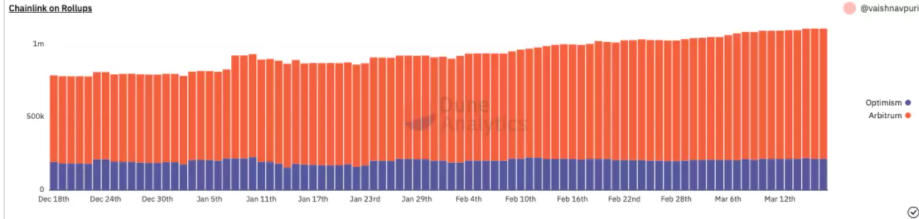
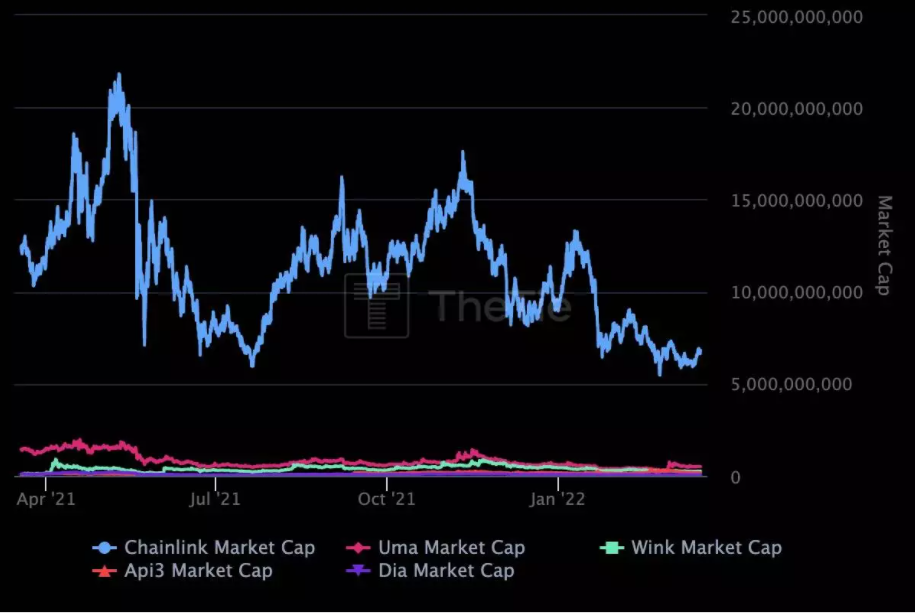
Given that Chainlink has already become the leading oracle provider and established partnerships with numerous projects, it’s likely they will see significant increases in trading volume/market cap by year-end. One major concern with Chainlink is that it isn't fully decentralized (particularly in governance terms), although this hasn't appeared to affect the system’s overall health so far.
LayerZero
LayerZero is an "omnichain" interoperability protocol whose mission is to provide a "future-proof," immutable infrastructure where developers never need to change interfaces in their smart contracts.
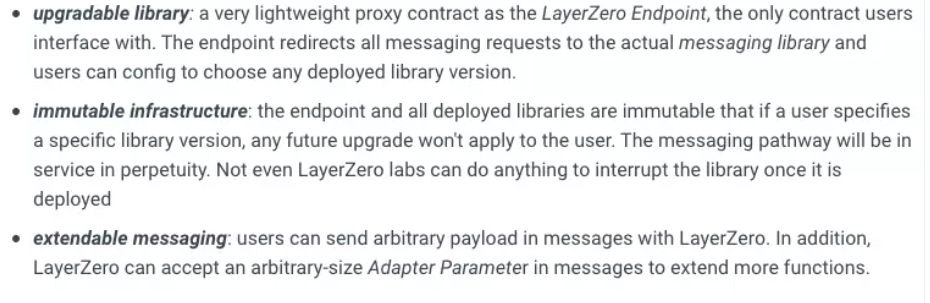
They introduced "Ultra-Light Nodes" (ULN), claiming to offer the security of light nodes along with the cost efficiency of intermediate chains. This is achieved by transmitting block headers to oracles on-demand rather than sequentially.
At a high level, LayerZero is simply an on-chain endpoint using ULNs. Data is transferred between endpoints via oracles and relayers. LayerZero leverages the security features of oracles like Chainlink and adds another layer of security through its relay system. LayerZero endpoints are also lightweight enough to run across various L1s without passing most of the cost onto users.
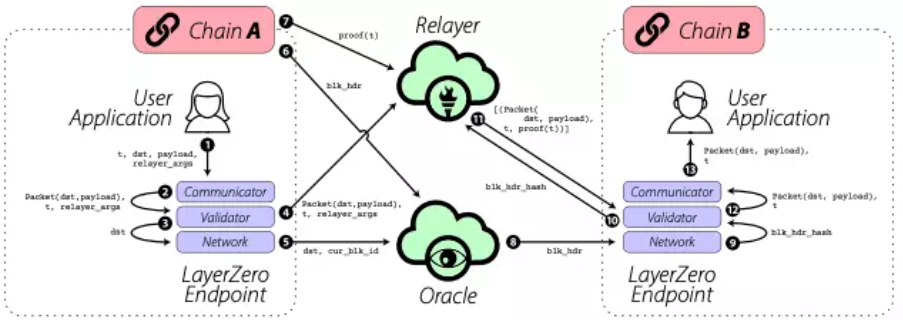
While cross-chain transfers aren't the only problem LayerZero solves, it does enable cross-chain lending, swapping, governance, and state sharing. With LayerZero, there's no longer a need to manage protocols like SushiSwap existing across 12 different chains. Instead, SushiSwap could maintain a single codebase for all cross-chain pairs. LayerZero’s full bridge, Stargate, enables a fully composable liquidity transfer protocol.
In short, LayerZero seamlessly connects all chains, whether EVM or non-EVM. It essentially creates an inter-blockchain communication protocol—but one that’s ubiquitous.
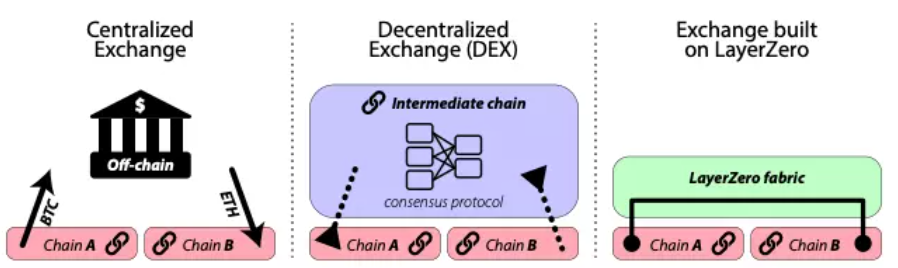
With the implementation of Danksharding, Ethereum’s traffic and throughput are expected to rebound rapidly. Currently, total value locked (TVL) across all cross-chain bridges exceeds $22 billion, with Avalanche leading the pack.

High global demand driven by Ethereum’s widespread adoption will place immense strain on current cross-chain bridges, slowing down blockchain accessibility. Inter-chain communication will thus become highly sought after, and LayerZero’s Stargate is positioned to directly fill this gap.
Although LayerZero is still at a relatively early stage of development, its progress has been remarkable. As we enter this new era of scalability, I’m excited to see what the future holds for LayerZero.
Conclusion
Danksharding is not merely a redesign of classic sharding—it’s a game-changing proposal that, once implemented, will mark a new era for blockchains. Danksharding will energize Rollup ecosystems like Arbitrum and oracle networks like Chainlink, while fostering an environment conducive to innovative projects like LayerZero. Though much work remains, the speed demonstrated by developers at Ethereum, Arbitrum, and LayerZero convinces me we’re not far from reaching this transformative milestone.
Join TechFlow official community to stay tuned
Telegram:https://t.me/TechFlowDaily
X (Twitter):https://x.com/TechFlowPost
X (Twitter) EN:https://x.com/BlockFlow_News