UAE Exits OPEC: A Pivotal Moment for a Major Oil Producer
TechFlow Selected TechFlow Selected
UAE Exits OPEC: A Pivotal Moment for a Major Oil Producer
This is the largest OPEC member withdrawal event in recent years.
 Navigating Web3 tides with focused insights
By: Bibi News
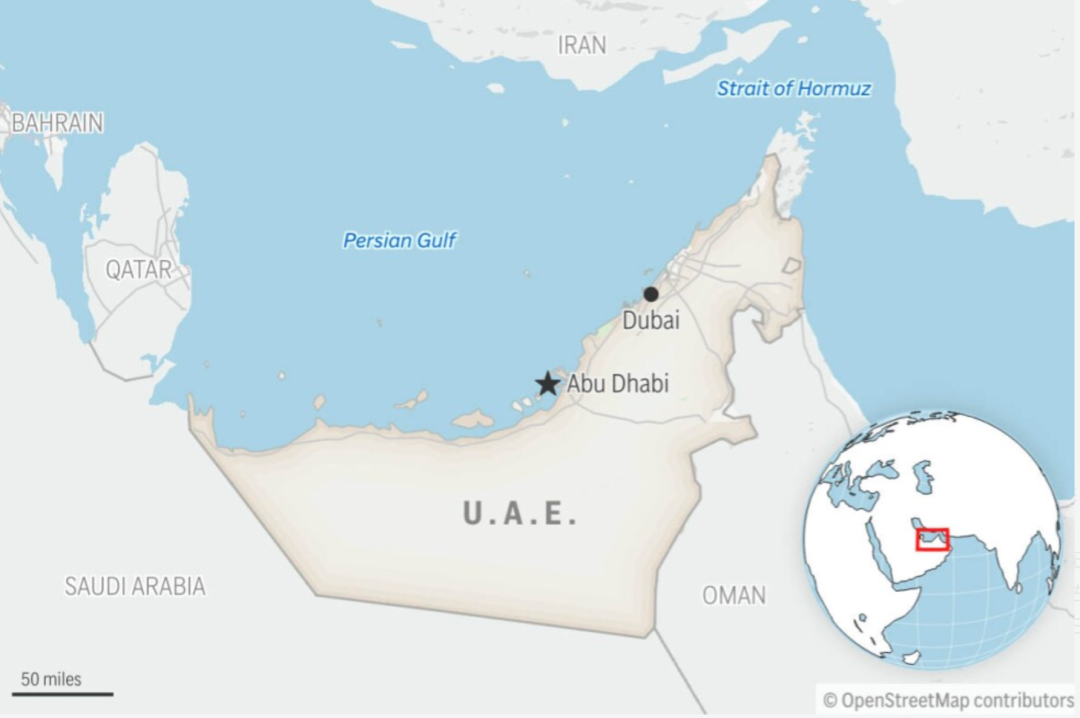
On April 28, 2026, the United Arab Emirates (UAE) announced via the state-run news agency WAM that it would formally withdraw from the Organization of the Petroleum Exporting Countries (OPEC) and its extended alliance, OPEC+, effective May 1.
Having been a member for nearly 60 years, the UAE produces approximately 3.6 million barrels per day (bpd), accounting for roughly 12% of OPEC’s total output—making it the third-largest oil producer in the group after Saudi Arabia and Iraq.
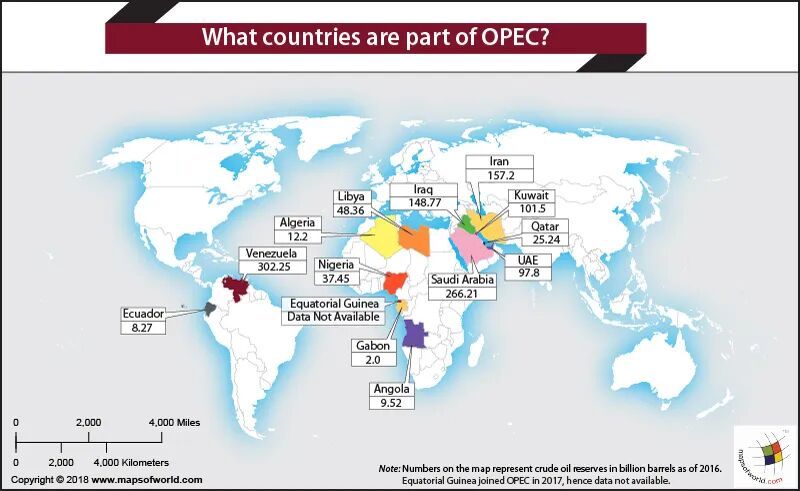
Following its withdrawal, OPEC’s membership will shrink from 12 to 11 countries, and the group’s share of global crude oil supply will decline further—from about 30% previously to roughly 26%.
This marks the largest membership withdrawal OPEC has experienced in recent years.
From Founding Member to Core Player: The UAE’s 60-Year Journey
OPEC was originally founded in 1960 by five countries—Iran, Iraq, Kuwait, Saudi Arabia, and Venezuela—with the core objective of coordinating production and safeguarding the shared interests of petroleum-exporting nations.
In 1967, Abu Dhabi joined as an independent entity; four years later, upon the formation of the UAE, the federation inherited this membership.
Over the subsequent decades, backed by massive capital investment from Abu Dhabi National Oil Company (ADNOC), the UAE significantly expanded its energy footprint. Its proven reserves now stand at 113 billion barrels—ranking sixth globally and representing approximately 6% of total world reserves.
Entering the 2020s, the UAE’s crude oil output stabilized around 3.6 million bpd, peaking near a historic high of 4.12 million bpd in 2022.
Meanwhile, ADNOC has aggressively pursued capacity expansion, targeting a production capacity of 5 million bpd by 2027—a plan underpinned by cumulative investments exceeding $150 billion.
While production capacity continues to grow, how much oil can be sold—and at what price—is no longer fully within the UAE’s control.
The Enduring Tension Between Quotas and Capacity
Quota allocation lies at the heart of OPEC’s operational framework.
Each member is assigned a production ceiling based on its capacity, historical output, and market forecasts; exceeding this ceiling is theoretically considered a violation.
This mechanism helps stabilize markets during periods of high oil prices—but for members rapidly expanding capacity, it effectively functions as an invisible cap on revenue.
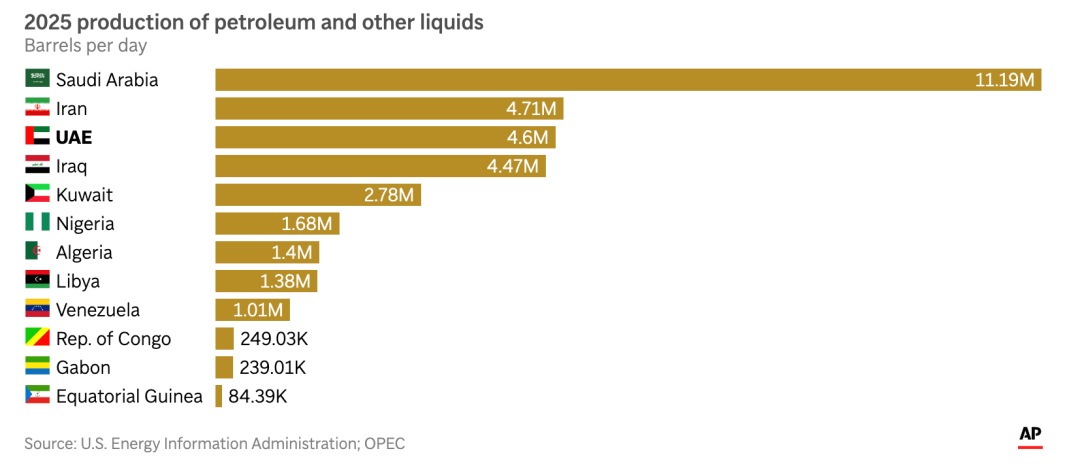
The UAE’s situation exemplifies this dilemma. Its latest quota stands at approximately 3.41 million bpd, while its actual capacity approaches 4.85 million bpd—leaving an unutilized gap of roughly 1.4 to 2.0 million bpd.
At prevailing international oil prices of $70–$80 per barrel, this constrained capacity translates into an estimated annual revenue loss of $46–$58 billion.
The UAE’s tensions with OPEC came to a head most acutely in 2021.
As post-pandemic demand rebounded, internal OPEC discussions centered on whether to extend production cuts. The UAE explicitly rejected its existing quota and demanded an upward revision of its baseline—from 3.2 million bpd to 3.8 million bpd.
Negotiations stalled for two weeks before Saudi Arabia agreed to raise the UAE’s quota to 3.65 million bpd.
Thereafter, the UAE began routinely exceeding its quota, with overproduction of several hundred thousand barrels per day becoming standard practice by 2024.
Precedents for Withdrawal Already Exist
Membership withdrawals are not unprecedented in OPEC’s history.
Indonesia joined in 1962, withdrew and rejoined multiple times, and ultimately exited again in 2016.
Ecuador withdrew in 2019.
Qatar, having become the world’s largest liquefied natural gas (LNG) exporter, announced its departure in 2019, citing a strategic pivot toward gas rather than oil.
Angola exited in 2024, also citing dissatisfaction with quota allocations.
Yet the UAE’s scale dwarfs that of these earlier exiters.
Qatar’s output at the time of its exit stood at ~600,000 bpd; Angola’s was ~1.1 million bpd; the UAE’s hovers near 3.6 million bpd—several times the combined output of all previous withdrawing members.
This reflects the UAE’s higher degree of economic diversification and comparatively lower fiscal dependence on high oil prices—making it more inclined to pursue volume-driven growth rather than price-driven strategies.
War Disrupted Timing—but Was Not the Root Cause
On February 28, 2026, the United States and Israel launched military strikes against Iran, triggering a conflict that rapidly spread across the Gulf region.
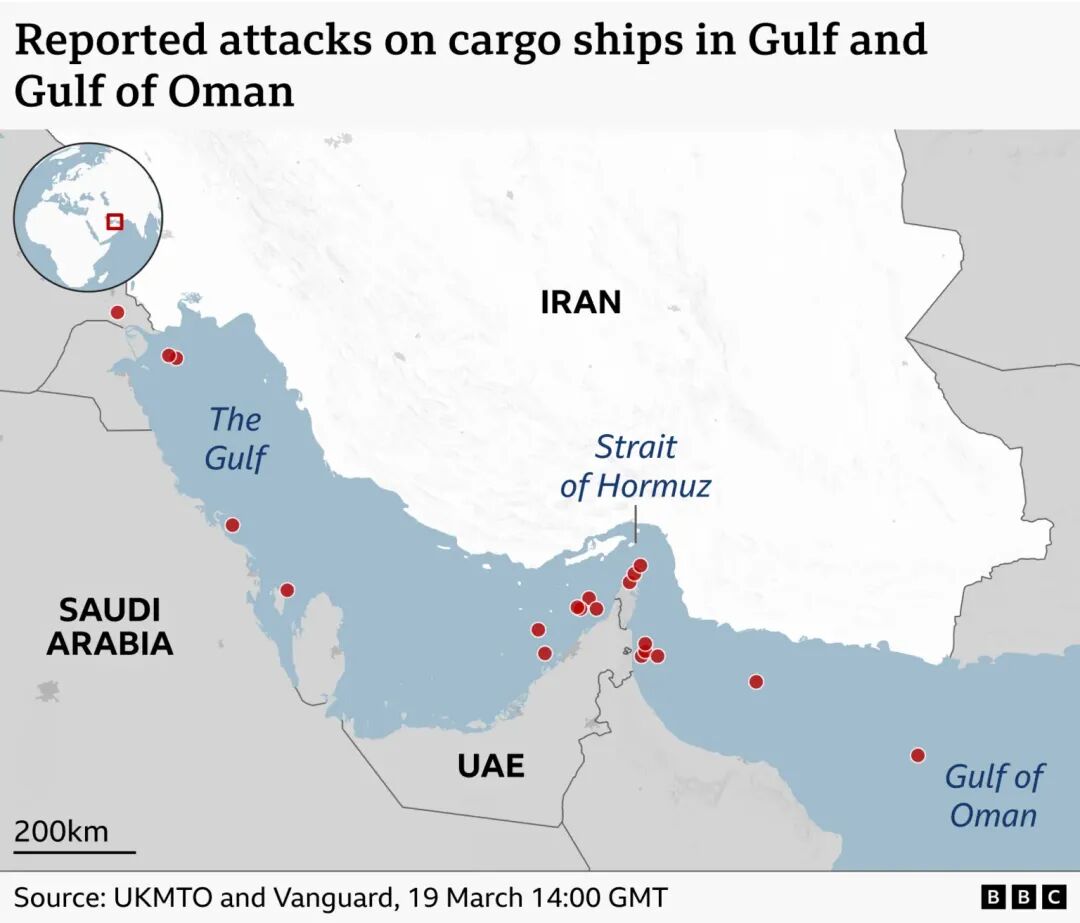
The Strait of Hormuz—the world’s most critical oil shipping corridor—normally handles about one-fifth of global crude oil and LNG transit. As hostilities escalated, however, the strait effectively closed.
The UAE’s exports were immediately crippled. Though it operates a land pipeline bypassing the Strait of Hormuz—with a maximum throughput capacity of ~1.8 million bpd—this falls far short of compensating for the losses caused by the maritime disruption.
In March 2026, the UAE’s crude output plummeted to ~1.9–2.34 million bpd, representing a 35%–47% drop from its pre-war level of 3.6 million bpd. By comparison, Saudi Arabia’s output declined ~23% during the same period, while Iran—as a party to the conflict—saw only a ~6% reduction.
According to the International Energy Agency (IEA), OPEC+’s share of global oil production fell from ~48% in February 2026 to 44% in March, with further declines expected in April—and a sharper contraction anticipated in May following the UAE’s formal exit.
The disruption at the Strait of Hormuz served as a catalyst—but only a catalyst.
UAE Energy Minister Suhail Al Mazrouei explicitly stated that the decision followed a comprehensive review of the UAE’s oil production policy and current and future capacity—indicating that policy considerations preceded the current geopolitical crisis.
How OPEC’s Structure Will Change
To assess the practical implications of the UAE’s exit for OPEC, the key metric is spare capacity.
Spare capacity refers to readily deployable standby production—serving as the most critical stabilizer for oil markets during supply shocks. Globally, effective spare capacity totals ~4–5 million bpd, with a substantial portion concentrated in Saudi Arabia and the UAE.
Post-withdrawal, the UAE’s spare capacity will no longer be subject to OPEC quotas and will operate independently of the group’s decision-making framework.
Within OPEC, the UAE is the only member besides Saudi Arabia possessing meaningful spare capacity. Its exit will therefore weaken OPEC’s overall production-controlling capability. Coupled with continued output growth from non-OPEC producers—especially the United States—OPEC’s room to coordinate supply will narrow further.
The U.S. currently produces over 13 million bpd—surpassing Saudi Arabia’s ~9 million bpd—and has markedly eroded OPEC’s pricing power in recent years.
Saudi Arabia will now stand virtually alone within OPEC as the sole holder of large-scale spare capacity—bearing greater responsibility for market management but with fewer supporting allies.
How Oil Prices Reacted on the Day of the Announcement
On the day of the announcement, Brent crude futures initially dipped briefly before rising ~2% above the previous day’s closing price—trading above $111 per barrel.
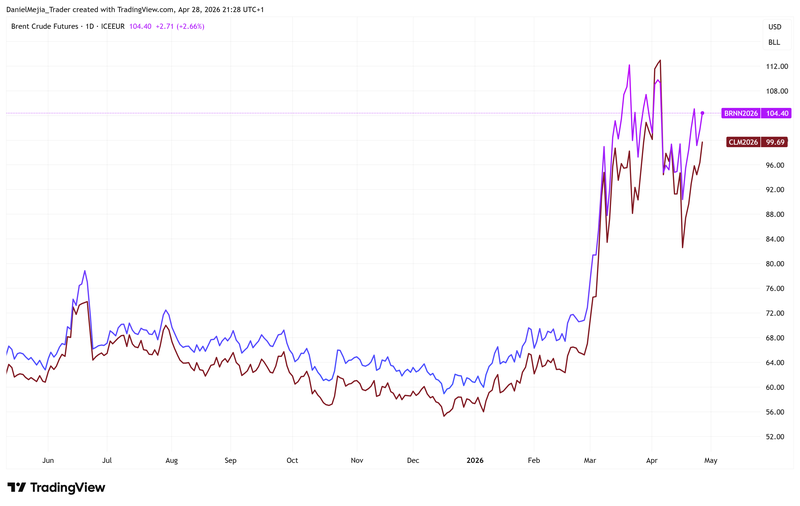
The Strait of Hormuz remains effectively blockaded, preventing the UAE from meaningfully increasing exports in the near term. Consequently, the UAE’s OPEC exit has virtually no immediate impact on physical supply. Oil prices remain overwhelmingly driven by geopolitical risk—up over 50% relative to pre-war levels in February 2026.
Looking ahead, however, once the Strait resumes normal operations, market expectations of UAE-led output increases could exert downward pressure on prices.
Futures markets have reacted cautiously to the medium-term outlook. If the UAE delivers on its 5-million-bpd capacity target and substantially ramps up production, the additional supply—representing ~1%–2% of global demand—would be sufficient to influence price dynamics in a balanced market.
The UAE’s Path Forward for Output Expansion
Post-exit, the UAE gains full autonomy over production decisions—no longer bound by quota constraints. The pace and scale of output expansion will hinge primarily on three factors: the timeline for reopening the Strait of Hormuz; ADNOC’s progress in upstream capacity development; and demand conditions in major global consumption markets.
ADNOC has steadily increased upstream investment over recent years, bringing its technically recoverable capacity close to 4.85 million bpd. Its 5-million-bpd target for 2027 has long been set—the real significance of withdrawal lies in enabling this capacity to flow freely into the market without restriction.
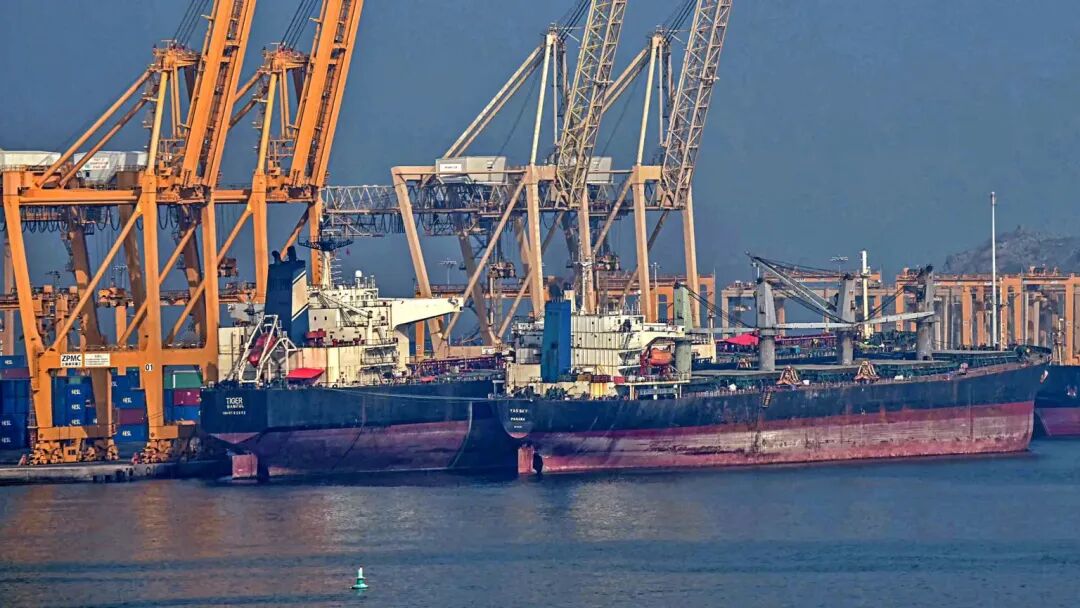
The UAE also operates the Habshan-Fujairah pipeline, linking inland oilfields to Fujairah Port on the Gulf of Oman—bypassing the Strait of Hormuz—with a maximum daily throughput of ~1.5–1.8 million bpd. While this pipeline serves as the UAE’s sole viable export route amid the Strait’s closure, it remains insufficient to support full-scale output expansion.
According to a World Bank report, the oil supply shortfall triggered by the Iran conflict represents the largest such disruption ever recorded. Global energy prices are projected to rise by roughly 25% on average this year, with an estimated six-month timeline required for the Strait to return to pre-war functionality.
This window will serve as a critical period for the UAE to recalibrate its output strategy and execute a comprehensive ramp-up.
Join TechFlow official community to stay tuned
Telegram:https://t.me/TechFlowDaily
X (Twitter):https://x.com/TechFlowPost
X (Twitter) EN:https://x.com/BlockFlow_News