Why Has Gold “Failed” While Bitcoin Stabilized? A New Asset Logic Amid U.S.-Iran Tensions
TechFlow Selected TechFlow Selected
Why Has Gold “Failed” While Bitcoin Stabilized? A New Asset Logic Amid U.S.-Iran Tensions
This article aims to analyze the divergent performances of Bitcoin and gold under the geopolitical shock of the 2026 Iran War.
 Navigating Web3 tides with focused insights
By: Cointelegraph
Translated by: AididiaoJP, Foresight News
Key Takeaways
- The 2026 Iran conflict triggered major geopolitical shocks, intensifying global market volatility. This event prompted investors to reassess the value proposition of traditional safe-haven assets like gold—and emerging alternatives such as Bitcoin.
- Gold initially rose on safe-haven demand but later retreated amid a strengthening U.S. dollar and rising bond yields—indicating that macroeconomic factors may outweigh crisis-driven short-term buying pressure.
- Bitcoin experienced sharp volatility before quickly stabilizing, reflecting its growing influence as an alternative asset. However, its price movements remain closely tied to market sentiment and liquidity conditions.
- The strength of the U.S. dollar critically impacted both gold and Bitcoin. Market appetite for dollar liquidity directly shaped global capital allocation across asset classes.
- Geopolitical conflicts have historically triggered financial market adjustments. Amid uncertainty, investors tend to shift capital toward assets expected to preserve—or even increase—in value.
- Gold’s long-standing status as the benchmark safe-haven asset rests on its scarcity, universal acceptability, and centuries-long history as a store of value. In recent years, Bitcoin’s emergence has sparked broad debate: Can this decentralized digital asset evolve into a modern “digital gold”?
This article analyzes the divergent performances of Bitcoin and gold during the 2026 Iran conflict—a pivotal geopolitical shock. By examining their price trajectories, market behavior, and safe-haven attributes, we explore what this divergence reveals about shifting investor sentiment, liquidity-driven mechanisms, and the evolving role of traditional versus digital assets in storing value.
The 2026 Iran Conflict: A Major Geopolitical Event Shaking Global Markets
The Iran conflict that erupted in 2026 provided a critical real-world test of whether Bitcoin possesses safe-haven characteristics. Escalating military operations—and Iran’s threat to close the Strait of Hormuz—sparked serious market concerns over energy supply disruptions. As a vital maritime chokepoint handling approximately 20% of global oil shipments, stability in this region is essential to the world’s energy architecture.

As tensions mounted, oil prices surged sharply and global financial markets swung violently. Major stock indices broadly declined, prompting investors to reassess risks to inflation outlooks, supply-chain security, and growth expectations.
During periods of high uncertainty, investors typically turn to widely recognized stores of value. Yet this time, the response patterns across different asset classes painted a more complex picture than in past crises.
Gold’s Safe-Haven Performance: Rally Then Retreat
In the early phase of the conflict, gold’s price action aligned with conventional safe-haven logic. Rising demand for safe assets drove up gold prices as investors flocked to them.
However, gold’s upward momentum proved unsustainable. Subsequently, a stronger U.S. dollar and rising U.S. Treasury yields significantly eroded gold’s appeal—as a non-yielding asset, its opportunity cost increases in a higher-rate environment.
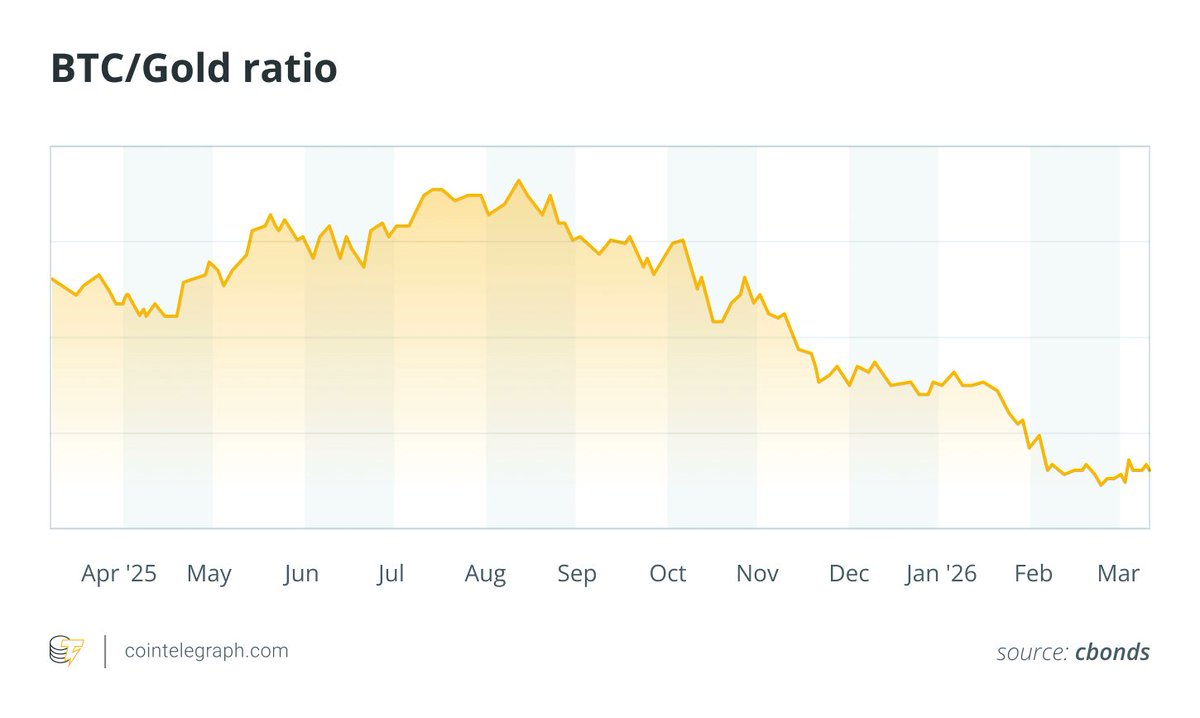
Notably, gold prices fell by over 1% even as geopolitical tensions persisted—suggesting that short-term macroeconomic drivers such as interest-rate shifts and exchange-rate fluctuations can outweigh pure safe-haven buying pressure.
This volatility pattern underscores that even gold—the most time-tested crisis hedge—can undergo temporary corrections when market attention pivots toward liquidity needs or broader macro variables.
Gold Selling During Crisis: The Primacy of Liquidity
A notable phenomenon observed during this conflict was investors selling gold alongside other risk assets. In moments of extreme market panic, securing cash and ensuring liquidity often becomes the top priority—even above holding physical assets.
Early in the conflict, the rush for dollars and liquidity temporarily eclipsed gold’s safe-haven appeal. Meanwhile, soaring oil prices intensified inflation fears, pushing up bond yields and further pressuring gold prices.
This highlights an important principle: although gold remains a long-term hedge against geopolitical and economic turbulence, investors frequently prioritize meeting immediate liquidity needs—such as margin calls or portfolio rebalancing—at the onset of a crisis.
The United States holds the world’s largest official gold reserves—approximately 8,133 tonnes—representing 78% of its official foreign exchange reserves. This figure underscores gold’s enduring centrality within the global monetary system.
Bitcoin’s Performance: Sharp Volatility Followed by Rapid Recovery
Compared with gold, Bitcoin followed a distinct trajectory during this conflict. In the initial phase, the crypto market experienced severe turbulence as investors broadly reduced risk exposure.
Yet Bitcoin stabilized rapidly after its initial volatility. Data shows that on February 28, 2026—the day the conflict broke out—Bitcoin dipped to a low of $63,106; by March 5, it had rebounded to $73,156; and it closed at $71,226 on March 10—demonstrating strong price resilience.
Bitcoin’s swift recovery suggests continued market interest in its potential as an alternative hedge against economic and geopolitical risks. Historically, Bitcoin’s price movements correlate more closely with overall market sentiment and liquidity conditions than with geopolitical events alone.
Global central banks collectively hold approximately 36,000 tonnes of gold reserves—making gold the second-most important reserve asset class after the U.S. dollar.
The Critical Role of Dollar Strength
During this conflict, the U.S. dollar’s movement emerged as a shared variable influencing both gold and Bitcoin. As investors sought liquidity and safety, the U.S. Dollar Index rose markedly. Because gold is priced in dollars, dollar appreciation raises purchase costs for holders of other currencies—exerting downward pressure on gold prices.
Bitcoin is similarly sensitive to dollar dynamics. When capital flows into cash and reserve currencies—the traditional safe havens—during uncertain times, demand for cryptocurrencies may temporarily wane, affecting Bitcoin’s price performance.
Dollar strength, liquidity preference, and safe-haven sentiment intertwined to shape the performance paths of both gold and Bitcoin during this conflict. This also explains why—despite their differing long-term attributes—neither asset delivered a sustained, unambiguous safe-haven rally in the early crisis phase.
Oil Prices and Inflation Expectations: Dominant Drivers of Market Sentiment
Energy markets played a pivotal role in this conflict. The potential disruption of the Strait of Hormuz stoked concerns over crude supply, pushing oil prices upward. Any significant disturbance to this critical waterway could raise global energy and transportation costs—and thereby intensify inflationary pressures.
Over the long term, rising inflation expectations typically benefit gold—the classic inflation hedge. But in the short term, inflation fears can trigger the opposite effect: markets anticipate tighter central bank policy, pushing up interest rates and bond yields—making yield-bearing assets relatively more attractive and weighing on non-yielding assets like gold.
Bitcoin’s relationship with inflation expectations is far more complex. As a high-risk asset, Bitcoin’s reaction to inflation signals tends to be dominated by overall risk sentiment—its price behavior is difficult to explain using conventional inflation logic.
Gold’s safe-haven properties were especially pronounced during financial crises such as the Great Depression. At that time, several governments restricted private gold ownership to control capital flows and stabilize their monetary systems.
Insights Behind the Divergence: Distinct Roles of Safe-Haven Assets
This conflict revealed structural differences between mature safe-haven assets and emerging alternatives.
Gold is deeply embedded in the global financial and monetary system. Centuries of historical precedent, consistent central bank accumulation, and its core role as a reserve asset confer upon it a unique and stable foundation of trust during turbulent times.
Bitcoin, by contrast, operates within a relatively young and rapidly evolving digital financial ecosystem. Its price is influenced not only by geopolitical events but also by network adoption, regulatory developments, technological progress, and overall market risk appetite.
This structural distinction explains why Bitcoin and gold exhibited markedly different reaction patterns during the early phase of the crisis.
Testing the “Digital Gold” Narrative in Reality
For years, Bitcoin proponents have positioned it as “digital gold”—a modern, decentralized alternative to traditional safe-haven assets. The 2026 Iran conflict offered a real-world opportunity to test this narrative.
Data shows Bitcoin displayed a degree of resilience during the conflict—but its behavioral pattern still differs significantly from that of classical safe-haven assets. Gold’s price action remained anchored to traditional macro variables such as dollar strength, inflation expectations, and bond yields; whereas Bitcoin’s volatility and recovery primarily reflected shifts in investor sentiment, risk appetite, and overall market liquidity.
This episode indicates that Bitcoin has begun to demonstrate potential as a store of value under stress—but it has not yet matured into a stable, reliable safe-haven asset. It continues to evolve as a multifaceted emerging asset within the global financial system.
Join TechFlow official community to stay tuned
Telegram:https://t.me/TechFlowDaily
X (Twitter):https://x.com/TechFlowPost
X (Twitter) EN:https://x.com/BlockFlow_News
 @Cointelegraph