When CZ returns to the Chinese-speaking community, Hong Kong's crypto story is timely
TechFlow Selected TechFlow Selected
When CZ returns to the Chinese-speaking community, Hong Kong's crypto story is timely
The era of "wild growth" has left Hong Kong somewhat lagging, but it is now back in the spotlight, standing at a crossroads of destiny.
 Navigating Web3 tides with focused insights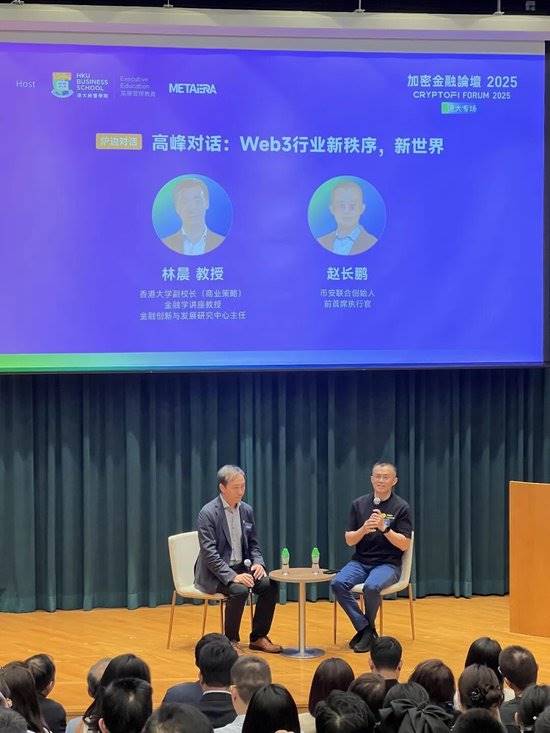
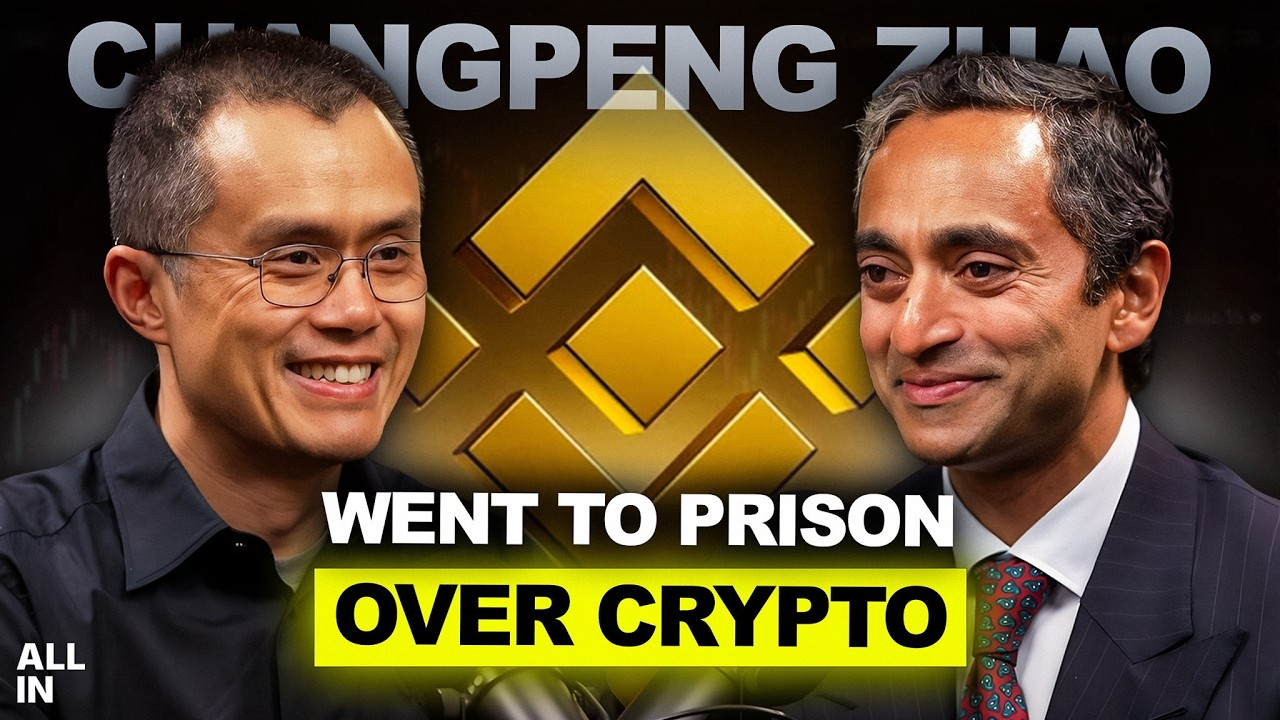
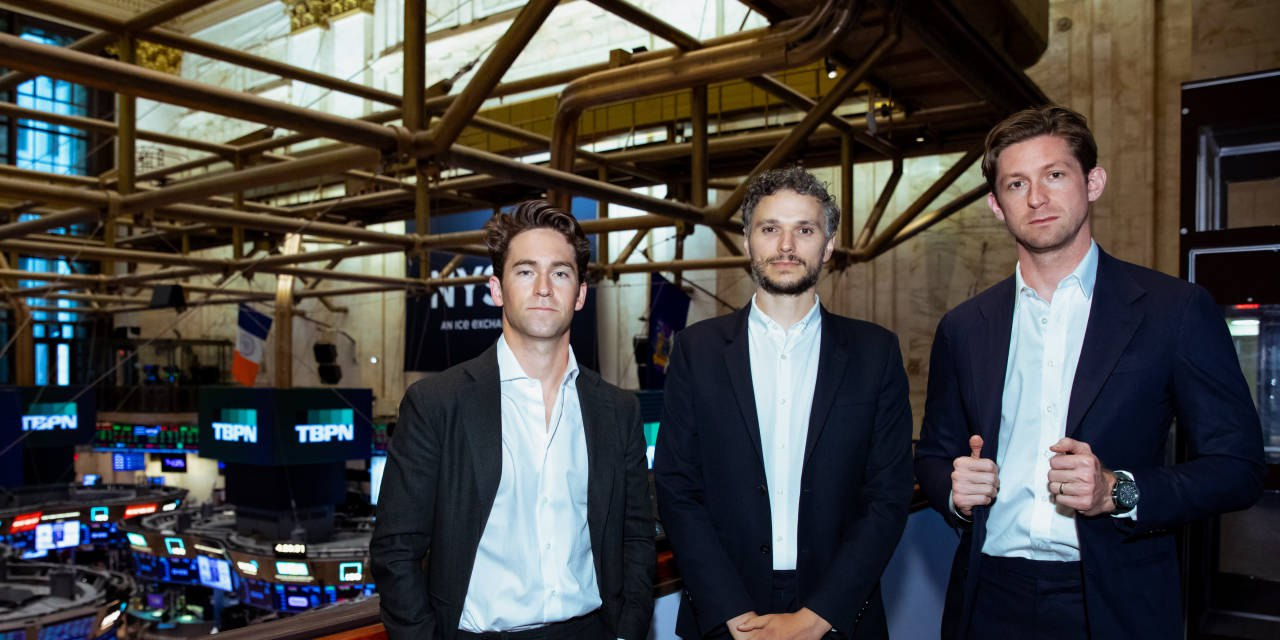
On August 27, Binance founder CZ unexpectedly visited the University of Hong Kong to engage in a dialogue with Professor Lin Chen. In the crypto space, founders rarely shape their personal image by sharing macro insights, making roundtables and forums often feel superficial. But this time, CZ came well-prepared, sharing many valuable perspectives. At the end of the conversation, CZ gently set down the microphone: "I once thought I'd never return to the Chinese-speaking world. Today, in Hong Kong, I know the story has only just begun."
As CZ's story with Hong Kong restarts, the wheel of the crypto world is quietly turning. In 2025, the crypto industry underwent significant changes. Over the past year, ETFs have gradually become infrastructure for crypto finance. RWA, once considered limited in imagination; stablecoins, primarily seen as foundational infrastructure; and DAT, previously cultivated solely by MicroStrategy, have all broken into the mainstream this year, attracting joint attention from the Web3 and traditional finance worlds and emerging as the "three pillars" driving industry development.
Data confirms this shift. By Q2 2025, the total market cap of tokenized RWA projects exceeded $25 billion, a 245-fold increase over five years. By 2025, DAT companies collectively held over 790,000 bitcoins (about 4% of circulating supply) and 1.3 million ether (about 1% of circulating supply), with a total market value exceeding $100 billion. As of June 2025, the stablecoin market reached approximately $255 billion. Meanwhile, national institutions are entering the arena—U.S. Congress, the European Central Bank, Hong Kong’s Monetary Authority, and Securities and Futures Commission have all introduced regulatory measures.
Under the pull of these three pillars, Hong Kong, which had seemed sluggish during the "wild growth" era, has finally returned to the spotlight, standing at a crossroads of destiny.
DAT: Hong Kong’s Stock Market as a Natural Testbed
DAT (Digital Asset Treasury strategy companies) represent a new species in capital markets. They securitize the act of holding and accumulating crypto assets, allowing retail investors and institutional capital to indirectly own bitcoin and ether. For years, MicroStrategy stood alone in the U.S. market, almost becoming synonymous with DAT. But by 2025, this model had spread globally: Metaplanet trades at a premium on the Tokyo Stock Exchange, while companies like SharpLink and Semler are also gaining traction.
However, differences between U.S. and Hong Kong stock markets suggest Hong Kong may become an alternative testbed for DAT.
• Market cap and narrative divergence: U.S. investors prioritize fundamentals and sustainable operations, whereas Hong Kong’s market has long accommodated more “theme-driven” companies. DAT, inherently linking narrative and assets, is naturally suited to incubate in Hong Kong’s environment.
• Corporate structure differences: Across Asia, many tech firms, small-cap industrial enterprises, and even traditional businesses are exploring how to enter the crypto world through holding or issuing tokens. Such ventures face high listing barriers and compliance costs in the U.S., but find easier entry points in Hong Kong.
• Investor base differences: Hong Kong’s investor pool includes local capital, mainland Chinese funds flowing southward, and overseas capital. For alternative asset gateways like DAT, investors are more receptive to short-term premium plays and cyclical opportunities, without demanding stable cash flows.
This means Hong Kong’s stock market can serve as a natural gateway for Asian DAT adoption. Unlike the U.S. landscape dominated by giants, Hong Kong could see a wave of smaller, diversified DAT firms: some focusing on single assets with passive long-term holds; others pursuing active trading to amplify cycle gains; and some even engaging in ecosystem investments, allocating part of their treasury to familiar on-chain sectors.
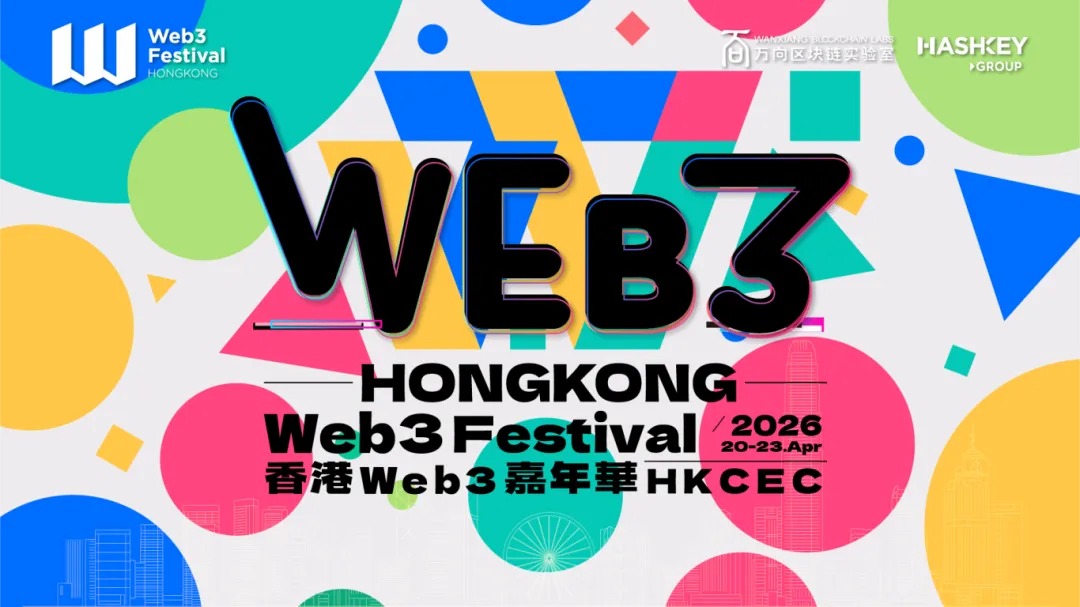
This diversification is already emerging. Recently, HashKey announced its DAT strategy, launching a multi-currency treasury fund focused on long-term allocation of core assets like bitcoin and ether. It also partnered with Hua Jian Medical to help the company include ether in its corporate reserves on the Hong Kong stock market, establishing a compliant holding and disclosure framework. These cases show Hong Kong not only attracts companies experimenting with DAT models but also offers institutional and infrastructural support for diverse DAT strategies to take root.
Stablecoins: From National Strategy to Hong Kong Opportunity
In the global financial landscape, stablecoins are quietly evolving from market “safe havens” into strategic national reserve tools. Historically, the dollar’s global influence relied on Swift, offshore dollar markets, and U.S. Treasuries. Now, dollar-pegged stablecoins like Tether and USDC are joining that list. Backed by real dollar assets—especially U.S. Treasuries—they allow overseas investors to hold dollar-denominated assets digitally, without directly accessing the U.S. financial system. In essence, stablecoins have become a new gateway for dollar globalization, playing an increasingly vital role in global currency competition.
For this reason, stablecoins are no longer mere sidekicks to exchanges but are becoming strategic reserves that sovereign nations must confront. The U.S. GENIUS Act passed this year codified stablecoin legality and clearly distinguished them from central bank digital currencies (CBDCs). The logic is clear: central bank money lacks flexibility in cross-border circulation, whereas market-driven stablecoins maximize the dollar’s international reach.
Against this backdrop, Hong Kong sits precisely at a political and institutional crossroads. On one hand, it is China’s most open financial hub, with mature capital markets and free-flowing foreign exchange. On the other, it is tightly linked to the global financial system, making it an ideal testbed for stablecoin institutionalization and compliance. This positions Hong Kong to become an international clearing port for stablecoins—capable of interfacing with dollar-pegged stablecoins while incubating local fiat-backed stablecoin products.
Yet opportunity comes with challenges. Hong Kong’s financial regulation traditionally emphasizes risk control, so its stablecoin proposals stress KYC, custody, and disclosure—creating tension with market demands for seamless circulation. Overly strict rules may stifle innovation; too loose, and it risks undermining the credibility expected of a global financial center. Striking the right balance between risk and innovation will determine whether Hong Kong secures a place in the future stablecoin landscape.
Ultimately, the rise of stablecoins is an inevitable outcome of monetary evolution. As a financial node connecting China and the world, bridging Asia and global markets, Hong Kong is not only bearing the brunt of challenges but may also become an amplifier of opportunities.
RWA: Price Discovery and Hong Kong’s Unique Role
Tokenization of real-world assets (RWA) has recently become a focal point in capital markets. Stablecoins demonstrated the feasibility of moving assets on-chain using U.S. Treasuries, and now more asset classes—from short-term bonds and fund shares to real estate and commodities—are entering the blockchain testing ground. Global RWA market cap has grown hundreds of times over five years, reflecting institutional and investor demand for more efficient, transparent asset vehicles.
RWA faces three key challenges. First, liquidity: many traditional assets have low volatility but insufficient trading depth on-chain, failing to attract strong buy-sell activity. Second, regulatory complexity: jurisdictions differ widely in defining securities, commodities, and tokens, creating multiple compliance hurdles for cross-border operations. Third, product design: ideally, tokenized assets should closely track their real-world counterparts, but current products often suffer from non-converging price gaps, undermining arbitrage mechanisms.
In this context, Hong Kong holds unique market value. It connects mainland capital, international investors, and local funds, encompassing equities, bonds, commodities, and funds. This market structure provides a natural validation function: when diverse assets and participants converge, Hong Kong can test whether tokenized products truly enable price discovery. With unified trading standards, Hong Kong can offer a more transparent and credible pricing environment for RWA, reducing inefficiencies from fragmented markets.
This process requires reliable market infrastructure. Licensed exchanges and public blockchains play crucial roles here. Take HashKey, for example: it advances pilot programs for tokenized money market funds via its regulated exchange, while simultaneously leveraging its own public chain to explore compliant and secure ETF custody solutions. Together, these efforts provide tangible market support. Such parallel practices offer real-world cases for different asset classes going on-chain.
For Hong Kong, RWA is a window to showcase its financial competitiveness. Its existing cross-border investment experience, mature financial infrastructure, and progressively refined regulatory framework make it a pivotal venue for validating and scaling RWA. If this positioning is effectively realized, Hong Kong could not only gain a leading edge across Asia but also exert deeper influence in the global tokenization wave.
Conclusion
"Today in Hong Kong, the story has only just begun." This statement carries the sentiment of a prodigal son returning home, reflecting real transformation within Hong Kong’s Web3 ecosystem.
Hong Kong is gradually becoming a clearing port, channeling offshore dollar stablecoins, overseas DAT and RWA holdings, and Asian capital flows into a single matching pool. Institutions and markets intertwine here, forming new mechanisms for price discovery and capital circulation. The future may feature parallel, diversified infrastructure. Licensed platforms like HashKey are building bridges, each seeking breakthroughs in custody, matching, tokenized products, and enterprise services. Their collective impact will determine whether Hong Kong can fully realize its role as a global financial clearing port—and ultimately write a new chapter in the world’s financial landscape.
Join TechFlow official community to stay tuned
Telegram:https://t.me/TechFlowDaily
X (Twitter):https://x.com/TechFlowPost
X (Twitter) EN:https://x.com/BlockFlow_News