When Pudgy Penguins made a "non-crypto" game
TechFlow Selected TechFlow Selected
When Pudgy Penguins made a "non-crypto" game
In an era where everyone is shouting "Web3", the most successful might be the one who doesn't mention "Web3".
 Navigating Web3 tides with focused insights
By TechFlow
Two months ago, Pudgy Penguins' little penguins rang the bell at Nasdaq. Major institutions inside and outside the crypto space, such as Coinbase and VanEck, even collectively changed their profile pictures to celebrate.
For the little penguins, expanding their IP reach has become the core development strategy—making it one of the few surviving NFT projects still active in the space.
On August 30, Pudgy Penguins launched its new game, Pudgy Party, on major mobile app stores, further gamifying its IP. According to analysis by some overseas KOLs, the game briefly entered the top 10 of the free games chart after launch.
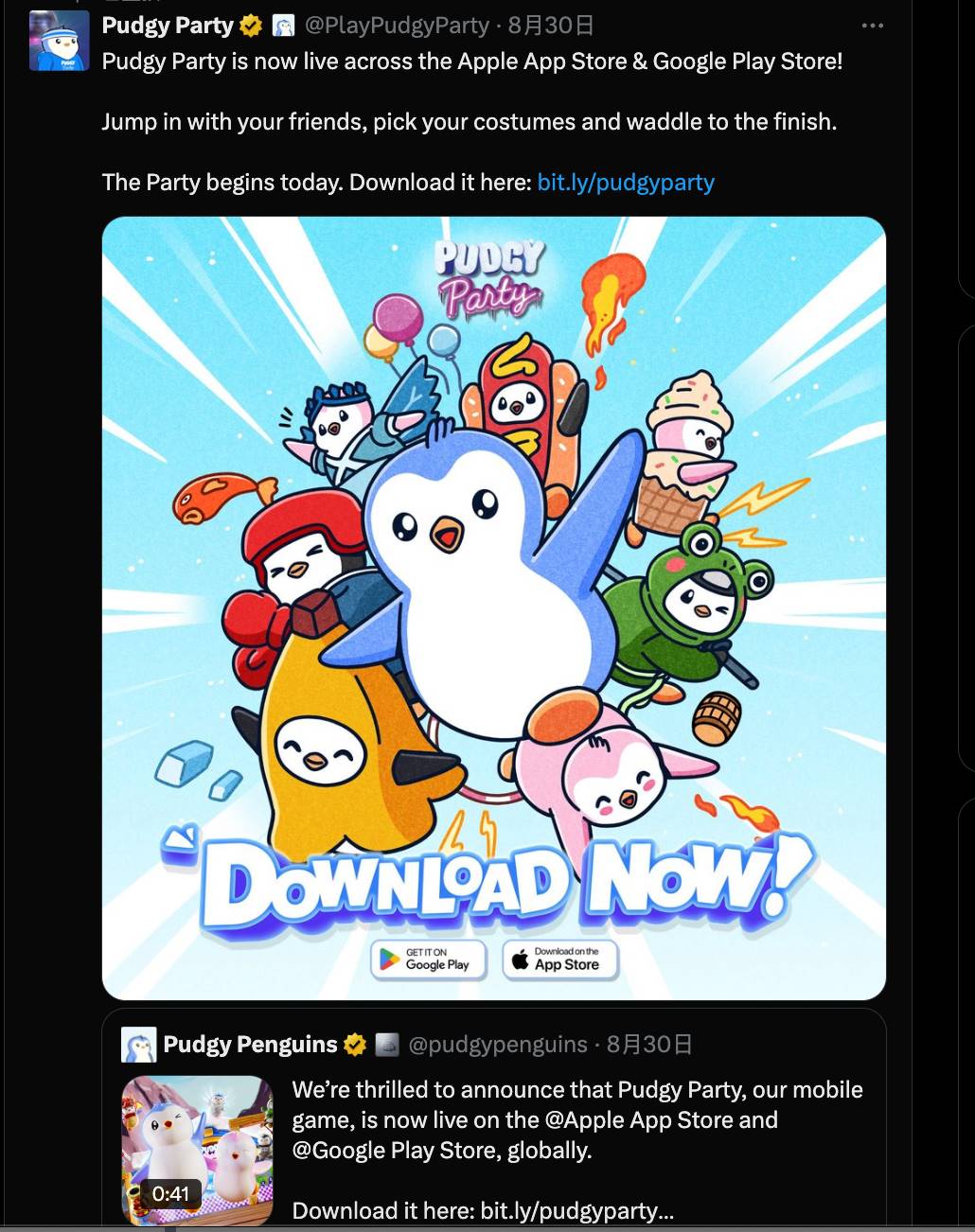
I recently downloaded and tried the game myself, and found it vastly different from last cycle’s blockchain games that deliberately emphasized the integration of crypto and gaming:
Pudgy Party has no wallet connection, no NFT marketplace, no on-chain token rewards—nothing at all. It's just an ordinary mobile party game, indistinguishable from any casual game you might randomly download from the App Store.
What's more interesting is that the game is actually fun.
If you’ve played Fall Guys, you’ll immediately smile upon entering the game interface—a multiplayer elimination race where players compete through wacky obstacle courses. Light, relaxing, with zero “play-to-earn” vibes, so pure it doesn’t even smell like crypto.
An NFT project releasing a game that doesn’t mention NFTs at all. After playing it for a while, I wanted to share thoughts on this "not-so-Web3" Web3 game.
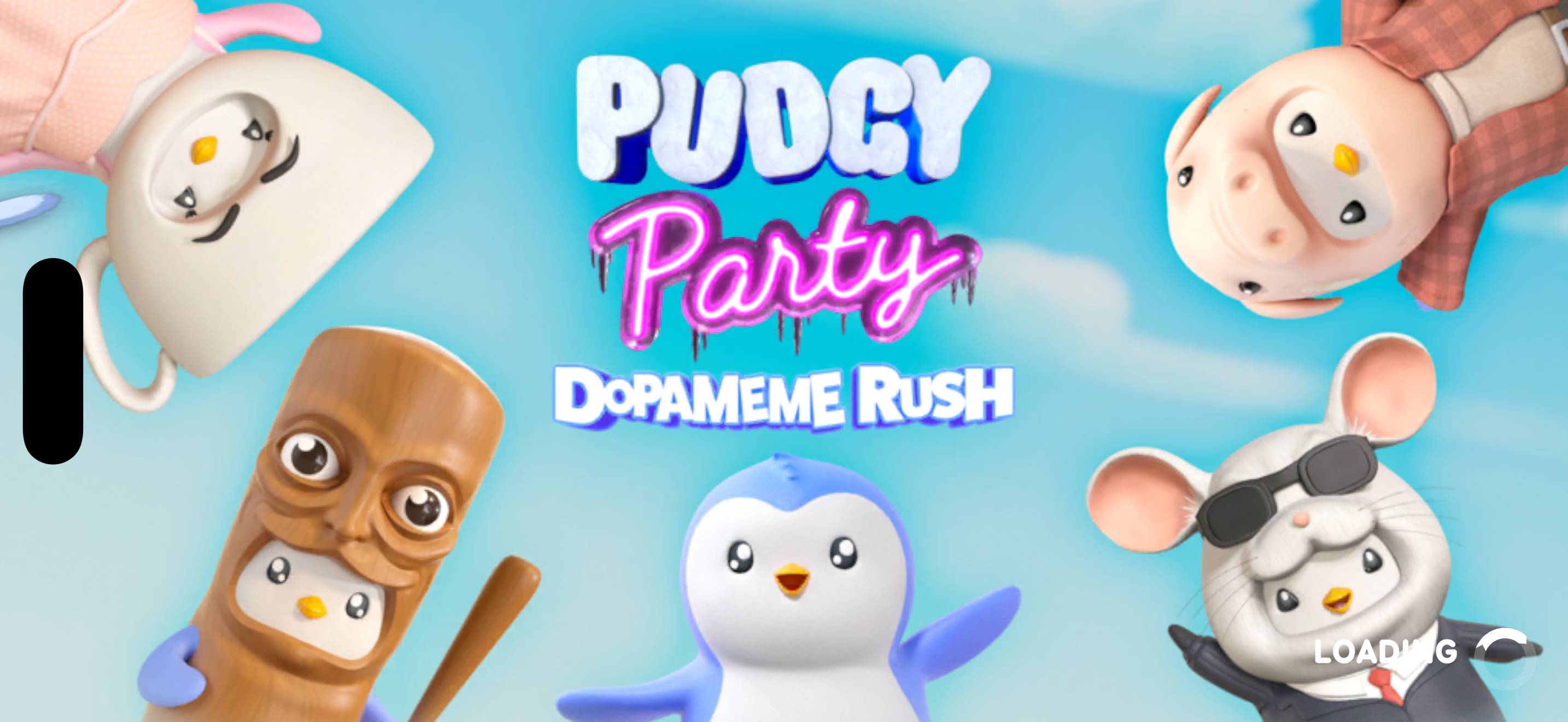
No chain, just game
Opening Pudgy Party, my first thought was: where’s the wallet connection? Nowhere to be found.
How about an NFT marketplace? Doesn’t exist. Token reward system? Also absent.
Compare this to Axie Infinity—the flagship blockchain game of the last cycle—where you had to buy three NFT pets just to start playing. StepN required NFT shoes. Even relatively “light” blockchain games usually featured a prominent “Connect Wallet” button.
If it weren’t for the iconic little penguin characters from Pudgy Penguins appearing in the game, you’d assume this was just another regular party game.
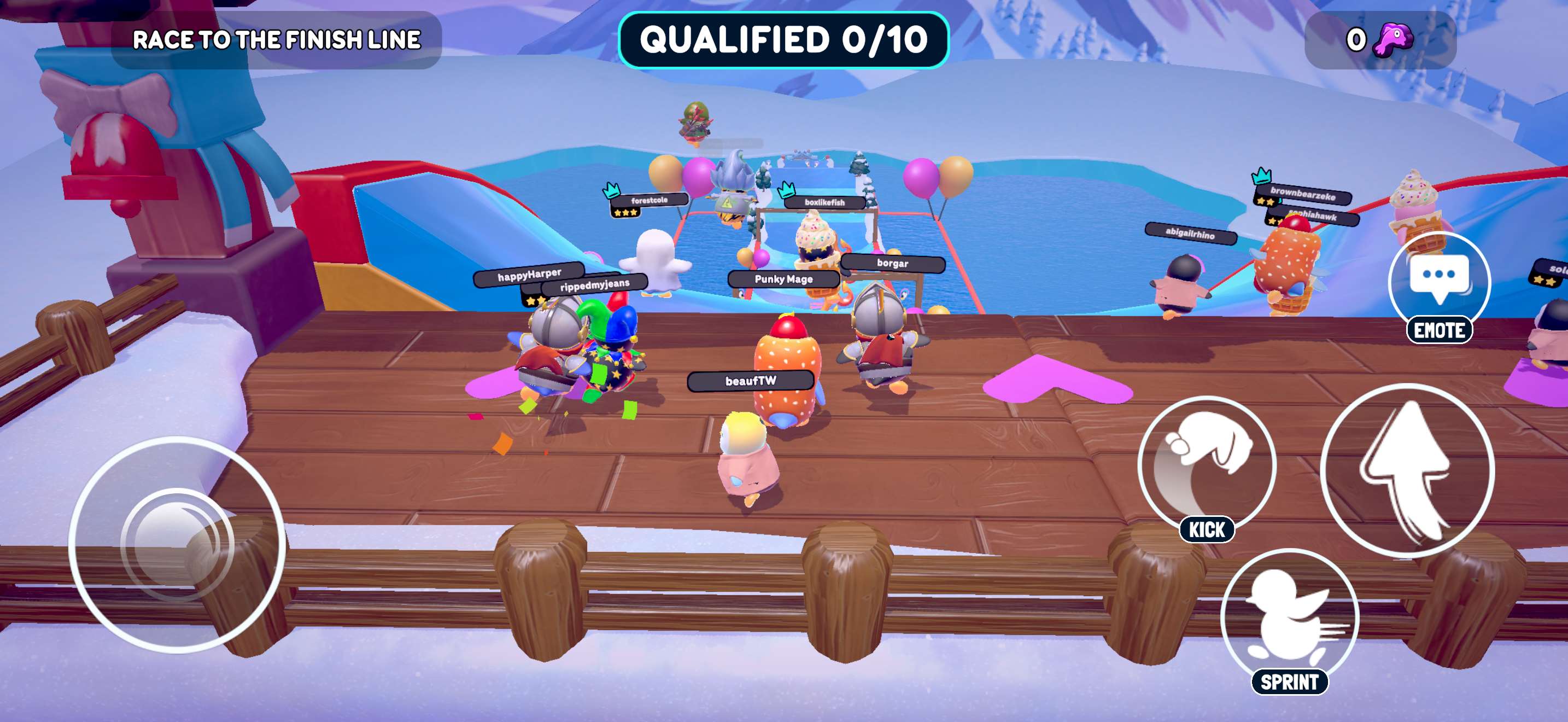
Click “Play,” get matched within seconds, and you’re dropped into the first round with 19 other players. Each player controls a cute little penguin, racing through various bizarre obstacle courses.
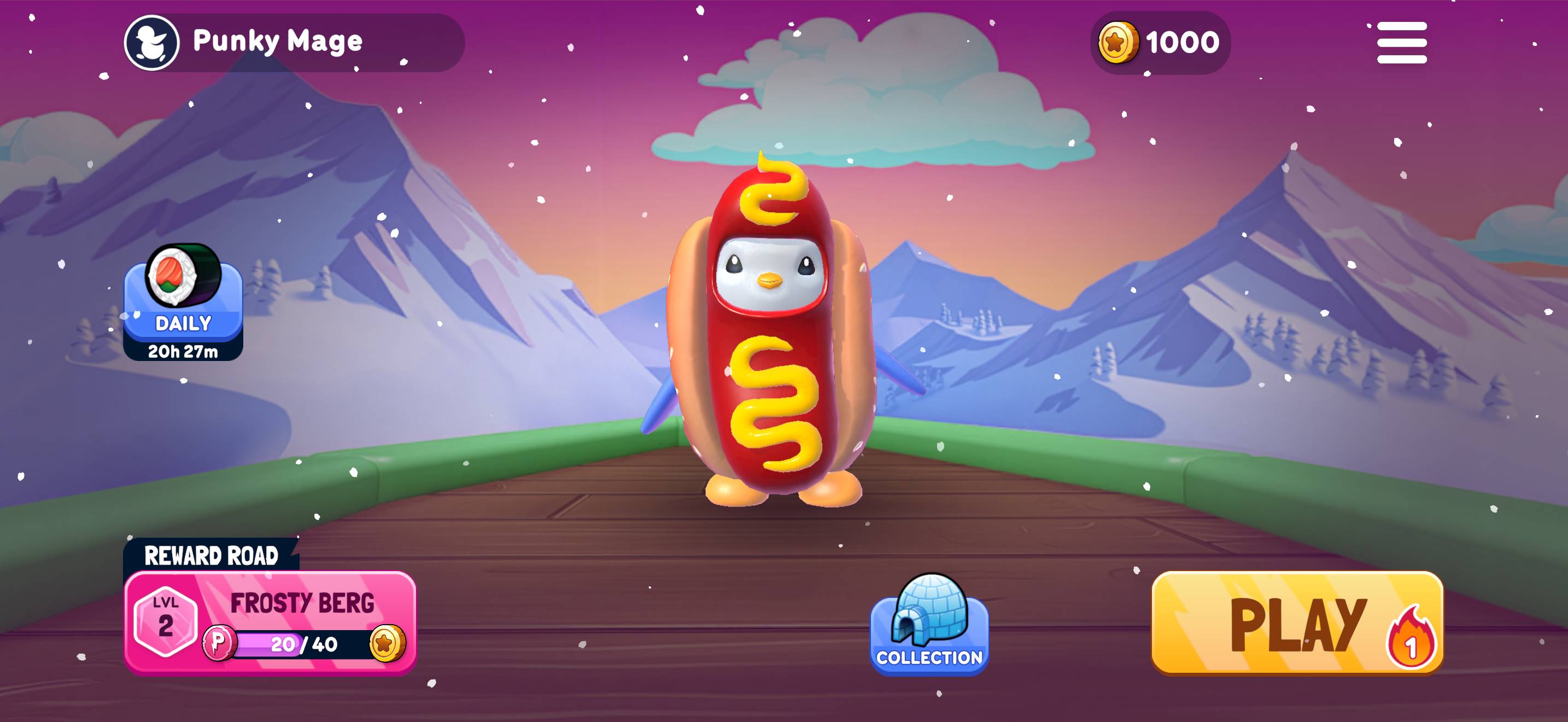
In terms of experience, this is purely a casual game built around the penguin IP.
Take a typical obstacle race level: 20 penguins (i.e., 20 players) sprint down a trap-filled track with spinning hammers, moving platforms, and collapsing floors. Your only goal: don’t fall off, just reach the finish line.
But when 20 penguins crowd together, chaos and comedy ensue—someone gets knocked out by a hammer, others are shoved off narrow bridges, and some fall right before the finish line.
It’s the kind of lightness that feels completely disconnected from the term “blockchain game.”
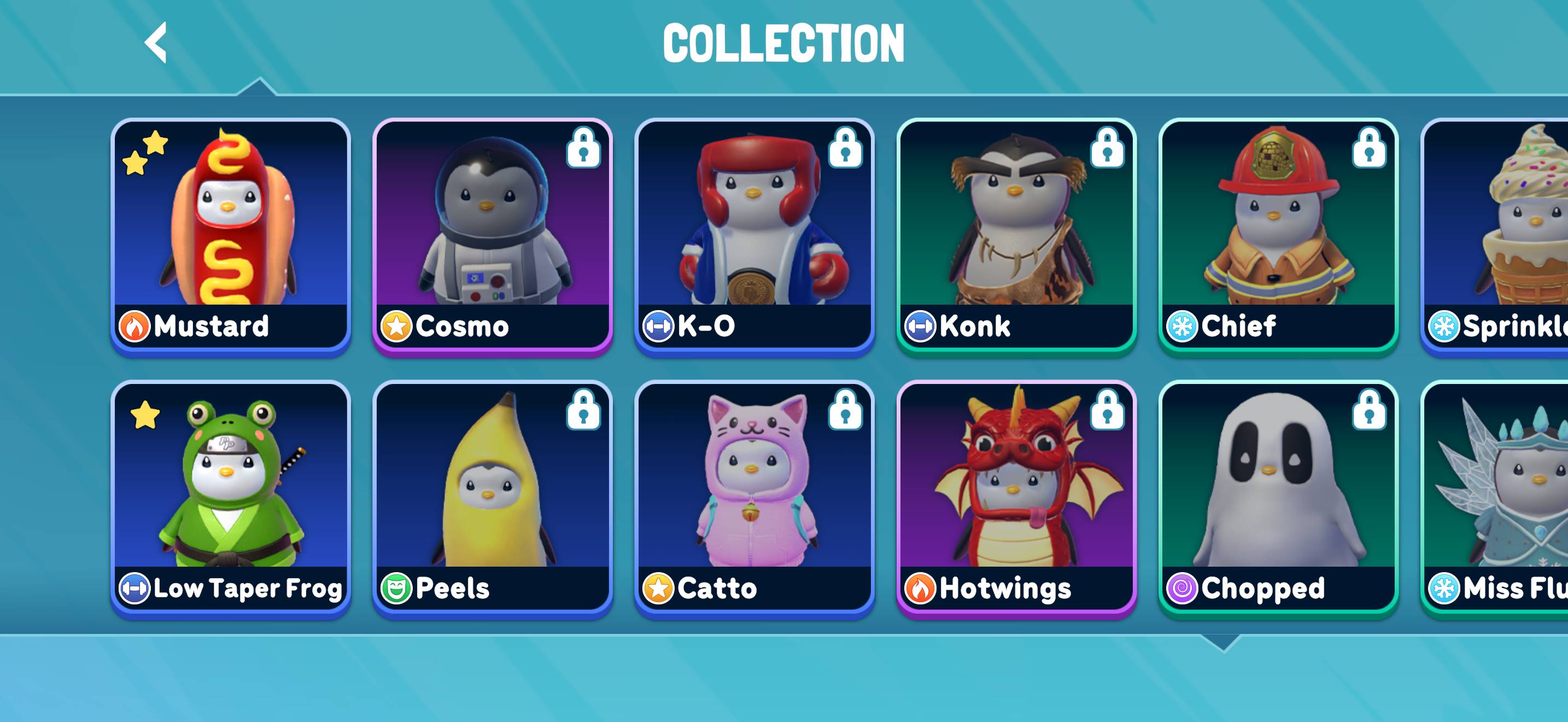
First, no rank pressure. The game does have a leveling system, but it’s purely for unlocking new penguin skins and emotes, with no impact on matchmaking.
Second, you get rewards even if you lose. Even if eliminated in the first round, you still earn experience points and cosmetic fragments. The game even kindly displays “Better luck next time!” along with a comforting penguin emoji.
Third, you can quit anytime. No penalties for leaving mid-game, and there’s no complex progression system or resource investment needed for earning.
I specifically looked for hidden crypto elements, but found none—at least not at the start.
The in-game shop does offer two types of cosmetics: non-tradable ones and limited editions. In theory, limited editions could become NFTs. But here’s the catch: there’s no visible option to mint or trade them.
Yet according to developer Mythical Games, the game does include Web3 elements:
First, each player automatically gets a wallet based on Mythos Chain (a Polkadot ecosystem chain). But this wallet runs entirely in the background—you can’t see the address, private key, or recovery phrase. You don’t even know if it truly exists.
Then there’s the PENGU token. Officials say they’re “exploring integration options,” but there’s no trace of tokens in the game—no staking, no rewards, no spending.
In short, all Web3 features remain purely theoretical or extremely restrained in design. This de-Web3 approach appears to be intentional.
Adults, times have changed
Timing-wise, Pudgy Party launched during a period of narrative reset in the crypto market.
The GameFi narrative has cooled. Play-to-Earn models have proven unsustainable. The hype around blockchain games and NFTs has faded, met now with jokes like “not even a dog would play.”
More importantly, Apple and Google still impose strict limitations on apps featuring NFT trading. There have been reports that major app stores demand 30% commissions on all NFT transactions—an almost fatal blow to Web3 games.
From an audience perspective, Pudgy Penguins clearly aims to reach a broader user base. There are over 3 billion mobile gamers worldwide, while active on-chain users number less than 100 million. Setting a Web3 barrier upfront would instantly exclude 99% of potential users.
From a product strategy standpoint, this resembles a “Trojan horse” approach.
Use a fun, free game to attract users, build a user base and habits first, then gradually introduce Web3 elements later. Once users are emotionally invested in the game and IP, adoption of wallets and NFTs becomes much easier.
Many blockchain game projects in the previous cycle eventually adopted similar strategies, but few sustained it long-term. The key difference here may be that Pudgy Penguins has a stronger IP appeal, making this model more likely to succeed.
This creates an interesting paradox: the most successful product from a Web3 project might be the one that feels the least Web3.
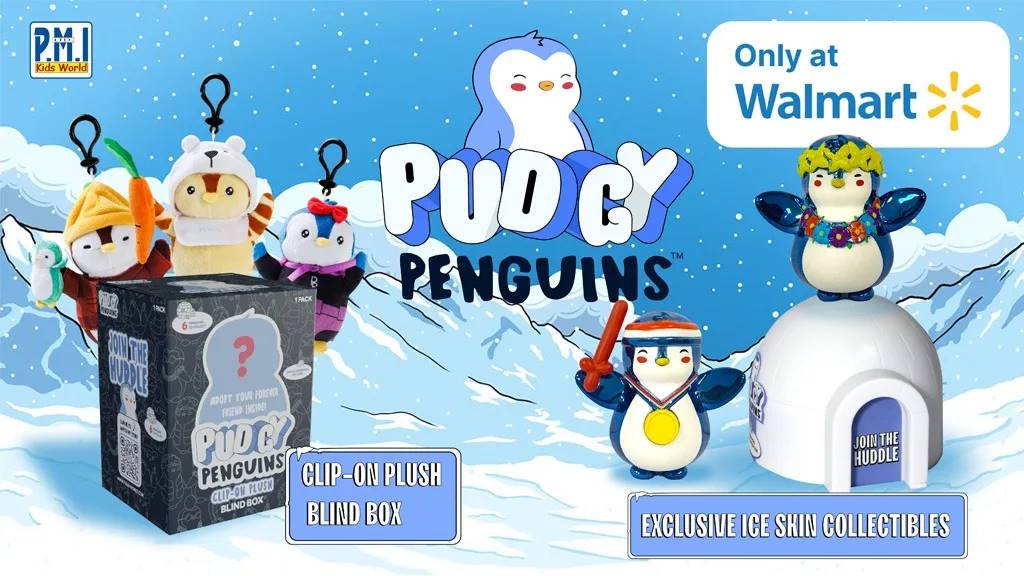
When Pudgy Penguins plush toys sell out at Walmart, buyers don’t need to understand NFTs; when penguin memes go viral on social media, users don’t need to connect a wallet.
When Web3 stops talking about Web3
The launch of Pudgy Party may mark a turning point in how NFT projects evolve.
Previously, the logic went: I have an NFT → holders need more utility → let’s make a game → and maybe launch a token. This was an inward-facing loop, serving only the existing few thousand holders.
Pudgy Penguins flipped it: make a fun game → attract millions of users → some might buy toys → a tiny fraction might buy NFTs. This is an outward funnel targeting mainstream mobile gamers.
Relying solely on token incentives and speculation isn’t sustainable. Real value must return to product quality and user experience.
A more intriguing observation is that Pudgy Penguins seems to treat Web3 elements as an “advanced option”:
-
Regular users: play the free game, buy a $10 plush toy
-
Intermediate users: collect limited-edition cosmetics, join community events
-
Core users: buy NFTs, hold PENGU tokens
It’s reminiscent of the internet’s “freemium” model—use a free product to attract massive users, then convert a portion into paying customers.
Except here, “paying” means “going on-chain.”
If this model succeeds, it means some Web3 projects have found a sustainable business path—not dependent on bull markets or new speculators, but earning revenue like regular companies through products and IP.
But what about the token?
This is the biggest controversy with the Pudgy model: if success is possible without tokens, where does token value come from?
Currently, PENGU resembles stock in the Pudgy ecosystem—you’re betting the IP will grow bigger, not because the token has practical utility.
But viewed differently, Disney stock doesn’t let you enter Disneyland for free, yet it’s still a high-quality asset. What matters is whether the company keeps creating value, not whether the stock itself grants perks.
Of course, the analogy isn’t perfect.
Stocks come with dividends and voting rights. PENGU currently offers neither. This is a challenge the team must address: how to provide real benefits to token holders without compromising the user experience.
If the last cycle’s slogan was “Everything on chain,” this cycle might be “Chain as backend”—blockchain moves behind the scenes, becoming infrastructure rather than a selling point.
Pudgy Penguins may have accidentally provided a working example: instead of turning everyone into crypto natives, make crypto invisible to ordinary people.
Whether this model will succeed, or be replicable by others, is still too early to tell.
But at the very least, Pudgy Penguins presents a different possibility:
In an era where everyone shouts “Web3,” the most successful might be the one that never says it.
Join TechFlow official community to stay tuned
Telegram:https://t.me/TechFlowDaily
X (Twitter):https://x.com/TechFlowPost
X (Twitter) EN:https://x.com/BlockFlow_News
 深潮TechFlow