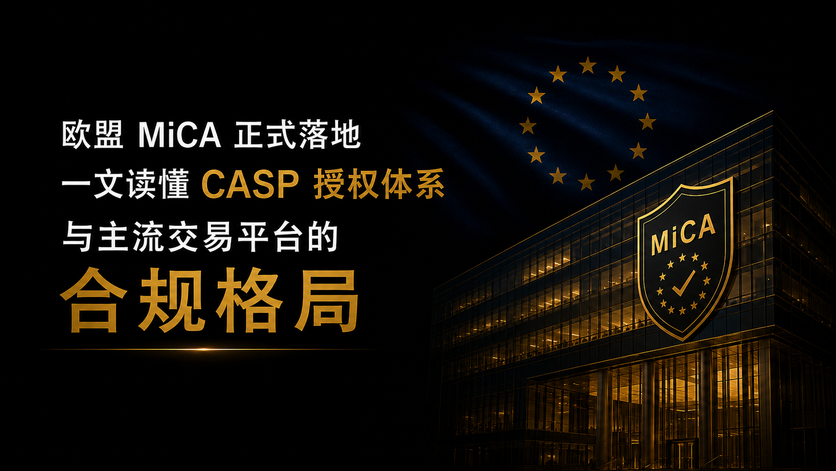
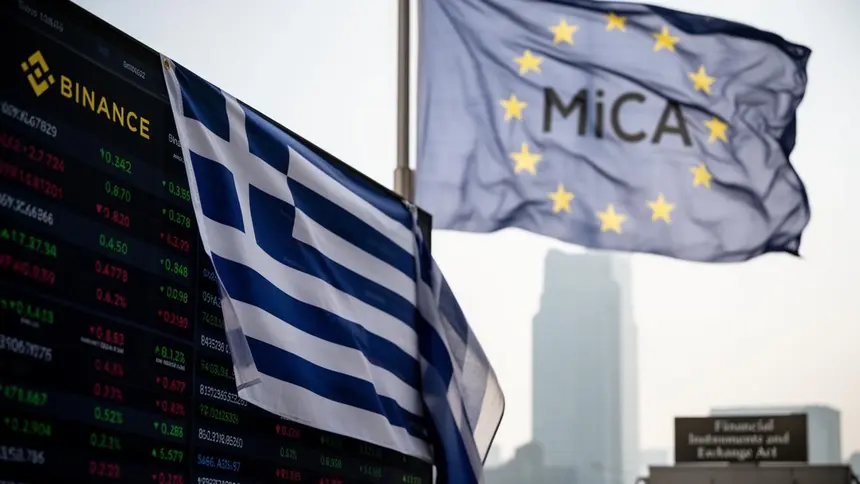
Opinion: MiCA brings regulatory clarity, but restrictions on stablecoins should be appropriately relaxed
TechFlow Selected TechFlow Selected
Opinion: MiCA brings regulatory clarity, but restrictions on stablecoins should be appropriately relaxed
MiCA is definitely a step in the right direction, but restrictions on stablecoin issuance and trading need adjustment.
 Navigating Web3 tides with focused insights
Author: Jason Allegrante, Chief Legal and Compliance Officer at Fireblocks
Translation: Felix, PANews
Recently, the stablecoin provisions of the European Union’s Markets in Crypto-Assets (MiCA) regulation took effect on June 30, with other rules expected to come into force by December. MiCA prohibits stablecoins from processing more than one million payment transactions per day or exceeding a daily transaction volume of 200 million euros (approximately $215 million). In response, Jason Allegrante, Chief Legal and Compliance Officer at Fireblocks, published an article criticizing these restrictions, arguing that the EU should instead create fertile ground for stablecoins to thrive. Below is the full text:
The implementation of MiCA in the European Union marks a significant milestone for the development of the crypto industry.
With MiCA being rolled out in phases this summer, the EU has brought crypto market participants under regulatory oversight for the first time. While uncertainties and challenges remain ahead, there is hope that MiCA will become an important step toward promoting long-term market stability, strengthening user protection, and creating a more attractive investment environment for entrepreneurs.
The drafters of MiCA got many things right. One example is their recognition that certain activities within the crypto ecosystem—such as decentralized smart contracts and NFTs—do not fully align with existing European financial regulatory frameworks like MiFID, and thus were appropriately excluded from MiCA's scope. There may also be an understanding that regulators will develop further rules specifically for these areas.
But does it make sense to impose similarly strict limitations on stablecoins—or so-called "e-money tokens"?
Under MiCA, certain dollar-pegged e-money tokens—including USDT, USDC, and BUSD—are subject to restrictions on issuance and trading. According to EU rules, these instruments (along with certain others) face a daily cap of one million transactions or a transaction value limit of 200 million euros.
These caps are not only too small to support current market activity but could also severely disrupt the normal functioning of the crypto ecosystem.
Stablecoins currently have a total market capitalization of approximately $162 billion, with USDT, USDC, and BUSD collectively accounting for about 75%. The share held in Europe already exceeds MiCA’s thresholds, meaning that once enforced, immediate action would be required to restrict stablecoin usage across the region.
This matters because stablecoins have become essential to enabling many critical use cases—especially non-speculative ones.
Crucially, stablecoins serve as a bridge between traditional finance and digital assets. As reliable stores of value for investors, they offer a safe haven away from highly volatile assets—contrary to the popular image of crypto as a "gambling den."
Stablecoins have proven vital for cross-border payments, protecting individuals facing hyperinflation or currency devaluation. They are also frequently used in interactions with smart contracts and form a core component of lending and yield-generating systems.
Restricting such a dynamic part of the digital asset ecosystem risks undermining one of the EU’s own regulatory goals: fostering a vibrant and innovative industry within Europe.
Compared to jurisdictions that have not implemented similar measures, these e-money restrictions could place Europe at a competitive disadvantage. While the limits may aim to protect the euro and mitigate potential systemic risks from widespread stablecoin adoption, overregulation will stifle innovation and growth, creating significant disadvantages for both EU-based stablecoin issuers and users.
For these reasons, European authorities must reconsider the e-money token restrictions.
Given that the European Securities and Markets Authority (ESMA), the European Banking Authority (EBA), and other European regulators are involved in developing secondary rules and technical standards, there remains room for adjustments to MiCA. For instance, regulators could adopt a more nuanced tiered approach, adjusting limits based on the size and maturity of the issuer.
Whatever approach is taken, it should improve the current situation and foster a better balance between market needs and regulatory oversight.
As the author has noted elsewhere, stablecoins are among the “mass adoption weapons” of the digital asset industry. Products and services like ETFs and stablecoins can enter consumers’ lives and deliver positive blockchain experiences with minimal barriers to entry. Stablecoins meet this criterion in multiple ways. As regulated products offered through institutions, they serve as gateways for banks and other financial issuers. In consumer applications, they are ideal tools for Web3 commerce and smart contract interactions—often seamlessly integrated into gaming or other digital environments.
While stablecoins benefit consumers, they also touch on broader issues such as monetary policy, sovereign debt issuance, and global soft power competition. It is right for European regulators to proceed cautiously—but not at the expense of sacrificing a key technological pillar of the entire crypto ecosystem. If the digital asset market is to flourish under MiCA in Europe, stablecoins must be allowed to thrive.
Join TechFlow official community to stay tuned
Telegram:https://t.me/TechFlowDaily
X (Twitter):https://x.com/TechFlowPost
X (Twitter) EN:https://x.com/BlockFlow_News
 Blockworks