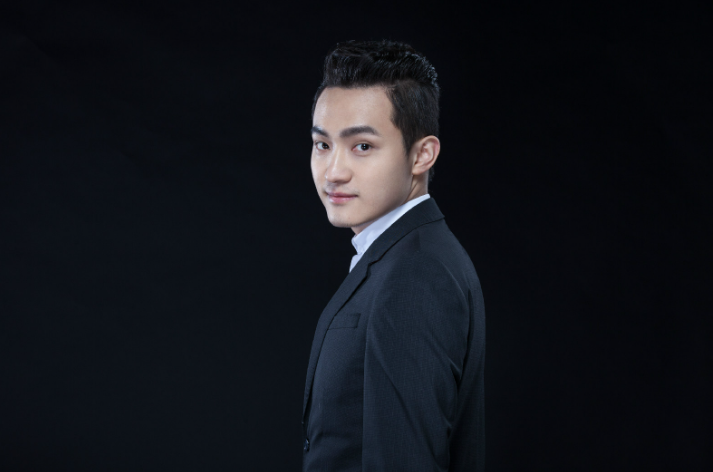
Al Jazeera: The new generation of tech titans, including Justin Sun, officially emerges in the era of artificial intelligence and cryptocurrency
TechFlow Selected TechFlow Selected
Al Jazeera: The new generation of tech titans, including Justin Sun, officially emerges in the era of artificial intelligence and cryptocurrency
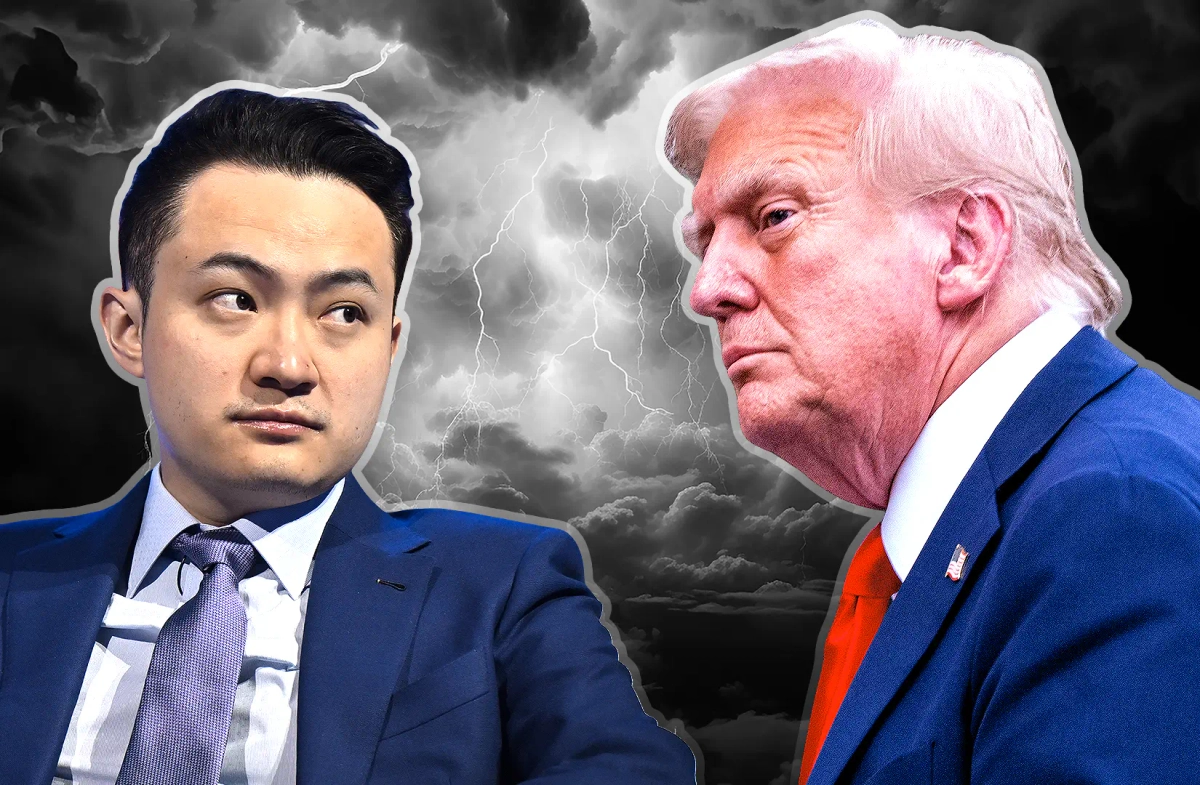
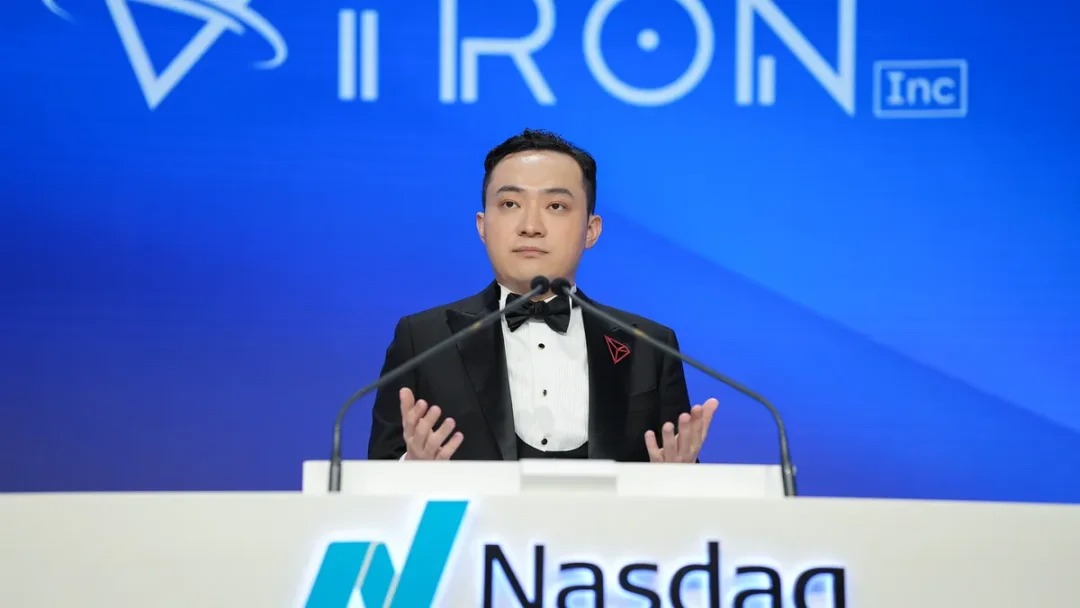
In the era of artificial intelligence and cryptocurrency, a new generation of tech business leaders, represented by Sun Yuchen, founder of TRON, is stepping into the spotlight.
 Navigating Web3 tides with focused insights
On April 5 local time, Al Jazeera, the most influential Arabic media outlet globally, published a report titled "The Age of Artificial Intelligence and Crypto Is Coming: China's Tech Elders Step Down as Fresh Blood Takes Center Stage." The article states that the influence of veteran business leaders from tech giants such as Alibaba, Baidu, and Tencent is waning. In the era of artificial intelligence and cryptocurrency, a new generation of technology entrepreneurs, represented by Justin Sun, founder of TRON, are stepping into the spotlight.
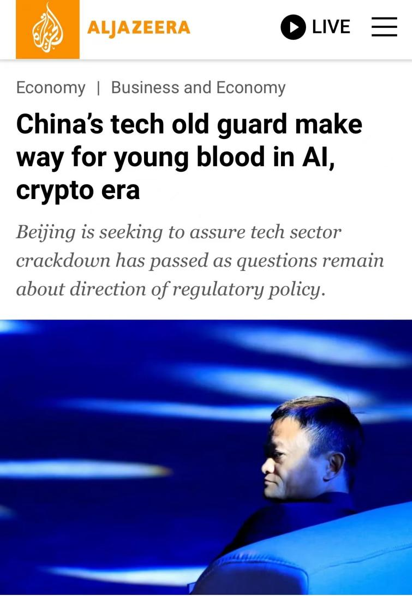
Al Jazeera notes that in this new phase of China’s economic development, industrial priorities have shifted. Sectors with strategic national importance—such as semiconductors, artificial intelligence, and advanced manufacturing—are set to gain greater room for growth. Citing Justin Sun, the report highlights a key difference between his generation of entrepreneurs and that of Jack Ma: while the latter achieved success in e-commerce, real estate, and finance, Sun and his peers are focusing on emerging fields like AI learning and cryptocurrencies. According to Sun, these nascent industries hold far greater growth potential compared to the mature traditional sectors favored by Ma’s generation.
"Competition in traditional industries like real estate and e-commerce has nearly saturated, and their future growth space has reached its limit," said Sun. "But blockchain and artificial intelligence have limitless potential."
The article also mentions that the U.S. Securities and Exchange Commission (SEC) recently announced lawsuits against Justin Sun and three affiliated companies. In response, Sun called the allegations "legally unfounded" and emphasized that the SEC’s regulatory framework for cryptocurrencies remains incomplete and in need of improvement.
Below is an excerpt from the report:
The Age of Artificial Intelligence and Crypto Is Coming: China's Tech Elders Step Down as Fresh Blood Takes Center Stage
One of the most valuable lessons Justin Sun learned from his mentor Jack Ma was how to rapidly scale up a company and manage a growing team through shared values.
Justin Sun, founder of the global cryptocurrency network TRON, told Al Jazeera in a recent interview that he has drawn extensive experience from Alibaba and its founder Jack Ma regarding business restructuring.
The 32-year-old Sun and 58-year-old Ma represent two distinct generations of Chinese entrepreneurs, both of whom have navigated turbulent regulatory waters over the past few years.
When China’s economic growth relied heavily on entrepreneurial momentum, Ma stood out as a leading figure. However, in November 2020, Ant Group, Ma’s fintech arm, abruptly canceled its planned $37 billion IPO—one that would have been the largest in history—marking the beginning of a sweeping government crackdown on platform economies. A series of new regulations followed, covering areas ranging from fundraising to cybersecurity.
Sun first met Ma at Hupan University, a private school founded by Ma in Hangzhou. In 2017, Sun’s company conducted an initial coin offering (ICO), raising $70 million.
Guo Shuqing, Party Secretary of the People's Bank of China and Chairman of the China Banking and Insurance Regulatory Commission, said in January this year that the special rectification of internet platform enterprises has "basically" been completed, and platform firms will now be encouraged to "play a prominent role in leading development, creating jobs, and international competition."
Almost simultaneously, with approval from Chinese regulators, ride-hailing giant Didi reappeared on mobile app stores after a 19-month regulatory review. During this period, Didi paid a $1.2 billion fine and delisted from the New York Stock Exchange just six months after its listing.
Questions remain unanswered: How is entrepreneurial confidence recovering? And how will young newcomers reshape the tech industry? Moreover, it is still unclear whether this regulatory storm has truly ended.
Sun declined to comment on the Chinese government’s rectification campaign or share direct expectations about regulatory policies. Like an increasing number of Chinese entrepreneurs, he has chosen to run his company from Singapore.
"I've always wanted to be a global citizen," said Sun, who previously served as Grenada’s Permanent Representative and Ambassador to the World Trade Organization.
"That’s why I’ve visited 100 countries over the past decade. I firmly believe the key to cryptocurrency’s success lies in going global."
Sun believes the biggest difference between his generation and that of Jack Ma lies in their focus areas: while Ma succeeded in e-commerce, real estate, and finance, Sun and his peers are turning their attention to emerging industries such as artificial intelligence and cryptocurrencies. In Sun’s view, these new frontiers offer far greater growth potential than the mature traditional sectors pursued by Ma’s generation.
"Competition in traditional industries like real estate and e-commerce has nearly saturated, and their future growth space has reached its limit," he said. "But blockchain and artificial intelligence have unlimited potential."
Last week, the U.S. Securities and Exchange Commission (SEC) announced lawsuits against Justin Sun and three related companies, accusing him of fraud and market manipulation. Eight celebrities—including actress Lindsay Lohan and rapper Akon—were charged with failing to disclose they were paid to promote TRON-related cryptocurrencies.
In response to the controversy surrounding the case, TRON’s official account shared a tweet from Sun himself, in which the crypto entrepreneur stated the allegations were "legally unfounded" and stressed that the SEC’s regulatory framework for cryptocurrencies still requires significant refinement.
China’s economy grew only 3% last year. The government has since issued a series of positive signals aimed at revitalizing the economy.
At last week’s China Development Forum, Premier Li Qiang reassured top foreign executives—including Apple CEO Tim Cook—that China will further open its markets, offering them much-needed confidence.
On the same day, Jack Ma appeared in Hangzhou, a city in eastern China, visiting a school he co-founded and delivering a speech on the significance of artificial intelligence. Reports indicate that Ma has been living in Japan since last year.
Kaman Lucero, a researcher at Yale University’s Paul Tsai China Center, believes the influence of veteran business leaders from tech giants like Alibaba, Baidu, and Tencent may have already faded—if not entirely, then significantly diminished compared to the past. The culture these leaders built under deep Silicon Valley influence is also waning.
"The key question is what will replace the influence and culture of these old tech giants, and can this transition unfold as the new generation hopes?" Lucero pointed out.
While some experts and business figures say it's too early to determine the precise direction of China’s post-regulation tech landscape, the government has already provided some clues.
Against the backdrop of intensifying U.S.-China rivalry, the Chinese government has repeatedly signaled its desire for companies to focus on strategically vital sectors such as semiconductors, artificial intelligence, and advanced manufacturing.
At last month’s Two Sessions, Tencent founder Pony Ma was absent from the delegate list. Search engine giant Baidu’s CEO Robin Li, NetEase founder Ding Lei, and Sogou executive Wang Xiaochuan were also excluded from the roster of senior government advisors.
Instead, this year’s list features numerous representatives from AI and semiconductor firms, including Zhang Suxin, chairman of Hua Hong Semiconductor, and Liu Qingfeng, chairman of AI company iFlytek.
Join TechFlow official community to stay tuned
Telegram:https://t.me/TechFlowDaily
X (Twitter):https://x.com/TechFlowPost
X (Twitter) EN:https://x.com/BlockFlow_News
 TRON DAO