The Beacon: The Treasure DAO ecosystem proves that pixel-style web games can still be addictive
TechFlow Selected TechFlow Selected
The Beacon: The Treasure DAO ecosystem proves that pixel-style web games can still be addictive
If you've ever played Soda Dungeon, you won't be unfamiliar with The Beacon.
 Navigating Web3 tides with focused insights
Written by 0xbun, TechFlow
The Beacon is a pixel-art Roguelike game built on Arbitrum and backed by Treasure DAO. Initially, I only intended to casually interact with Arbitrum while playing, but before I knew it, I had spent several hours immersed in the game. If you've ever played "Soul Knight," The Beacon will feel instantly familiar. Let's dive into how this seemingly simple web-based game becomes so addictive.
Single-Player PvE
The Beacon offers multiple gameplay modes: single-player PvE, multiplayer PvE, and a housing system.
In the current version, multiplayer PvE is not yet available.
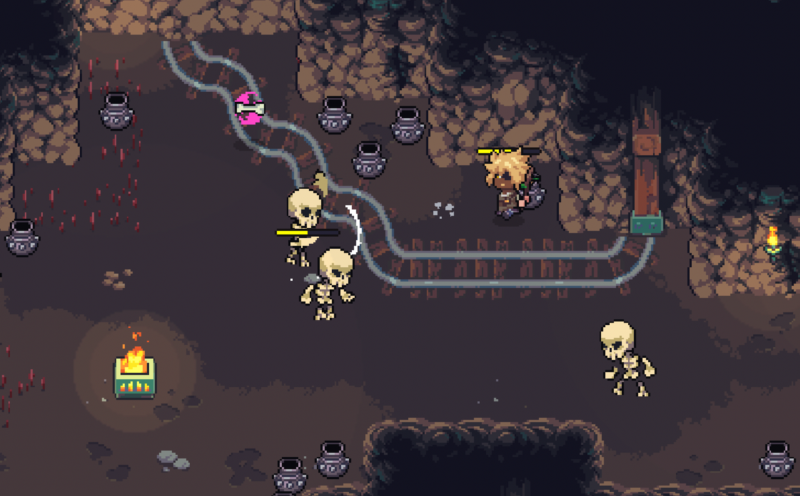
As the name suggests, in single-player mode players enter the dungeon alone, fighting through enemies and striving to survive. Upon completion, players are rewarded with either NFTs or non-NFT items.
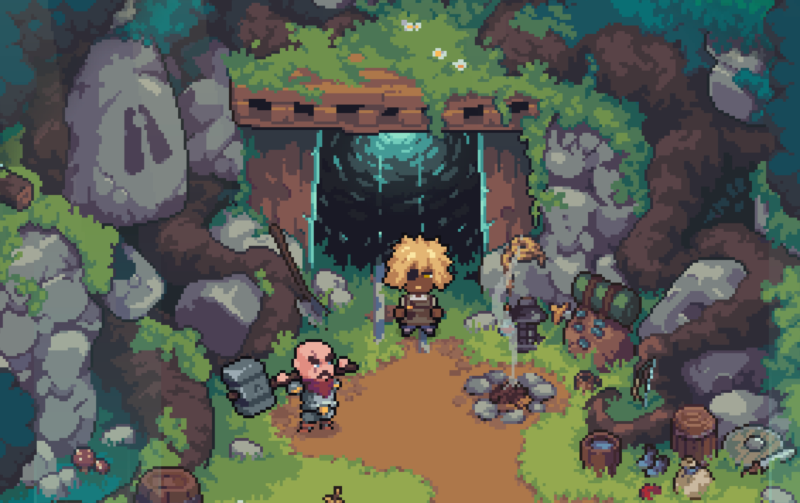
Thanks to the core features of Roguelite games—permanent death and procedurally generated levels—The Beacon presents a certain level of difficulty. On my first day playing, I was stuck on level three for nearly three to four hours. The dungeon design isn't just mindless monster-slaying; sometimes you might even need to look up strategies online (pro tip: not every enemy in a stage needs to be defeated). This challenge brings a strong sense of personal achievement upon success, and the game rewards players with a loot chest. This combination of material and psychological feedback creates a powerful loop of addiction—a feature rarely seen in previous GameFi projects.
Housing System
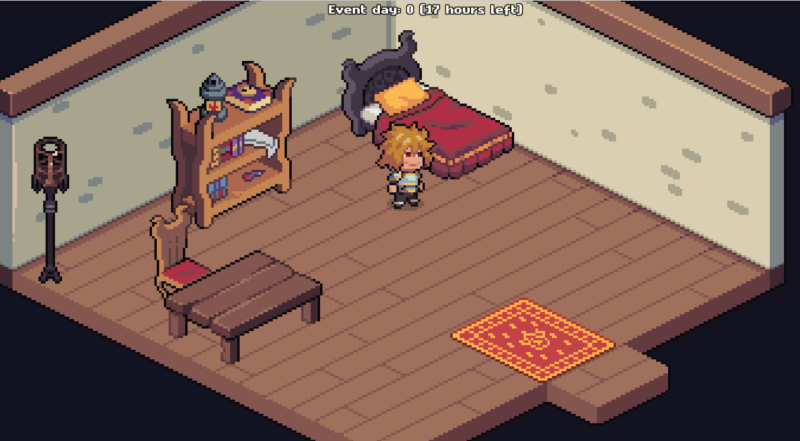
The housing system is essentially a "home decoration" feature, allowing players to collect various decorative items to customize their houses. When you first create your character, the system automatically grants you an empty house. You must keep playing the game (or spend money) to gradually earn decorations, eventually building and sharing your unique space with friends.
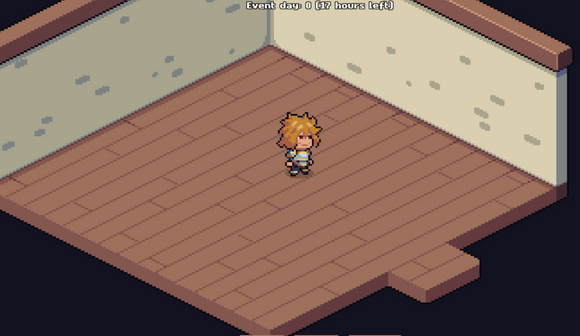
Does this remind you of nostalgic games like "Aobi Island" or "Sai'er Hao"? Yes—and that’s one reason those games succeeded: effective social engagement. By tapping into players’ collecting instincts and competitive pride, such mechanics effectively integrate players into a social ecosystem. Players are motivated to complete in-game trials and tasks to obtain specific decorations, helping the game retain users more effectively.
Easter Egg: The Tavern Quiz
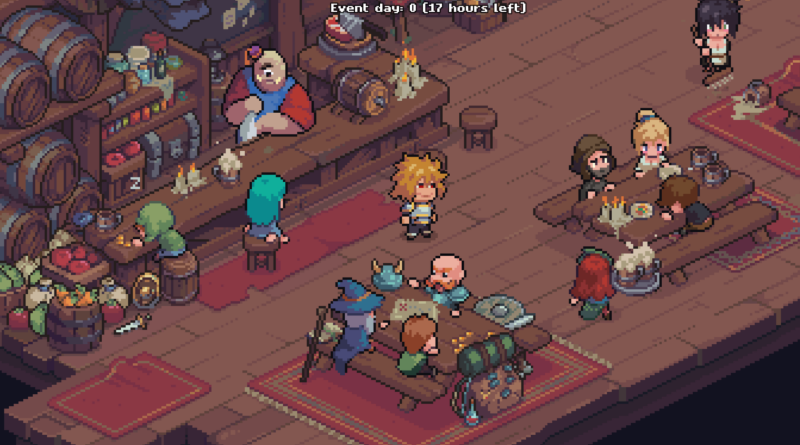
Players can visit Igor daily at the tavern—an old drunkard sitting by the fireplace—to win rewards. Each day, Igor asks a question testing your knowledge of The Beacon. Pay attention to clues from other NPCs too, as they may share different stories and experiences each day.
Players who correctly answer Igor’s questions receive a chest reward. Additionally, the team has hidden a secret clue: the first player to answer correctly each day earns whitelist access to the pet mint event.
Free-to-Play (F2P)
Free-to-play is common among traditional gamers, but less so in GameFi 1.0. To make the game accessible to broader Web3 audiences, The Beacon allows players to experience all basic game modes without minting a paid character. Players can try out the gameplay, participate in dungeon challenges, and upon completion, earn non-NFT character and housing decorations. Active players also qualify for some token incentives.
After experiencing the game, if you find it suits you, you can choose to mint your own character for 0.0321 ETH (approximately $40). A paid character comes with an initial set of character skins, house decorations, and minor perks. Throughout the game, paying players can earn NFT character skins and house decorations—something free players cannot obtain. Paid players also gain access to a dedicated leaderboard, qualifying them for exclusive rewards.
To prevent excessive speculation, characters in The Beacon generally have no rarity tiers and are unlimited in supply, eliminating artificial value inflation. Players can only alter their paid character’s appearance through cosmetic decorations. There is one exception: early characters purchased during the pre-launch phase may carry special attributes, simply to recognize them as early supporters of the game.
Blessed Characters (WL)
Players with Blessed Characters receive all benefits of paid players and, by minting a Generation 0 pet in the upcoming pet mint event, gain early access privileges to new versions of The Beacon.
Unlike regular paid characters, Blessed Characters are limited in number. Players can only obtain this status by minting a Gen 0 pet—only 4,096 of which exist. Each pet has a unique appearance and varying degrees of rarity. Currently, players can earn whitelist spots (WL) for Gen 0 pet mints by actively playing the game.
The reason many past blockchain games failed to attract newcomers was due to high entry barriers and unclear gameplay experiences. Most participants were attracted by earning potential rather than genuine interest in playing. These speculators treated games as mere "mining machines," leading to a destructive cycle of farm-and-dump that undermined sustainable ecosystems. The Beacon changes this model: play first, then decide whether to pay based on actual experience. This marks a shift in blockchain gaming—from pure "earn" models toward prioritizing actual gameplay enjoyment.
The Beacon is not a capital-heavy 3A-grade GameFi title, but rather a simple, straightforward web game—no client download required, just connect your wallet and start playing directly in-browser.
While making a game, The Beacon is also conducting a Web3 social experiment: if The Beacon succeeds, could it suggest that the future of GameFi 2.0 won’t be limited to 3A titles?
Join TechFlow official community to stay tuned
Telegram:https://t.me/TechFlowDaily
X (Twitter):https://x.com/TechFlowPost
X (Twitter) EN:https://x.com/BlockFlow_News