Why ToB/C thinking no longer applies to Web3 marketing strategies?
TechFlow Selected TechFlow Selected
Why ToB/C thinking no longer applies to Web3 marketing strategies?
How should marketing for Web3 be done, and how does it differ in mindset from Web2 marketing?
 Navigating Web3 tides with focused insights
Produced by: WEB3 MKT
Written by: Zolo
How should marketing be done in Web3, and how does it differ from Web2 thinking?
With these questions in mind, I’ve recently read a lot of relevant content. I’d like to gradually share and recommend some valuable articles based on my own perspective, covering topics such as the differences between Web3 and Web2 marketing, why storytelling matters, how to design comprehensive community strategies, and practical suggestions.
First comes strategy, then tactics.
A new way of thinking is that user/customer segmentation in Web3 marketing will no longer be To B or To C.
There's a saying: cognition drives action, and actions are the result of cognition. To avoid mistakes in execution, we must first establish correct understanding.
So when it comes to Web3 marketing, what kind of understanding about users or customers is the right one?
In our conventional mindset, there’s a widespread belief that you should build the product first, then do marketing—and the earlier the stage, the less important marketing seems.
As shown in the image below:
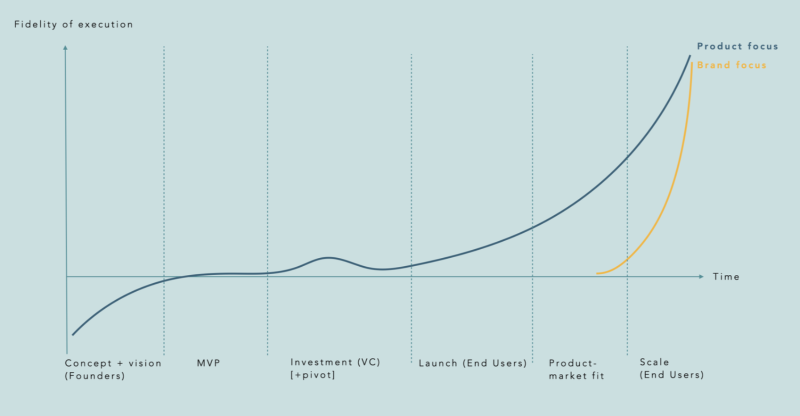
The reason behind this is that Web2 products typically require R&D to come first—build an MVP, achieve PMF (product-market fit), then scale through marketing.
But we need to recognize that in Web3, things have changed.
For example:
Don’t many projects launch their token before even releasing a product?
Before expanding to end-users (C-side), don’t many Web3 products first need to attract other roles such as product validators to grow the network?
These scenarios reveal a fact:
Even before acquiring B-side or C-side users, you must proactively plan marketing strategies targeting other user personas.
As illustrated below:
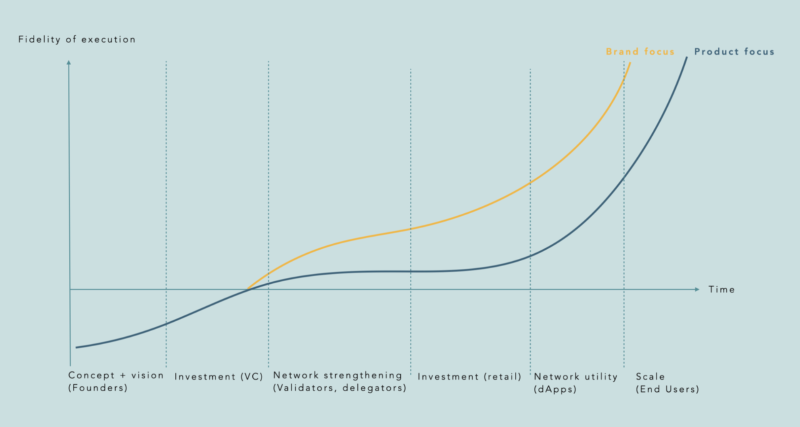
In Web2, we often ask whether your marketing targets ToB (enterprises) or ToC (consumers).
But in Web3, with more participant roles and the early introduction of tokens, the distinction between B and C is fading, shifting instead toward A — To All.
"All" doesn't mean ignoring audience segmentation. Rather, we should stop segmenting solely along the lines of enterprise vs. individual users. A better approach is to differentiate based on various participant roles within the protocol/network, and tailor communication strategies accordingly.
What specific user personas exist within "All"? This is an area requiring ongoing exploration and nuanced consideration depending on the type of product.
For instance, in protocol-based products, users may already become your “investors” or “stakers” even before using the product. Additionally, for network maintenance, you’ll need “node service providers,” “independent validators,” and so on.
For application-layer products, users might also include “co-creators,” “ambassadors/contributors,” etc.
In short, due to user participation happening before product launch, rethinking user segmentation and marketing strategy is crucial.
Within these new role dynamics, we can further explore why storytelling has become so important.
Why is storytelling so critical in Web3 marketing?
From the above discussion, it’s clear that in most cases, you face this reality:
You need to start marketing before the product is launched—before you even have product users.
It is precisely because of the absence of a tangible product that storytelling becomes even more vital.
Without a product, what attracts people to join your community and co-create?
Without users, what motivates people to help maintain your network?
The answer is storytelling.
We need compelling stories to attract all types of participants.
What makes a good story? See the diagram below:
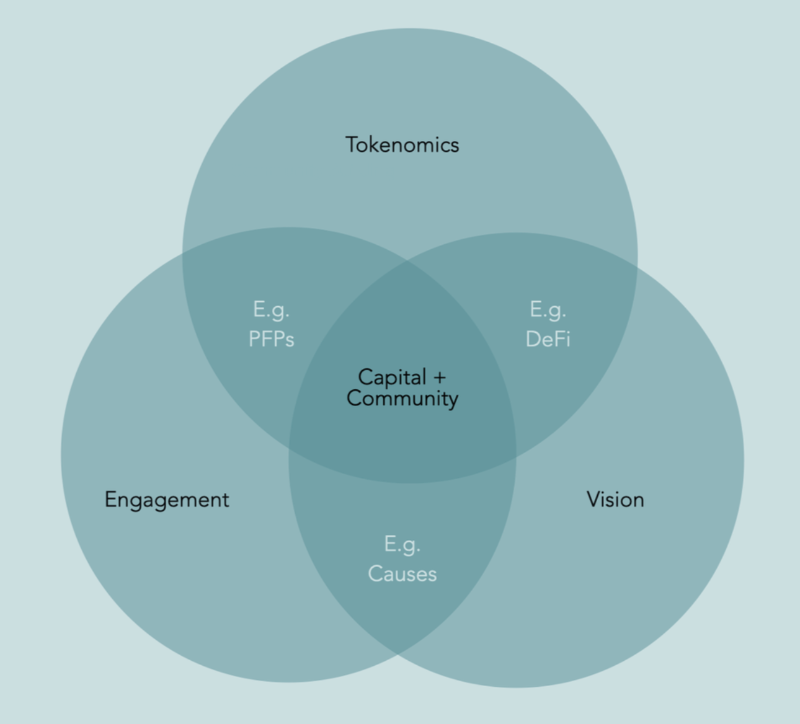
The diagram identifies three key elements. For example, Vision + Economic Model/Return Expectations resembles the current narrative pattern seen in DeFi.
Ideal storytelling integrates vision, economic model/expectations, and community engagement, creating a powerful combined narrative of capital and community.
In practice, use engaging narratives—not just charts or numbers—to explain what you’re building, your ambitious vision, the change you aim to bring to the world, where you stand on the roadmap, and how each step contributes to achieving that grand future…
Stay tuned for more insights on effective storytelling in the Web3 world.
About WEB3 MKT
WEB3 MKT is a Web3 growth strategy study group initiated by TechFlow, aiming to dissect real-world cases, research Web3 marketing and growth strategies, and transform insights into actionable practices that help projects achieve greater success in global markets.
We welcome everyone interested in exploring Web3 marketing and growth to join us. Contact WeChat: zolohands to connect and share.
Join TechFlow official community to stay tuned
Telegram:https://t.me/TechFlowDaily
X (Twitter):https://x.com/TechFlowPost
X (Twitter) EN:https://x.com/BlockFlow_News